Elon Musk Unveils Tesla’s Flying Car Concept, Igniting Global Debate Over the Future of Mobility
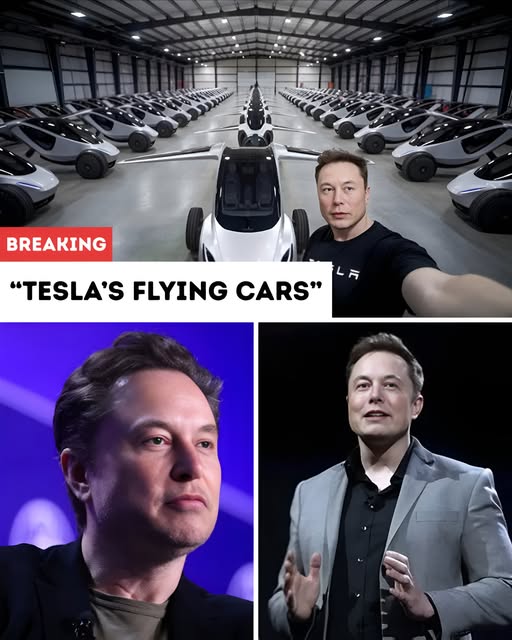
In a move that has reignited global fascination with next-generation transportation, Elon Musk has announced the launch of what he describes as Tesla’s first flying car platform. The development, tied to Tesla, Inc., is being framed as a major step toward redefining how people move within and between cities.
For years, speculation has surrounded whether Tesla would expand beyond electric road vehicles into vertical mobility. Musk has previously spoken cautiously about urban air transport, citing challenges related to safety, noise, energy efficiency, and regulatory approval. However, the latest announcement suggests the company is now ready to present a tangible product concept to the public.
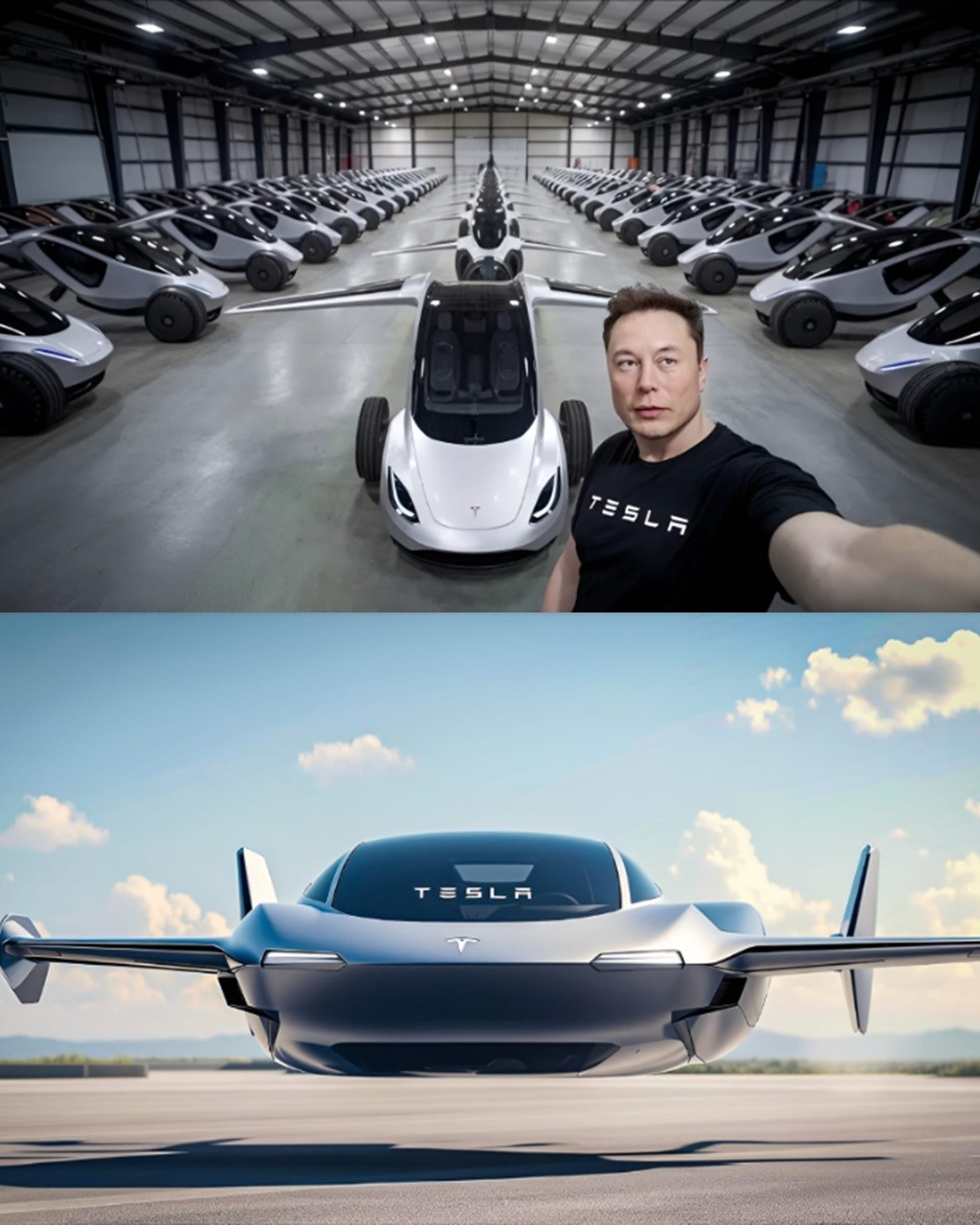
According to preliminary statements, the flying vehicle integrates electric propulsion systems with vertical takeoff and landing capabilities. The design reportedly focuses on short-distance urban travel, aiming to reduce congestion in densely populated areas. While full technical specifications have not yet been publicly detailed, the concept is said to leverage Tesla’s advancements in battery density, lightweight materials, and autonomous navigation software.
Aviation and automotive analysts are closely examining the feasibility of such a product entering widespread consumer use. Urban air mobility has long been explored by aerospace startups and established manufacturers alike, but scaling production while meeting aviation safety standards remains a complex challenge. Regulatory frameworks, air traffic management systems, pilot certification requirements, and infrastructure development would all play critical roles in determining how quickly flying vehicles could integrate into daily life.
Market reaction has been swift. Investors and technology commentators describe the announcement as either a transformative milestone or an ambitious demonstration of long-term vision. The transportation sector has already undergone significant disruption through electric vehicles, autonomous driving research, and shared mobility platforms. Introducing a commercially available flying car would represent another dramatic shift.
Still, industry experts emphasize that commercialization timelines often extend beyond initial announcements. Prototypes, certification processes, and phased rollouts are typical in aerospace-related ventures. Without independently verified production schedules or regulatory approvals, it remains unclear how soon consumers might realistically access such vehicles.
Musk’s declaration that “the future of mobility starts today” reflects a broader narrative that has defined his leadership style: positioning bold technological leaps as imminent realities. Whether Tesla’s flying car becomes a practical mode of transport in the near term or remains an aspirational symbol of innovation will depend on engineering execution and regulatory collaboration.
What is certain is that the announcement has once again placed Tesla at the center of global conversation about how humanity will travel in the decades ahead.