Albinism: More Than What Meets the Eye
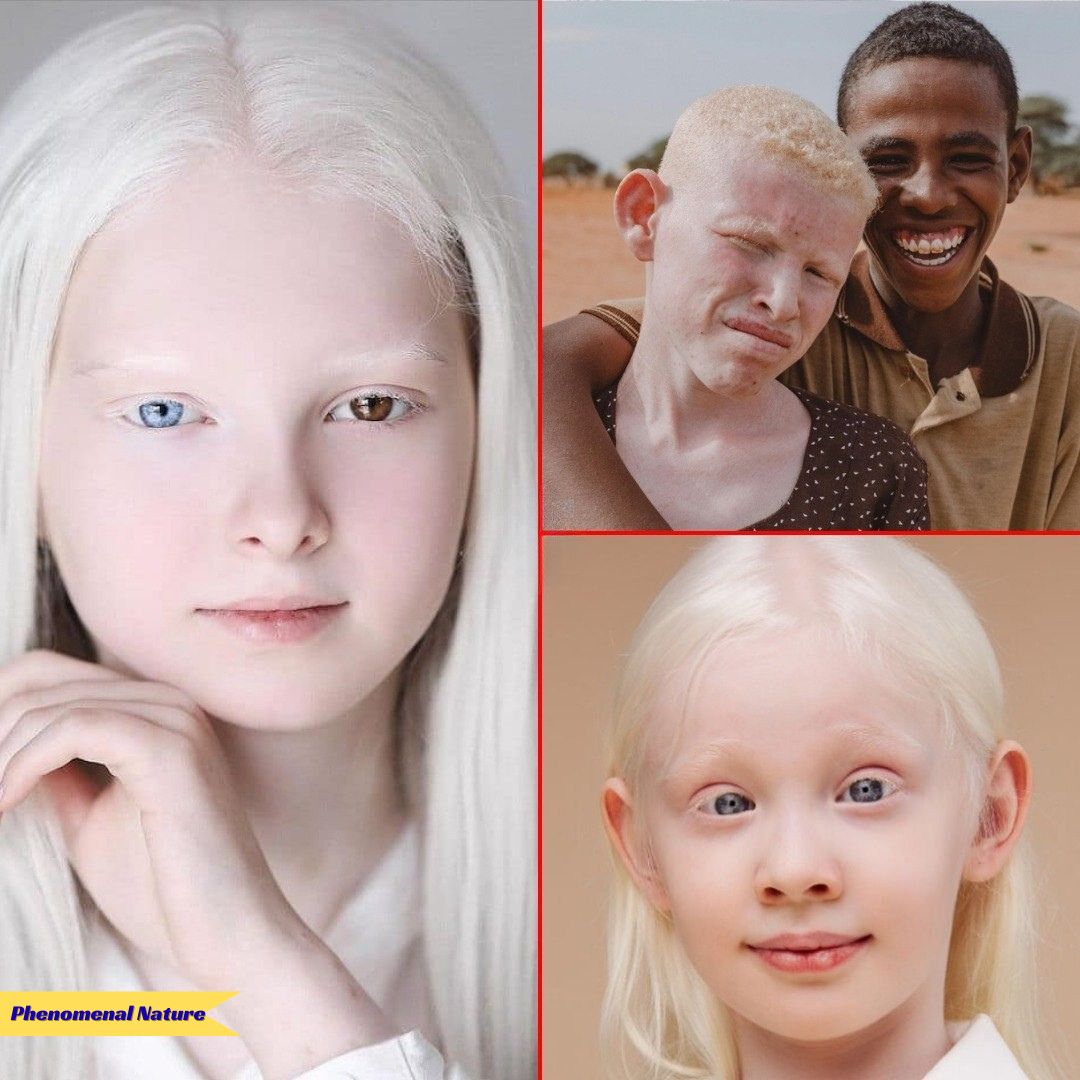
When people hear the word albinism, they often picture very light skin, white hair, or pale eyes. But albinism is far more than a difference in appearance — it is a genetic condition that affects how the body produces melanin, the pigment responsible for coloring the skin, hair, and eyes.
Melanin does more than determine how someone looks. It plays a crucial role in the development of the eyes and the visual system. When the body produces little or no melanin, it can lead to vision challenges such as light sensitivity, reduced visual sharpness, involuntary eye movements, and difficulties with depth perception. For many individuals with albinism, bright sunlight is not just uncomfortable — it can significantly impact daily life.
Albinism is inherited, typically passed down when both parents carry a specific gene variant. It is not contagious, not caused by lifestyle choices, and not the result of environmental factors. It is simply a natural genetic variation present from birth.
Beyond the medical aspects, the social reality can be even more complex. In certain parts of the world, particularly in some regions of Africa, people with albinism face discrimination, stigma, and harmful myths. Misunderstanding has, in some cases, led to isolation or even violence. This makes education and awareness critically important.
At its core, albinism is not something to fear or sensationalize. It is a biological condition — and the real challenge often lies not in the lack of pigment, but in the lack of understanding.