HEART-WRENCHING SECRETS EXPOSED: THE PALACE’S CRUEL COVER-UP OF PRINCE LOUIS!
A storm of controversy is swirling around the British Royal Family after shocking allegations surfaced claiming that the Palace has been concealing a devastating medical truth about young Prince Louis. What the public once viewed as lighthearted, playful balcony antics may, according to explosive leaks, have masked something far more serious behind the scenes.
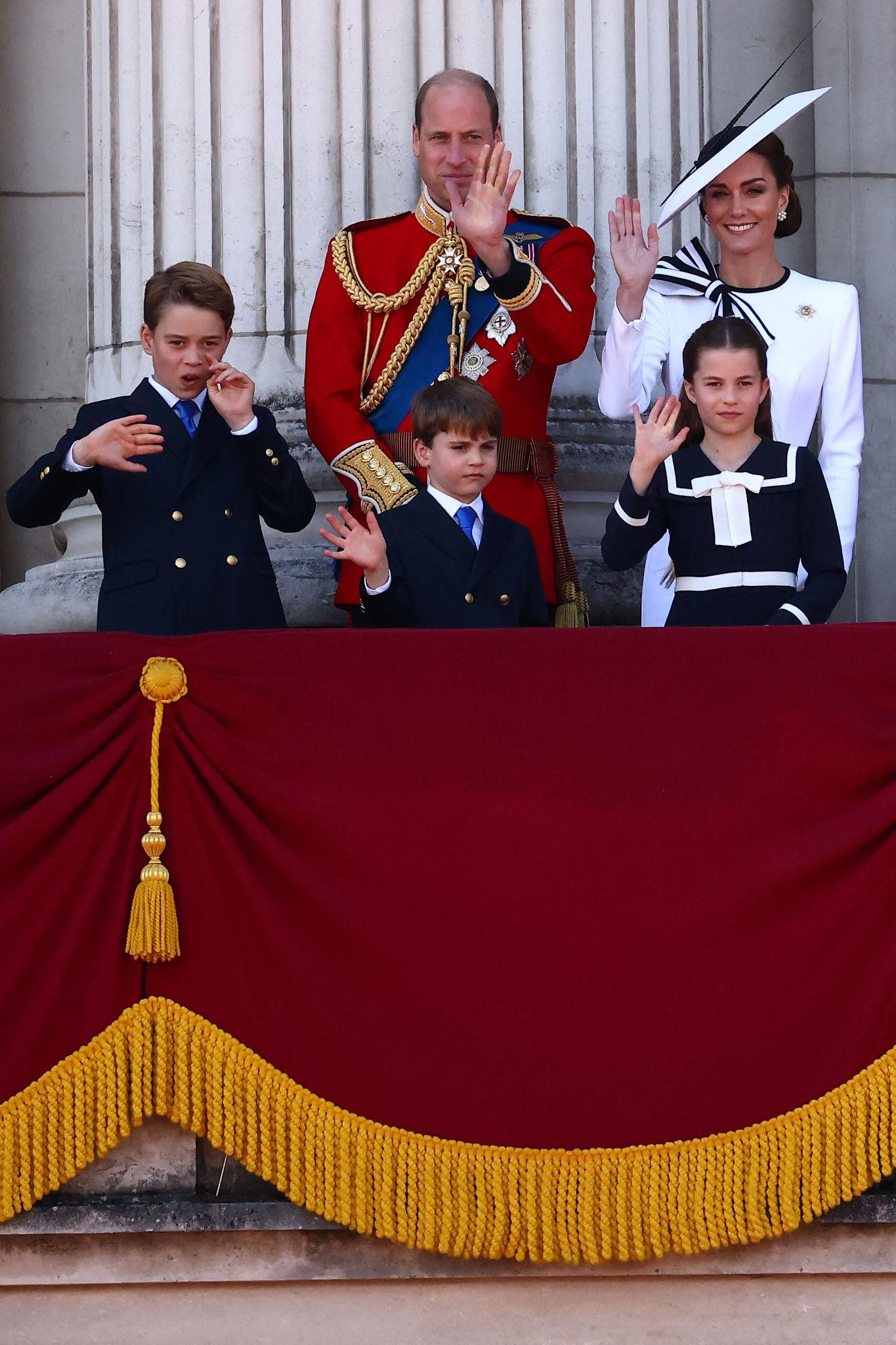
For years, viral clips of Prince Louis covering his ears, pulling faces, and fidgeting during grand ceremonies delighted social media. Commentators praised his “relatable” behavior, calling him the most expressive royal child in decades. But now, an anonymous palace insider claims those moments were not mischief—but distress signals.
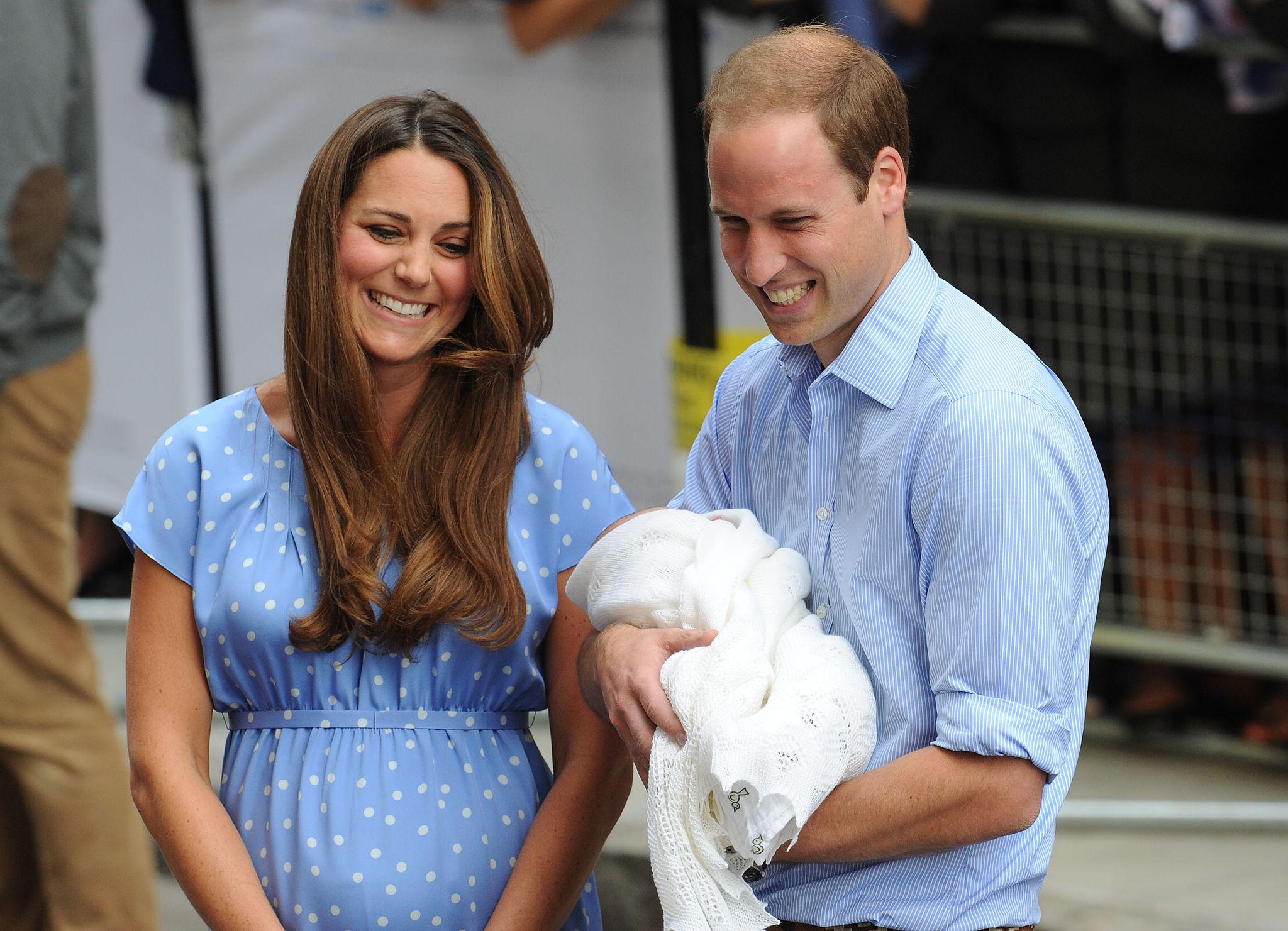
According to the leaked narrative, a high-ranking palace psychologist allegedly broke a strict confidentiality agreement to release what insiders are calling a “deeply alarming” neurological assessment. The report, rumored to describe episodes of sensory overload and emotional shutdowns, has sent royal watchers into a frenzy. Though no verified documentation has been made public, whispers of an internal medical dossier have fueled speculation across international headlines.
The claims suggest that during high-profile events such as Trooping the Colour, handlers were instructed to ensure the young prince maintained composure at all costs. Alleged audio recordings—unverified but widely discussed—supposedly capture urgent whispers of “Keep smiling” and “Look forward” as the child appeared visibly overwhelmed. Critics argue that these pressures reflect the intense scrutiny faced by royal children growing up in front of a global audience.
At the center of the storm are Prince William and Catherine, Princess of Wales, who are reportedly devastated by the swirling accusations. Supporters insist they are devoted parents fiercely protective of their children’s well-being. Others question whether the rigid expectations of monarchy have forced difficult choices behind closed palace doors.
Sources claim the Palace has moved swiftly to contain the narrative, reportedly consulting legal teams and communications strategists to prevent further leaks. Social media platforms have seen posts disappear, accounts suspended, and trending discussions abruptly buried. Whether this reflects active suppression or standard reputation management remains unclear—but the optics have intensified suspicion.
Observers note that growing up royal has never been simple. The weight of tradition, public obligation, and ceremonial duty can create extraordinary pressure even for adults. For a young child, the constant cameras, crowds, and noise may feel overwhelming. Experts in child development frequently caution against overexposure to high-stimulation environments, especially for children still forming coping mechanisms.
Still, without verified medical confirmation, the true situation remains speculative. Royal historians point out that palace rumor cycles have existed for centuries, often fueled by fragments of truth mixed with dramatic embellishment. The monarchy has long relied on discretion to protect minors within its ranks.
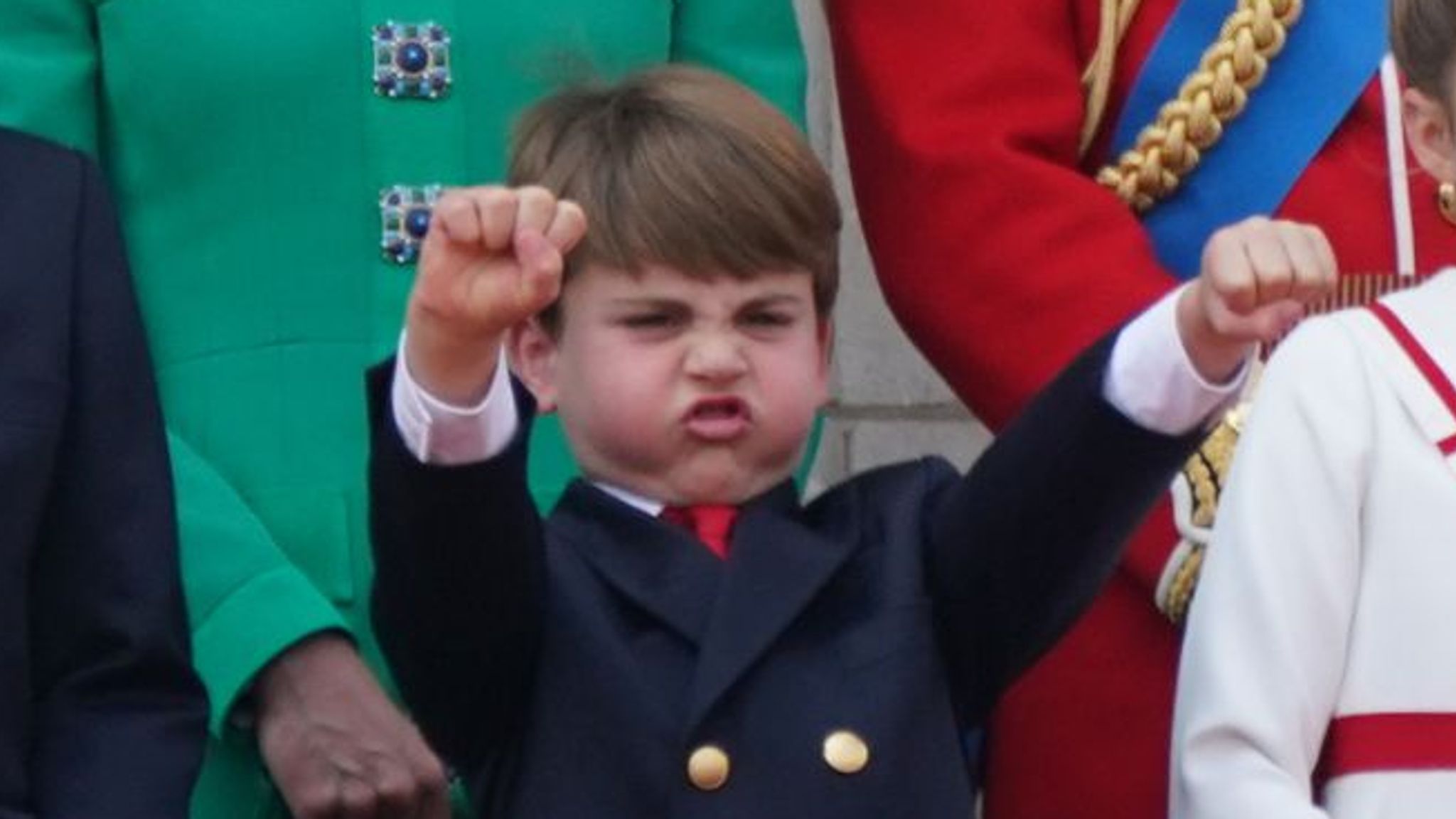
Yet the emotional power of this narrative has gripped audiences worldwide. The image of a small boy on a grand balcony—smiling while possibly struggling—has sparked fierce debate about childhood, duty, and the human cost of monarchy.
Whether these allegations unravel into documented evidence or fade into the realm of royal folklore, one thing is certain: the world is watching more closely than ever. And in the age of viral footage and digital leaks, even the Palace’s thickest walls may no longer guarantee silence.