The First Confession: A Turning Point in Vatican City
- TranThuy
- February 26, 2026
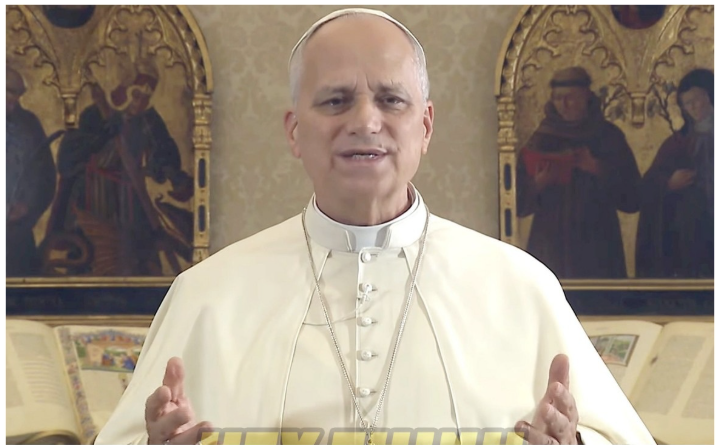
Beneath the soaring ceilings of Vatican City, an unexpected declaration echoes through marble corridors and candlelit chapels. In this dramatic and unfolding imagined scenario, Pope Leo XIV summons the most powerful cardinals of the Catholic Church and delivers words no one anticipated: “This Church will confess first.” The statement resounds through the Apostolic Palace like a clap of thunder, shaking centuries of certainty and tradition.
For generations, the Catholic Church has stood as a pillar of ritual, doctrine, and spiritual authority. Its traditions are woven into the fabric of history, shaping cultures and guiding billions of believers. Yet now, instead of calling for defense against critics or silence in the face of controversy, its highest leader calls for transparency. Instead of strengthening walls, he proposes opening windows. His message is radical in its simplicity: truth must begin at home.
Whispers ripple through Vatican halls as cardinals exchange uneasy glances. Some see courage in this declaration — the courage of a shepherd willing to lead his flock through painful self-examination. They believe that confession is not weakness, but faith in action. Others, however, fear instability. They worry about what such openness might uncover, about wounds long hidden beneath ceremonial robes and sacred language. The tension is palpable, as faith and frailty stand face to face.
Beyond the Vatican walls, millions of believers around the world react with mixed emotions. Some feel unsettled, wondering what revelations may follow. Others feel a quiet hope rising within them. In a world that increasingly demands authenticity from its leaders, the image of a Church choosing confession before accusation carries powerful symbolism. It suggests that moral authority is not maintained through denial, but strengthened through humility.
This imagined moment is not merely about institutional reform; it is about spiritual integrity. Confession lies at the heart of Christian tradition — a recognition of human imperfection and the need for grace. If individuals are called to examine their consciences, why should institutions be any different? By stepping into the light first, the Church in this story seeks not to diminish itself, but to rediscover its moral foundation.
Whether read as allegory, commentary, or spiritual reflection, this dramatic declaration reminds us of a timeless truth: institutions, like people, are strongest not when they conceal their wounds, but when they dare to heal them openly. In the quiet aftermath of those powerful words, one question lingers in the candlelit air — could confession, rather than condemnation, become the beginning of renewal?