Operation River Gavel: When Trust Shattered in Minneapolis
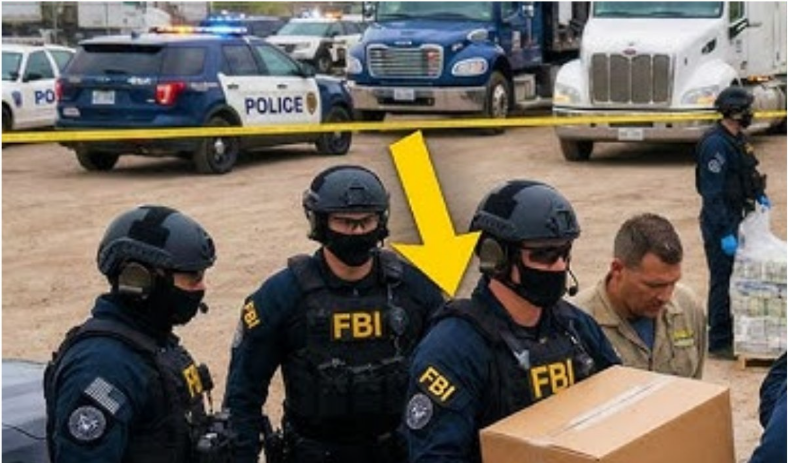
In the heart of Minnesota, inside the busy courtrooms of Minneapolis, a routine traffic stop cracked open a secret no one was prepared to face. What began as the discovery of just 2.3 kilograms of cocaine — small enough to fit inside a backpack — soon carried consequences heavy enough to shake an entire justice system. When U.S. Immigration and Customs Enforcement, the Federal Bureau of Investigation, and IRS Criminal Investigation launched what they called Operation River Gavel, investigators realized they were no longer examining a simple narcotics case. They were confronting what felt like betrayal embedded within the system itself.
As financial records were subpoenaed and digital trails traced, authorities allege that billions — nearly $33 billion — flowed through shell contracts and escrow accounts. Some accounts were reportedly controlled from chambers where justice was meant to be safeguarded. The scale of the operation stunned even seasoned investigators. What appeared outwardly as routine legal and financial activity allegedly concealed a network designed to move money quietly and efficiently across borders.
Luxury properties stood silent behind iron gates in affluent neighborhoods. Exotic cars gleamed beneath city lights. Offshore accounts reportedly stretched from the turquoise waters of the Cayman Islands to the glittering skyline of Dubai and the neon harbor of Hong Kong. Investigators described encrypted devices, mirrored servers, and complex cryptocurrency transactions — a digital maze built to obscure ownership and accountability. With every layer peeled back, authorities claim, the structure revealed deeper coordination and intent.

At the center of the allegations stood Samuel Bekele Tesfaye, a judge accused of serving not as a guardian of the law, but as its secret gatekeeper. Prosecutors allege he manipulated proceedings, shielded certain defendants, and facilitated financial arrangements that allowed illicit funds to circulate undetected. Hundreds were arrested as part of the broader investigation. Assets were frozen, properties seized, and weapons confiscated. Yet even as headlines announced major breakthroughs, investigators quietly cautioned that the network’s full scope might not yet be visible.
Legal analysts across Minnesota began examining how such an alleged scheme could have operated within trusted institutions. Courts rely on transparency, oversight, and ethical responsibility. When those pillars weaken, vulnerabilities can be exploited. Experts emphasized that complex financial crimes often depend on legitimacy as camouflage — blending unlawful activity with routine legal and commercial transactions.
Operation River Gavel ultimately became more than a criminal investigation; it became a reckoning with public trust. Sometimes the most dangerous empires do not hide in dark corners — they exist in plain sight, behind gavels and judicial robes, where confidence once lived unquestioned. And when that trust fractures, the echo is louder than any verdict delivered from the bench. It reverberates through communities, reminding society that the strength of justice depends not only on laws, but on the integrity of those sworn to uphold them.