HEART-WRENCHING BOMBSHELL: MARY COSBY’S SON DEAD AT 23 — NAR CAN USED!
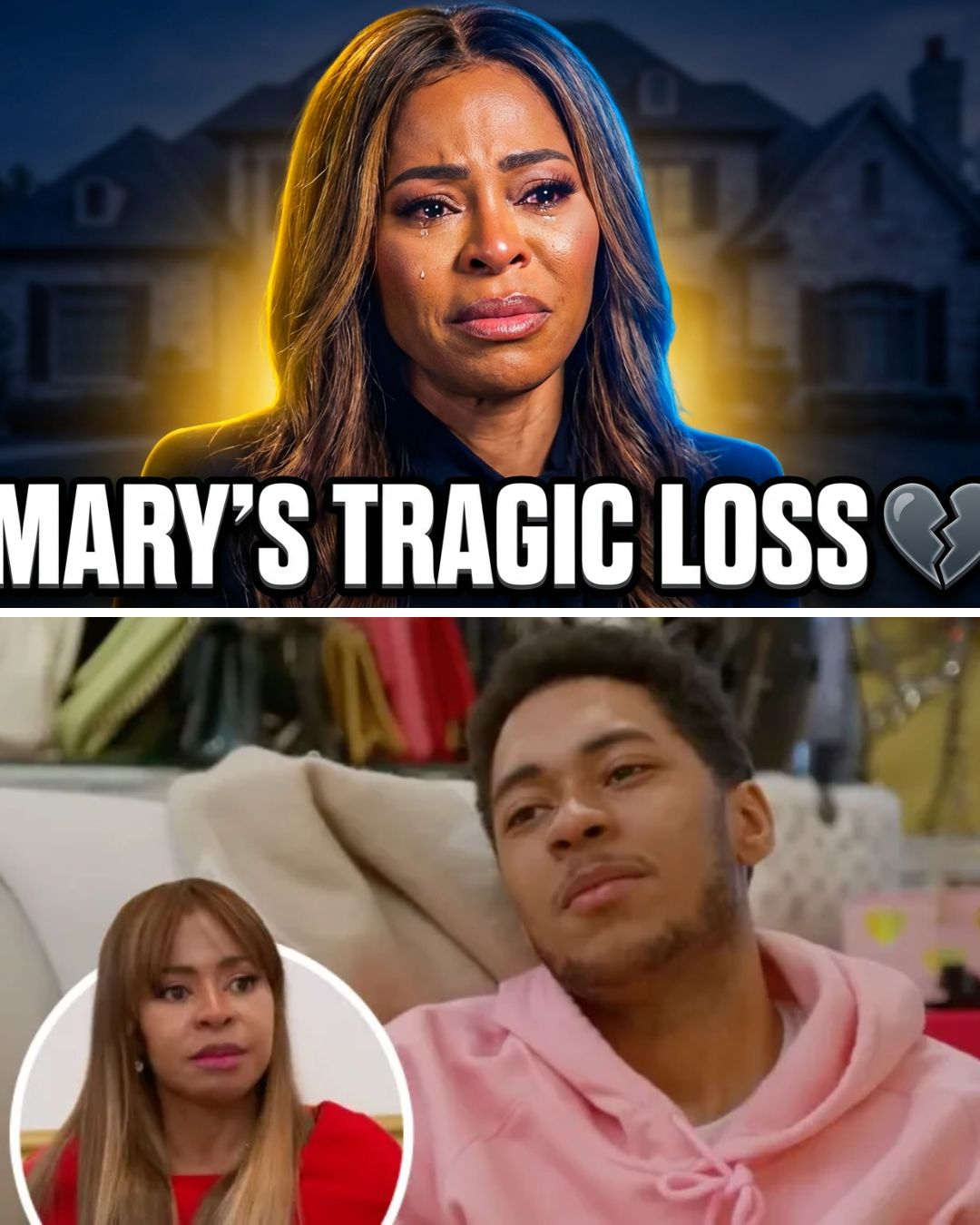
A wave of shock has swept through reality television circles after explosive and unverified reports began circulating online claiming that the son of Mary Cosby was found unresponsive at the age of 23. The rumors, spreading rapidly across social media platforms, describe a chaotic emergency response involving paramedics, flashing lights, and the alleged use of Narcan—an emergency medication commonly administered in suspected opioid overdoses.
As of now, no official statement from the family or law enforcement has confirmed the details being widely discussed. Still, the emotional intensity surrounding the narrative has ignited a storm of speculation.
Mary Cosby, best known for her controversial role on The Real Housewives of Salt Lake City, has long lived under intense public scrutiny. Her personal life, faith leadership, and family dynamics have frequently been debated online. Now, these latest allegations have amplified the spotlight in a way that feels deeply personal and devastating.
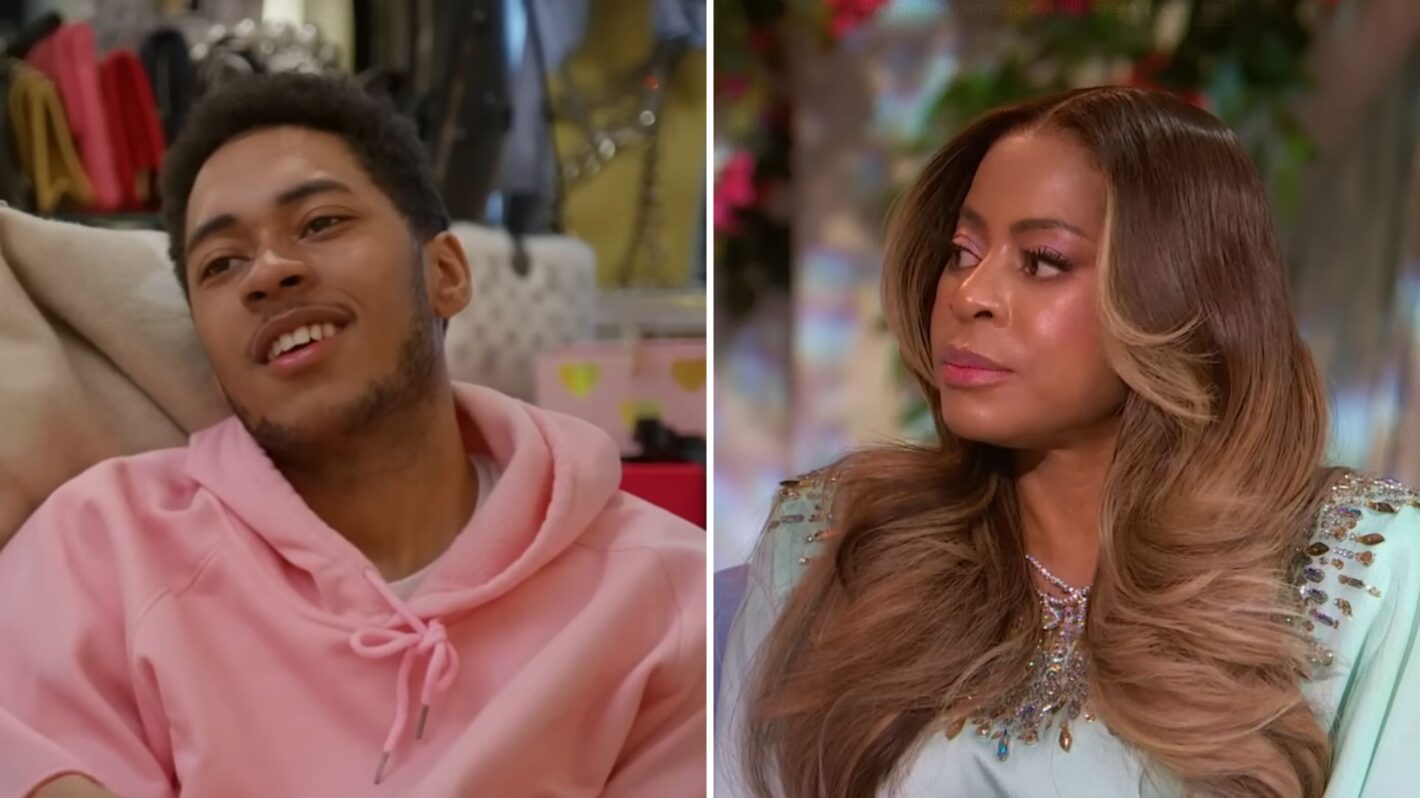
According to viral accounts, Robert Jr. was discovered unresponsive inside the family’s residence late at night. Emergency services were allegedly called immediately, and responders reportedly attempted life-saving measures. The claim that Narcan was administered has fueled widespread assumptions, though no toxicology reports or verified medical documentation have been released.
Online commentators have begun speculating about hidden struggles, mental health pressures, and the weight of growing up in a household constantly surrounded by cameras and controversy. Others caution against drawing conclusions in the absence of confirmed facts, emphasizing that early reports in emotionally charged situations are often incomplete or inaccurate.
The phrase “empire trembling in silence” has trended alongside Mary’s name, reflecting the broader cultural fascination with the rise and fall narratives surrounding reality television families. But behind the viral headlines lies a deeper truth: grief, if present, would be profoundly human and intensely private.
Social media has also seen darker speculation emerge. Some posts question whether underlying conflicts, financial stress, or family tensions may have played a role. Others push back strongly, criticizing the public’s appetite for turning tragedy into conspiracy.
The mention of Narcan has particularly intensified reactions. While it is commonly associated with overdose response, it is also frequently administered as a precaution when the cause of unconsciousness is unclear. Without verified medical confirmation, assumptions remain speculative at best.

So far, there has been no formal confirmation of death, no police briefing, and no verified autopsy findings made public. The absence of official statements has not slowed the online frenzy, but it underscores the importance of caution in interpreting viral claims.
Reality television often blurs the line between entertainment and personal reality. When cameras fade and episodes end, families continue to navigate life outside the frame. If these allegations prove true, the impact would be immeasurable. If they do not, the speed at which such claims spread raises serious questions about digital responsibility.
For now, the world watches and waits. Whether this heartbreaking narrative is grounded in confirmed fact or inflated rumor, one thing remains undeniable: when tragedy intersects with fame, the spotlight can feel merciless.
Until verified information emerges, the story remains in the realm of viral speculation—leaving a family, and an audience, suspended in uncertainty.