LAMAR ODOM WALKS OUT OF REHAB — KHLOÉ KARDASHIAN TERRIFIED FOR HIS LIFE!

Lamar Odom’s name is once again racing across social media feeds, not because of a comeback highlight or a red-carpet moment, but because of a troubling rumor that has reignited old fears: that the former NBA champion has walked out of rehab early—again—leaving family and friends terrified he’s sliding back toward a dangerous edge.
According to chatter spreading online, Odom reportedly exited treatment without completing the full plan that had been put in place for him. The details are murky, with conflicting accounts about whether the departure was sudden, supervised, or even medically advised. But the emotional reaction has been immediate: supporters are worried, critics are speculating, and the public is replaying the darkest chapters of his past like a warning siren.
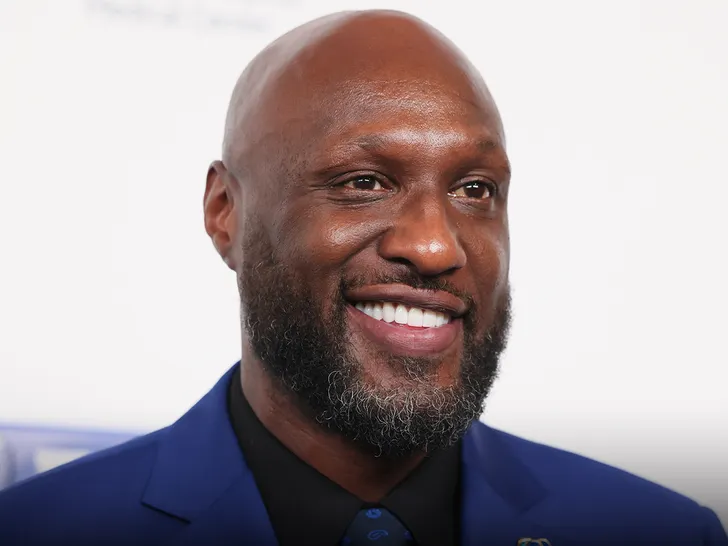
For many fans, Lamar Odom isn’t just a sports story. He’s a symbol of how fame can collide with pain—and how recovery is rarely a straight line. He’s had moments of triumph, including NBA titles and a reputation as a gifted, versatile talent. But his personal struggles have also played out in the most public way possible, with years of headlines that blurred the boundary between concern and spectacle.
In the middle of the latest panic is Khloé Kardashian, who—according to the viral narrative—has been thrown into “red alert” mode. Online posts describe her as shaken and fearful, convinced that leaving treatment early is a flashing sign that the situation could escalate fast. Whether or not the details are true, the idea resonates because it taps into a familiar reality: when someone you love is battling addiction or mental health challenges, every sudden change can feel like a cliff edge.
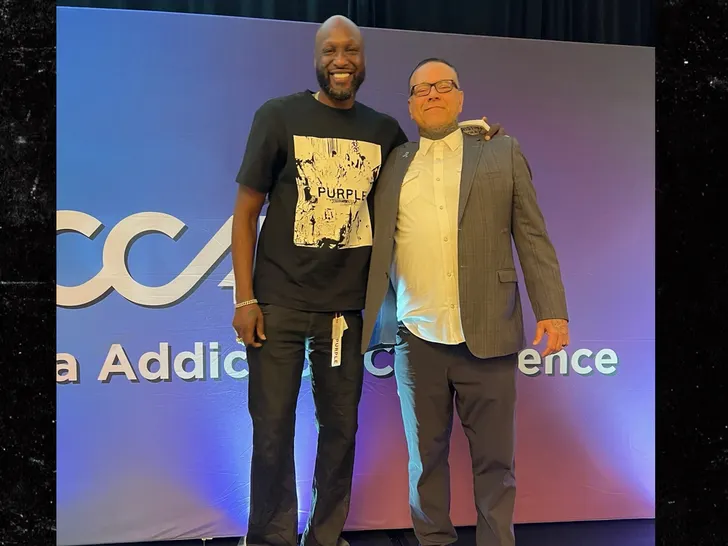
The rumors have also revived a more uncomfortable question: is someone enabling the downfall? Comment sections are packed with accusations and finger-pointing—friends, hangers-on, “yes” people, even the broader celebrity ecosystem that rewards chaos with attention. If someone leaves treatment too soon, the blame game tends to follow, even though the truth is usually more complex. Recovery is personal, fragile, and influenced by mental health, trauma, environment, and the daily grind of rebuilding routines that most people take for granted.
What’s especially striking is how quickly the internet shifts from empathy to entertainment. A person’s struggle becomes a storyline. Concern becomes content. And the loudest voices often know the least. If Odom truly did leave rehab, it could mean many things: fear, burnout, denial, a disagreement with a program, or a desperate attempt to reclaim control. It could also mean nothing at all—just another rumor amplified into “breaking news.”
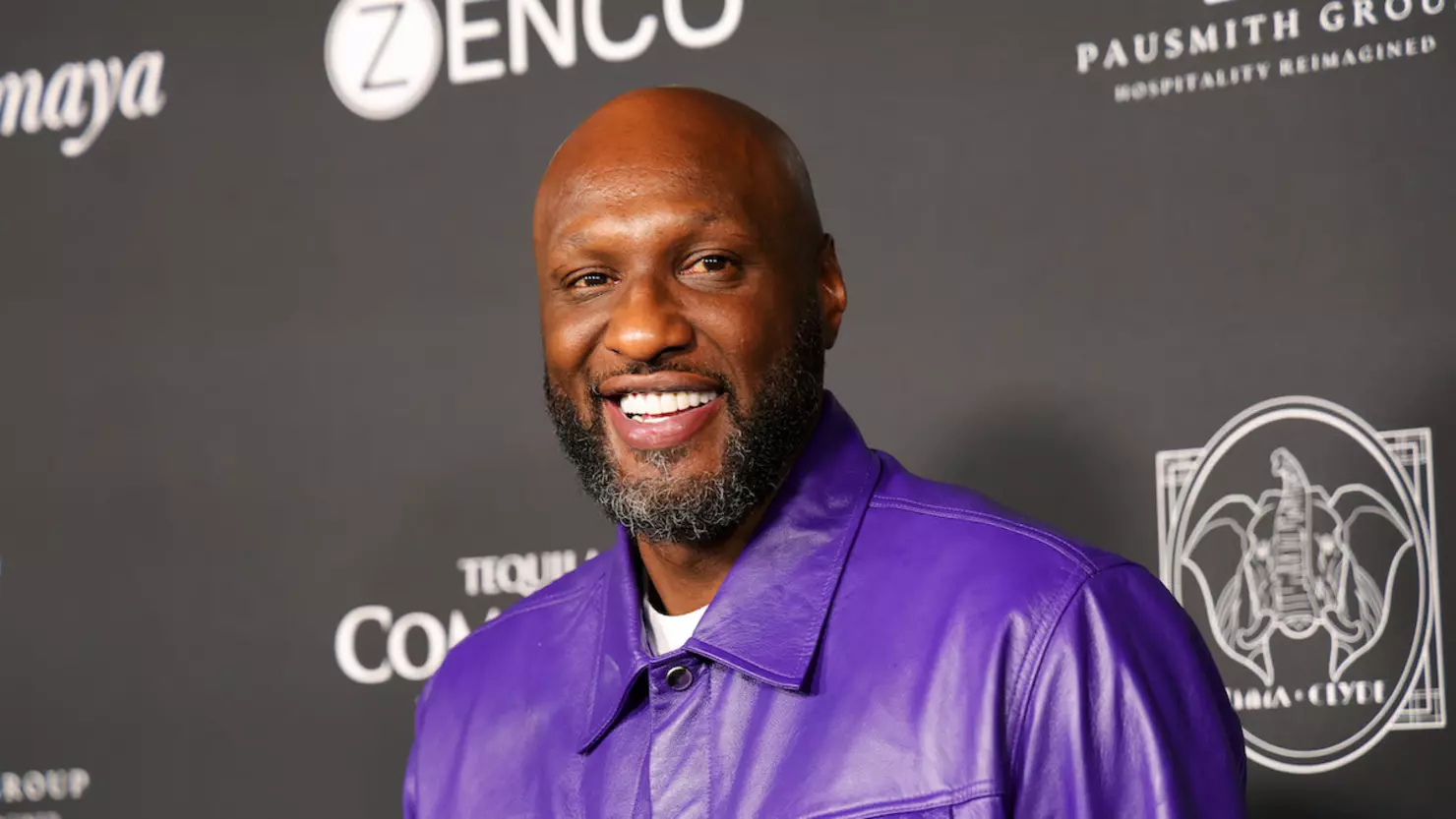
Still, the emotional core of this story hits hard because the stakes are real. When relapse is a risk, time matters. Support systems matter. Accountability matters. And privacy—often the most overlooked ingredient—matters too.
Whether this is a crisis moment or a false alarm, the most important thing is that Lamar Odom stays connected to help, not headlines. Because recovery isn’t about a perfect streak—it’s about returning to the path, again and again, even when the world is watching.