A $217 Shockwave: The Night the Tesla Pi Phone Shook the Tech World
- TranThuy
- February 26, 2026
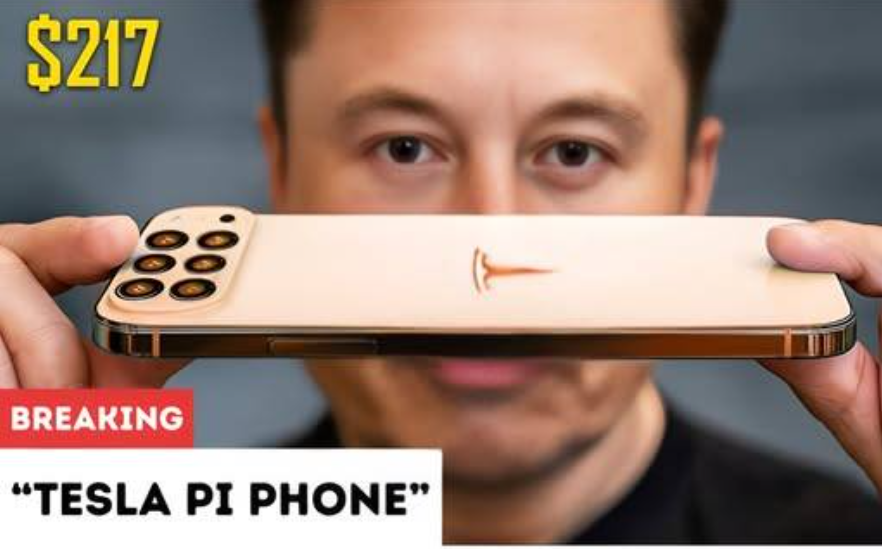
The tech world erupted overnight as the $217 Tesla Pi Phone prototype stepped into the spotlight. Social media feeds flooded with speculation, tech analysts scrambled to confirm details, and consumers stared at their screens in disbelief. The device, unveiled under the bold vision of Elon Musk and linked to Tesla, Inc., was immediately described as the most daring challenge yet to the empire of Apple Inc.. Sleek, aggressively engineered, and shockingly priced, the prototype did not simply enter the market—it stormed onto the stage with dramatic intent.
At just $217, the Tesla Pi Phone did more than whisper competition; it declared revolution. In an industry where flagship smartphones routinely exceed a thousand dollars, the price alone sent shockwaves through investors and consumers alike. Commentators questioned how such advanced technology could be offered at a fraction of the cost of premium rivals. Was this a bold strategy to disrupt the market? A calculated risk to accelerate ecosystem expansion? Or a masterstroke designed to reshape expectations of value in modern technology?
Beyond its price tag, the device symbolized a broader ambition. Tesla has long been associated with innovation in electric vehicles, renewable energy, and artificial intelligence. Now, by stepping into the smartphone arena, the company appeared ready to extend its ecosystem into the palms of millions. Observers speculated about deep integration with Tesla vehicles, satellite connectivity, and cutting-edge AI features. If realized, such capabilities could redefine what users expect from a handheld device—transforming it from a communication tool into a central command hub for digital life.
Naturally, comparisons with Apple surfaced immediately. For over a decade, Apple has dominated the premium smartphone landscape through meticulous design, brand loyalty, and tightly integrated hardware and software. The question on everyone’s mind was whether Tesla’s bold entry could genuinely threaten that dominance. Some argued that Apple’s ecosystem is too powerful, too refined, and too trusted to be shaken by a newcomer. Others countered that disruption often arrives unexpectedly—especially when driven by a figure as unpredictable and ambitious as Musk.
Public reaction ranged from excitement to skepticism. Loyal Tesla supporters hailed the Pi Phone as the dawn of a new technological era, while critics warned that prototypes and promises do not always translate into sustainable products. Analysts reminded audiences that the smartphone market is fiercely competitive, with supply chains, app ecosystems, and customer trust playing decisive roles. Even so, the sheer audacity of the announcement reignited a sense of drama and anticipation that the industry had not felt in years.
Whether the Tesla Pi Phone becomes legend or merely lightning in a bottle remains uncertain. Yet one truth is undeniable: the battle for the future of our hands, our homes, and our hearts has rarely felt more electrifying. Innovation thrives on competition, and competition fuels progress. If this prototype signals the beginning of a genuine rivalry, consumers worldwide may ultimately be the greatest beneficiaries. In the end, the smartphone throne may tremble—or it may stand firm—but the spark of revolution has already been struck.