Westminster on Edge: The WASPI Row Reignites

Tensions are rising once again in Westminster as the long-running dispute between Women Against State Pension Inequality (WASPI) campaigners and the Department for Work and Pensions returns to the center of political debate.
The controversy stems from changes to the UK state pension age introduced under the Pensions Act 1995 and later accelerated by the Pensions Act 2011. The reforms gradually increased the state pension age for women, aligning it with men and later raising it further. While the policy shift was framed as part of broader pension sustainability efforts, many women born in the 1950s argue they were not given adequate notice to adjust their retirement plans.
Campaigners say the lack of timely and clear communication left thousands financially exposed, forcing abrupt changes to work, savings, and long-term life planning. For those affected, the dispute is not solely about pension timelines but about transparency, fairness, and accountability in government decision-making.
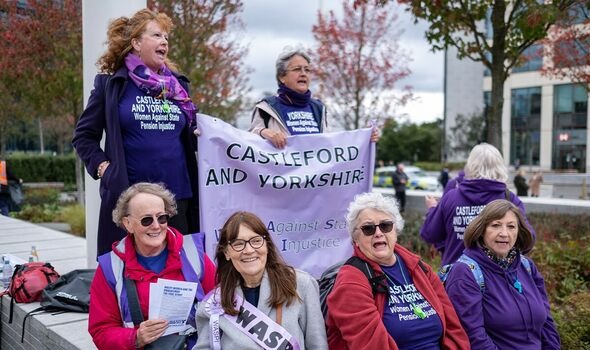
The issue gained renewed momentum following scrutiny by the Parliamentary and Health Service Ombudsman, which previously found instances of maladministration in how the changes were communicated. That finding has intensified calls from campaign groups and some Members of Parliament for compensation.
Ministers, however, face a complex balancing act. Any large-scale compensation scheme could carry significant financial implications at a time of broader fiscal pressures. Supporters argue that justice for the affected generation is long overdue. Critics warn that the cost could open a fiscal commitment with long-term consequences for public finances.
As debate deepens in Westminster, the political stakes are rising. Whether the government moves toward compensation or resists further action, the WASPI issue remains a powerful symbol of how policy reforms can carry lasting personal and political impact.