Jesy Nelson’s Petition Reaches 100,000 Signatures, Triggering Parliamentary Debate on SMA Screening
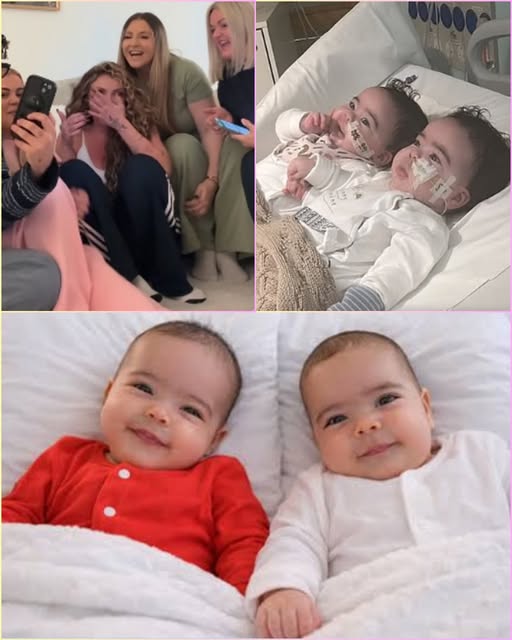
An emotional milestone has been reached for Jesy Nelson, as her campaign calling for routine newborn screening for Spinal Muscular Atrophy Type 1 (SMA1) surpassed 100,000 signatures — the threshold that typically prompts consideration for debate in the UK Parliament.

The former Little Mix member has spoken publicly about her family’s experience and the fear that comes with delayed diagnosis of rare genetic conditions. In a heartfelt message to supporters, Nelson described the moment as one she never imagined reaching — driven not by celebrity influence, but by what she described as a mother’s determination to protect her children.
Spinal Muscular Atrophy Type 1 is a severe inherited neuromuscular disorder that affects muscle strength and movement from infancy. Medical experts have long emphasized that early detection can significantly improve treatment outcomes, as emerging therapies are most effective when administered before symptoms progress.
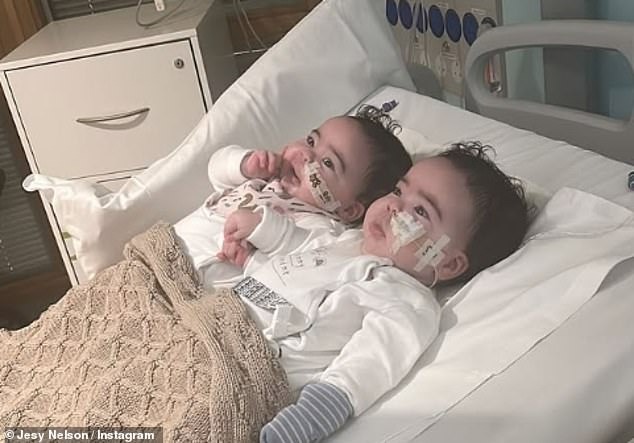
Campaigners argue that adding SMA to routine newborn screening programs could offer families faster diagnoses and earlier access to treatment. Supporters say the issue extends beyond one family, representing a broader call for improved safeguards for vulnerable infants across the country.
Reaching 100,000 verified signatures means the petition is eligible for parliamentary consideration, though debate scheduling ultimately rests with the relevant parliamentary committee. The development has intensified national conversation around rare disease screening, healthcare funding, and preventive care policy.
For many supporters, the milestone represents more than a procedural step. It has become a symbol of collective advocacy — transforming a deeply personal struggle into a wider movement for awareness, early intervention, and the protection of future generations.