DWP Under Fire: MPs Press Ministers as WASPI Campaigners Renew Compensation Demands
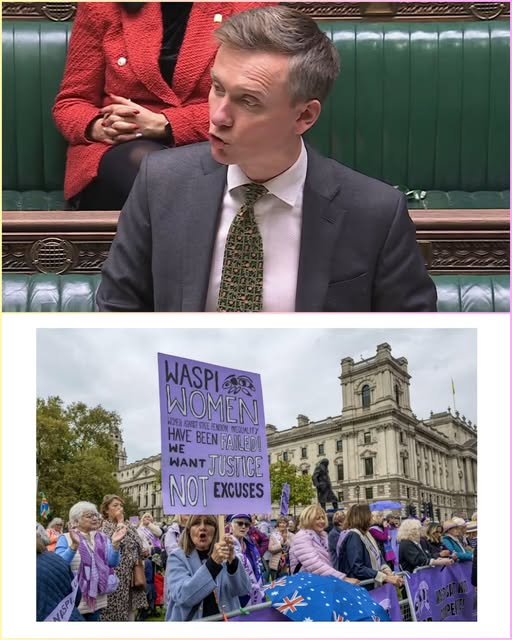
The row over state pension age changes has flared up again following a heated session in the House of Commons, placing fresh pressure on the Department for Work and Pensions.
Members of Parliament questioned ministers over long-standing concerns raised by Women Against State Pension Inequality (WASPI) campaigners, who argue they were not given adequate notice of increases to the state pension age. Many of the women affected were born in the 1950s and say the changes forced them to alter retirement plans with little time to prepare.
The reforms were introduced under the Pensions Act 1995 and later accelerated by the Pensions Act 2011, which aimed to equalize and then raise the pension age in response to rising life expectancy and fiscal pressures. While the policy objectives were widely debated at the time, critics maintain that communication to those impacted was insufficient and inconsistent.
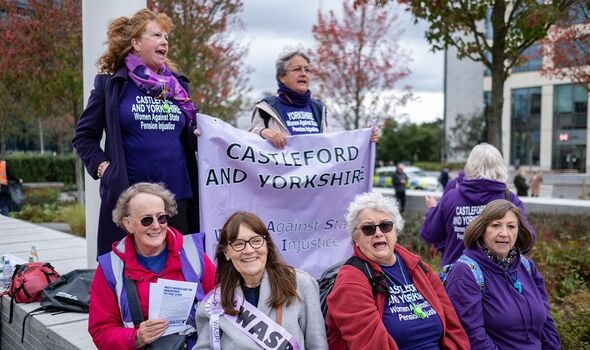
The issue gained further attention after findings from the Parliamentary and Health Service Ombudsman highlighted maladministration in how the changes were communicated, strengthening calls for compensation.
Campaigners argue that for many women, the consequences were severe — including financial hardship, extended working lives, and disrupted retirement plans. Ministers, however, face significant budgetary considerations, with any compensation scheme likely to involve substantial public expenditure.
As the debate intensifies in Westminster, the political stakes continue to rise. For supporters, compensation represents overdue fairness and accountability. For others, it raises complex questions about fiscal responsibility and precedent.
With pressure mounting on the government to respond decisively, the WASPI issue remains one of the most emotionally charged and politically sensitive pension debates in recent years.