🕯️⚖️ Three Sisters, One Decision: A State Confronts the Weight of Mercy ⚖️🕯️
- NgocThuy
- February 26, 2026
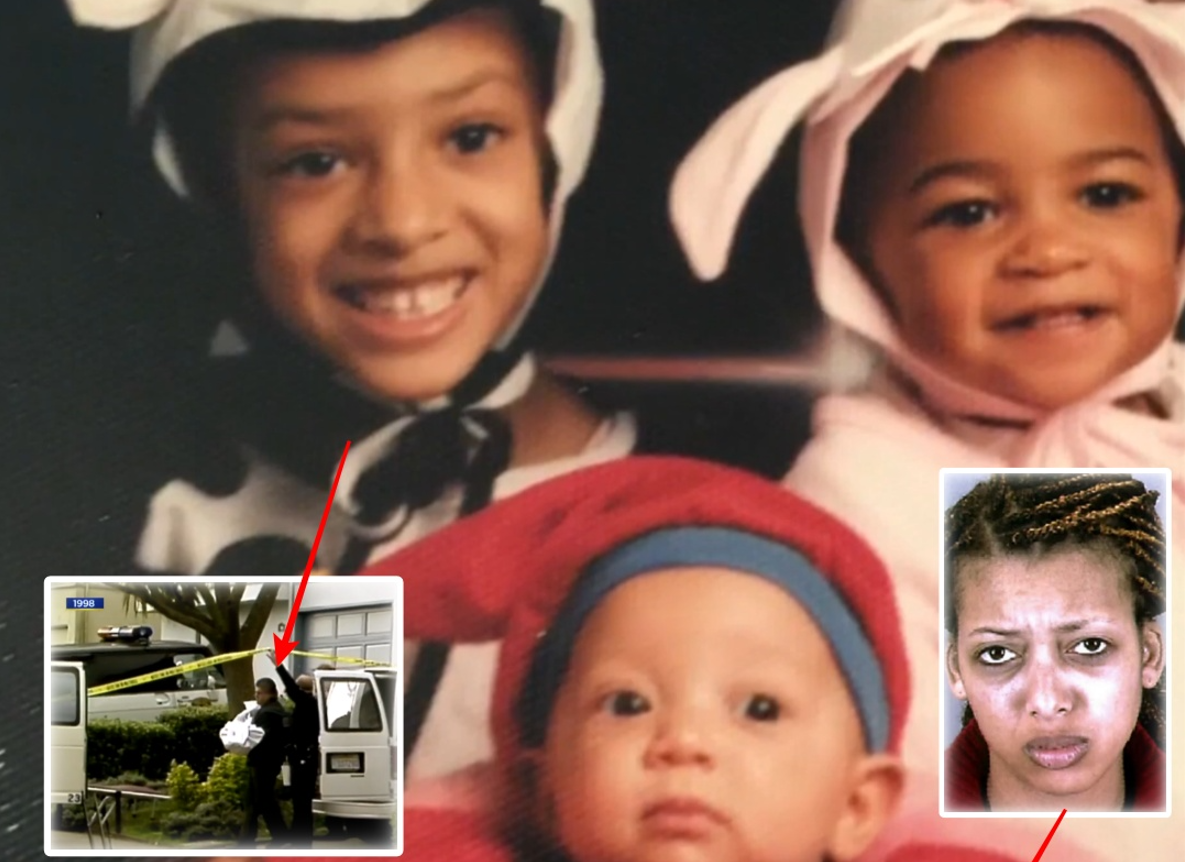
In 1998, a crime so devastating it stunned California left three young sisters — just 2, 3, and 7 years old — dead inside their own home. The case etched itself into the memory of a community and reshaped the life of their mother, Megan Hogg, forever.
Now, more than 27 years later, the story has returned to the forefront — not because of what happened then, but because of what may happen next.
⏳ Decades Behind Bars
Hogg has spent nearly three decades in prison. During that time, parole officials say, she has completed rehabilitation programs, pursued education, and demonstrated consistent behavioral reform. For the second time, a parole board has deemed her suitable for release, citing evidence of growth and accountability. But rehabilitation on paper does not erase memory.

💔 A Pain That Never Aged
Prosecutors and surviving family members argue that some crimes are so horrific that freedom can never be justified. They speak not only of the brutality of the act, but of three little girls whose futures were permanently erased. To them, no number of completed programs can restore birthdays never celebrated or milestones never reached.
⚖️ Mercy vs. Accountability
The case now rests on the desk of Governor of California, who holds the authority to affirm or reverse the parole board’s recommendation. The decision will force the state to confront a profound moral question:
Can decades of penance balance the scales against irreversible loss?
Is justice defined solely by punishment — or can it include the possibility of redemption?
🌫️ A State Divided
Supporters argue that the justice system must allow room for transformation, or rehabilitation loses its meaning. Opponents counter that mercy, in this case, would deepen wounds that have never fully healed.
🕊️ The Final Word
As the Governor weighs the decision, the echoes of 1998 linger heavily. Three sisters remain frozen in time. A mother waits for a ruling that could redefine the rest of her life.
In the end, this is not only a legal decision — it is a reckoning with how society measures forgiveness, accountability, and the true cost of unimaginable loss.