
Mel Gibson Explores Insights from the Ethiopian Bible and Its Unique Perspective on the Life of Jesus
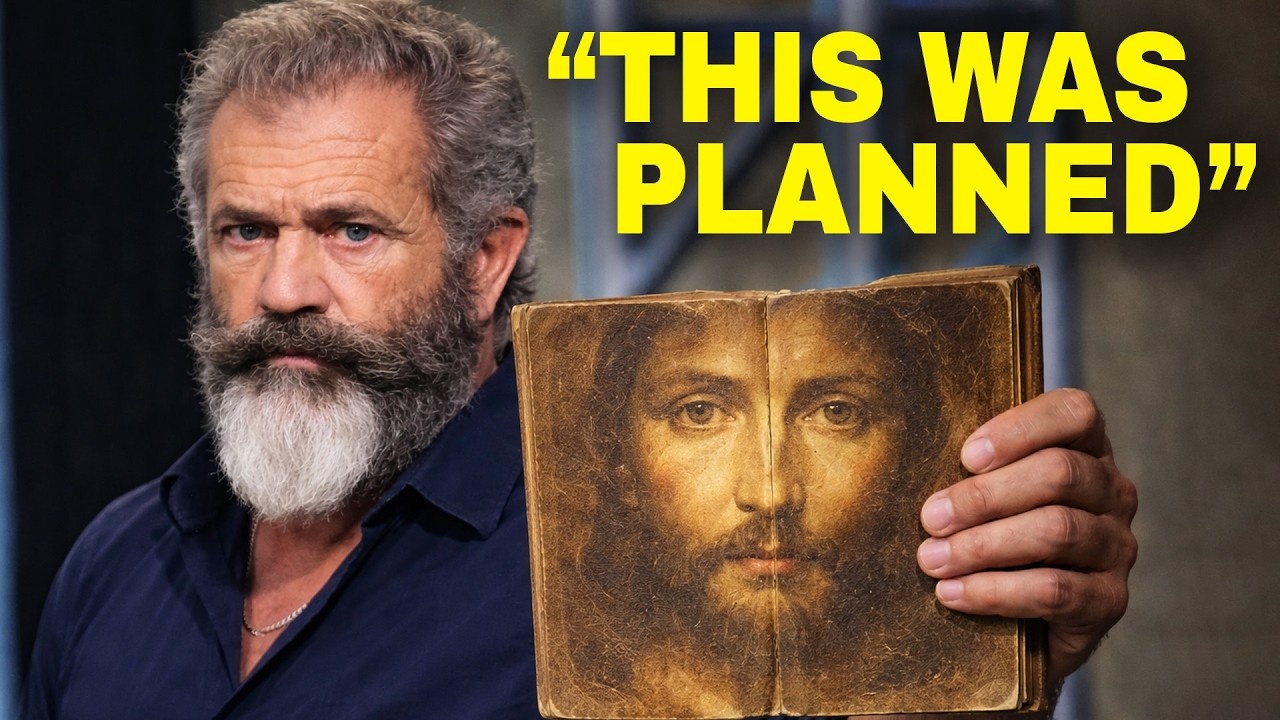
In a groundbreaking discovery that has sent shockwaves through the religious community, Mel Gibson, the controversial filmmaker known for his cinematic portrayals of biblical narratives, has uncovered astonishing details within the Ethiopian Bible.
This ancient text, preserved by the monks of the Ethiopian Orthodox Tewahedo Church, contains 81 books filled with profound visions of heaven, cosmic mysteries, and prophecies that predate Jesus himself.
What if the Bible that billions of people know is missing entire books that were never lost but rather deliberately left behind?
This revelation raises urgent questions about the nature of faith, the authenticity of scripture, and the very essence of what it means to believe.
As Gibson prepares to develop a sequel to his iconic film “The Passion of the Christ,” the implications of his findings could not be more timely.

The Ethiopian Bible, with its rich tapestry of narratives and teachings, challenges everything we thought we knew about Jesus and the foundations of Christianity.
High in the mountains of Ethiopia, these sacred texts have remained hidden from the Western world, their messages untouched and unexamined.
Why were these writings excluded from the canon that shaped Christian doctrine?
What secrets do they hold that could alter our understanding of Jesus and his teachings?
The discovery of the Ethiopian Bible is not just an archaeological find; it is a profound awakening.
The texts describe Jesus in incredible detail, presenting a figure whose life and mission may be far more complex than the traditional narratives suggest.
Imagine a Jesus who is not only a savior but also a cosmic being intertwined with the very fabric of the universe.
The implications of such a portrayal are staggering, inviting believers and skeptics alike to reevaluate their understanding of faith and spirituality.

As the world grapples with this revelation, the urgency of the moment becomes palpable.
What happens if these texts resurface now, in an age where misinformation and skepticism run rampant?
The potential for a spiritual awakening is immense, yet so is the risk of controversy.
Are we ready for what has been left out?
The question hangs in the air, heavy with the weight of history and belief.
The Ethiopian Orthodox Tewahedo Church has safeguarded these scriptures for centuries, maintaining a tradition that has remained largely untouched by the forces of modernity.
The monks, custodians of this ancient wisdom, have preserved a narrative that challenges the very core of Western Christianity.
The existence of these texts raises profound questions about the nature of divine inspiration and the human desire to control the narrative of faith.
What if the exclusion of these writings was not merely an oversight but a deliberate act to shape the beliefs of millions?
As Gibson delves deeper into the mysteries of the Ethiopian Bible, the film offers a cinematic journey that intertwines history, theology, and personal belief.
The audience is invited to witness the unfolding of a narrative that has the power to shake the foundations of faith.
Each revelation is like a thread pulled from a tapestry, unraveling a story that has been hidden for too long.
The stakes are high, and the potential for transformation is immense.
The emotional impact of this discovery cannot be overstated.

For believers, the Ethiopian Bible represents a connection to the divine that has been obscured by time and tradition.
The possibility that these texts contain teachings that could illuminate the life of Jesus in ways never before imagined ignites a spark of hope and curiosity.
Yet, with this hope comes a sense of dread.
What if the truths contained within these pages challenge the very essence of what it means to be a Christian?
What if they reveal a Jesus who is more complex, more human, and more divine than we ever understood?
As the documentary unfolds, it becomes clear that the implications of the Ethiopian Bible extend far beyond religious boundaries.
The texts speak to universal themes of love, sacrifice, and redemption, resonating with anyone seeking a deeper understanding of the human experience.
The question of what it means to live a life of faith in a world filled with uncertainty and doubt is at the forefront of this exploration.
The urgency of the moment is underscored by the ticking clock of time.
As Gibson prepares to bring these ancient truths to the forefront of popular culture, the stakes are higher than ever.
The potential for a spiritual renaissance is palpable, yet so is the risk of backlash from those who feel threatened by a more inclusive understanding of faith.
The tension between tradition and revelation creates a dramatic backdrop for this unfolding narrative, inviting viewers to question their beliefs and confront the complexities of their spirituality.
In a world where information is often manipulated and narratives are crafted to serve specific agendas, the emergence of the Ethiopian Bible serves as a powerful reminder of the importance of seeking truth.
The texts challenge us to look beyond the surface and explore the depths of our faith.
What if the answers we seek lie hidden in the pages of ancient manuscripts?
What if the stories we thought we knew are merely fragments of a much larger narrative?
As the film reaches its climax, the revelations come fast and furious, each one more astonishing than the last.
The audience is left breathless, grappling with the implications of what they have just witnessed.
The Ethiopian Bible is not just a collection of ancient texts; it is a portal to understanding the divine, a bridge between the past and the present.
The call to awaken resonates deeply, urging us to explore the mysteries of faith and the human experience.
In the aftermath of this revelation, the world watches with bated breath.
The potential for transformation is immense, yet the risk of controversy looms large.
As Gibson prepares to unveil the secrets of the Ethiopian Bible, the question remains: are we ready to confront the truths that have been hidden for so long?
The journey of discovery is just beginning, and the revelations that await may forever alter our understanding of spirituality and the human condition.
The Ethiopian Bible stands as a testament to the enduring power of faith and the relentless pursuit of truth.
As we navigate the complexities of belief and doubt, we must remain open to the possibility that the answers we seek may lie hidden in the depths of our history, waiting for the right moment to be revealed.
The call to awaken is louder than ever, inviting us to explore the mysteries of the divine and the profound truths that shape our existence.
The journey of discovery is not just an exploration of ancient texts; it is a quest for understanding, a search for meaning in a world filled with uncertainty.
As we stand on the precipice of revelation, the Ethiopian Bible beckons us to delve deeper, to seek the truths that lie beneath the surface, and to embrace the complexities of our faith.
The time has come to confront the narratives that have shaped our understanding and to awaken to the possibilities that await us.
The Ethiopian Bible may hold the keys to unlocking a new understanding of Jesus and the divine, and as we embark on this journey, we are reminded that the quest for truth is a timeless pursuit, one that has the power to transform our lives and our world.