Rising Tensions Surround Lil Baby Following Keion White Incident as Community Reacts
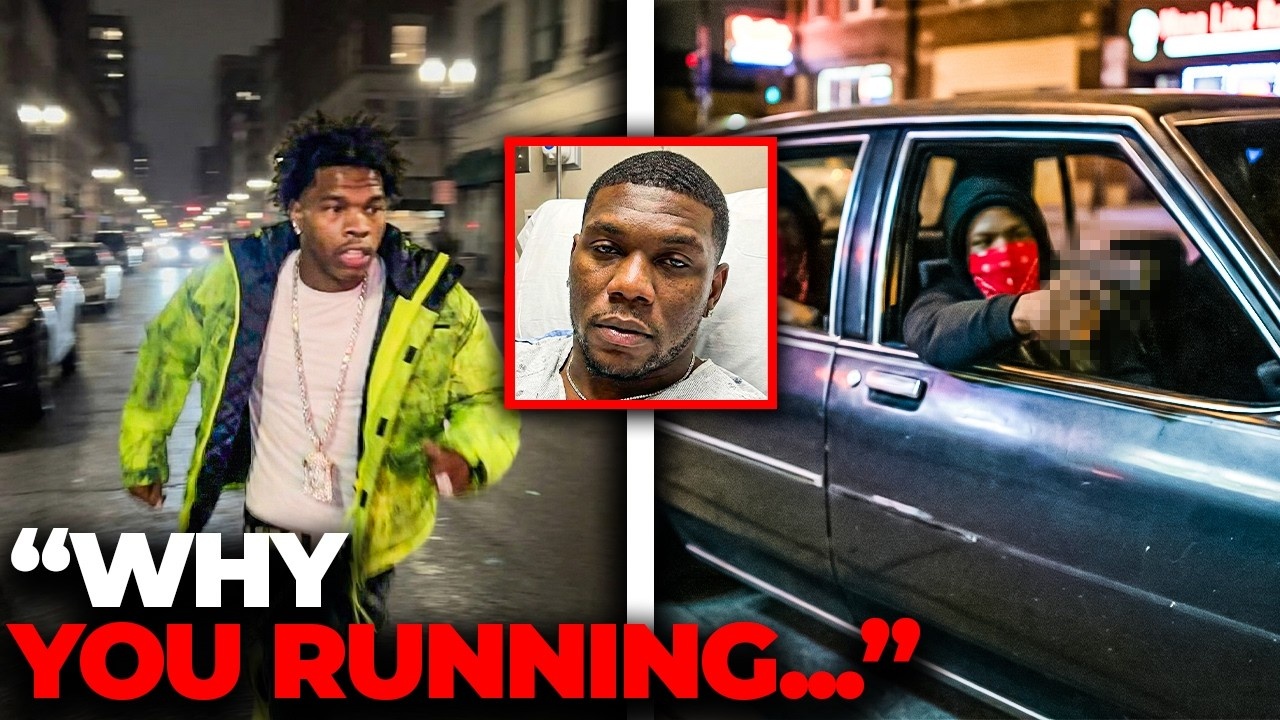
A wave of online speculation and street-level tension has surrounded Grammy-winning rapper Lil Baby following reports linking his name to a broader conflict allegedly connected to the recent shooting of Keion White, a figure said to have ties to the Bloods.
While law enforcement agencies have not publicly named Lil Baby as a suspect or person of interest, rumors circulating on social media suggest that factions associated with the California-based Bloods are seeking retaliation in connection to the incident. Officials have yet to confirm any organized threat, and representatives for the artist have not released a formal statement addressing the claims.
The situation has fueled widespread debate within the hip-hop community about the intersection of fame, street credibility, and personal safety.
Keion White’s shooting has reportedly intensified long-standing tensions between regional groups. Though details remain limited, the event has triggered online commentary suggesting escalating hostilities. It is important to note that much of the narrative currently unfolding is driven by unverified reports, social media discussions, and commentary from bloggers rather than confirmed investigative findings.
Security experts say that when high-profile artists are even loosely connected to street disputes — whether directly or indirectly — the perception alone can create heightened risk.
“In today’s climate, perception spreads faster than facts,” said one Atlanta-based entertainment security consultant who requested anonymity. “Once a name trends alongside conflict, it changes the risk profile instantly, regardless of actual involvement.”
Lil Baby, born Dominique Jones, built his reputation through raw storytelling about his upbringing in Atlanta. His lyrics often reference hardship, loyalty, and survival — themes that resonate deeply within hip-hop culture. Over the years, he has transitioned from emerging street rapper to global superstar, earning chart-topping albums and mainstream endorsements.
This dual identity — global entertainer and voice of the streets — is now central to the conversation.
Music industry analyst Carla Monroe explains that artists who rise from challenging environments often face a complicated balancing act. “There’s an expectation of authenticity,” Monroe said. “Fans want the real story. But as success grows, the artist’s world changes. The danger is when past affiliations, real or perceived, collide with present visibility.”
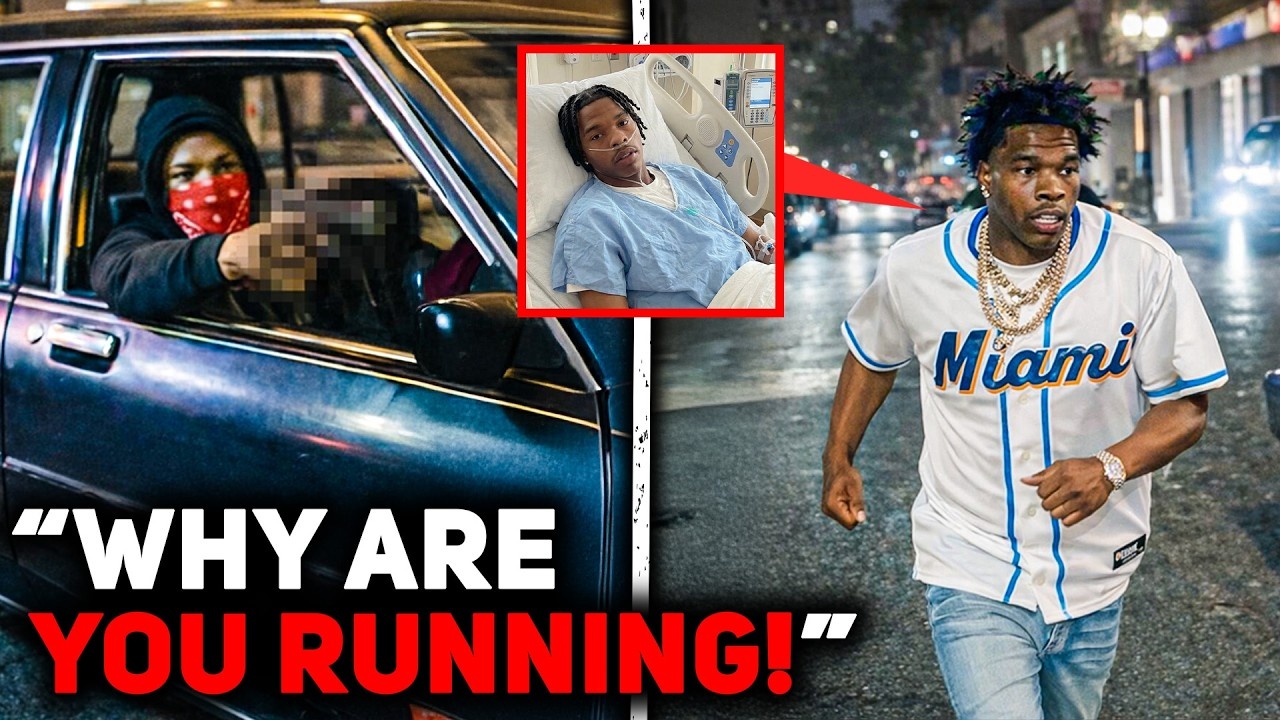
Monroe adds that public silence in moments like this is often strategic. “When there are rumors of retaliation, any statement — even a denial — can escalate tensions. Sometimes restraint is the safest communication.”
Though no verified threat has been confirmed, the psychological impact of being publicly associated with violence can be significant. High-profile artists frequently increase private security in response to viral speculation alone.
A former tour manager who has worked with major hip-hop acts explained how quickly protocols shift. “If credible chatter surfaces, even online, you reassess everything — venues, routes, appearances. It becomes about risk mitigation.”
Living under that level of scrutiny can be isolating. Artists must continue performing, recording, and maintaining brand partnerships while navigating heightened awareness of personal safety.
The emotional dimension also extends to fans. Social media reactions show a mix of concern, loyalty, and confusion. Some supporters are urging calm and patience until verified information emerges. Others fear that the situation reflects deeper systemic challenges within segments of the music industry.
The rapid spread of information has added complexity. Online platforms often blur the line between confirmed reporting and speculation. In high-profile cases, narratives can evolve before facts are established.
Communications strategist Andre Holloway notes that sensational framing can intensify public perception. “When headlines emphasize feud and retaliation, it creates a sense of inevitability,” Holloway said. “But conflict narratives are often more layered than they appear.”
He emphasizes that artists today must manage not only physical security but also digital reputation. “Reputation risk can move markets, partnerships, and public trust faster than any official investigation.”
Within the hip-hop community, conversations are emerging about conflict resolution and long-term safety. Veteran artists and executives have increasingly advocated for mediation efforts and stronger boundaries between artistic storytelling and real-world affiliations.
Though Lil Baby has not addressed the current rumors directly, he recently celebrated his birthday with the release of a new project titled “The Leaks,” signaling continued focus on music amid the noise.
Whether the present controversy fades as speculation or develops into something more concrete remains to be seen. For now, there are no public statements from law enforcement confirming organized retaliation, nor any charges linking the rapper to the shooting.
At its core, the unfolding situation reflects the fragile space where celebrity, past identity, and public narrative intersect. Hip-hop’s global reach has elevated artists from neighborhood recognition to international influence — but with that elevation often comes amplified scrutiny.
As observers wait for verified updates, the focus remains on safety, clarity, and responsible reporting. For Lil Baby, the coming weeks may determine whether this chapter becomes a fleeting rumor in a long career — or a defining moment in how artists navigate the complex realities that can follow success.
For now, officials urge caution against spreading unverified claims, and supporters continue watching closely as the story develops.