
New Details About Omarion’s Life and Career Spark Widespread Conversation Among Fans
In the ever-evolving world of R&B, few names carry the recognition and longevity of Omarion. Known for his smooth vocals, intricate choreography, and early success as the lead singer of B2K, the artist built a career that has spanned decades. However, recent discussions circulating within entertainment circles are prompting fans and observers to take a closer look at the man behind the music.
Industry insiders and former collaborators have begun speaking more openly about tensions, strained relationships, and the emotional cost of maintaining a carefully polished public image. While no formal allegations or legal claims have been filed, the renewed scrutiny has shifted public conversation away from chart performance and toward personal accountability and authenticity.
At the center of the conversation is a broader question: how much of a celebrity’s image is performance, and how much reflects reality?
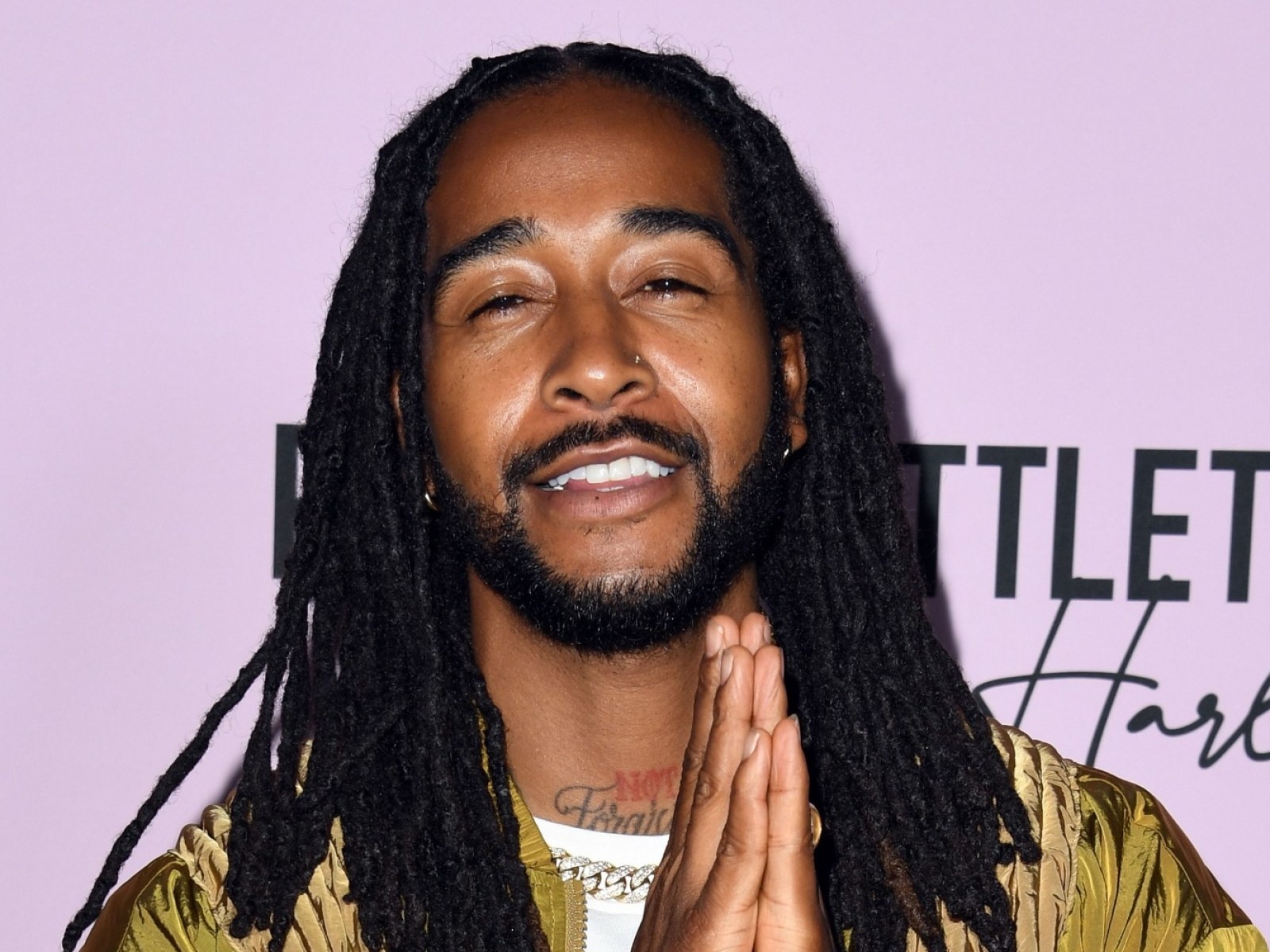
One former associate, speaking anonymously in an entertainment podcast discussion, described working relationships that were “professionally rewarding but emotionally complicated.” While the statement stops short of specific accusations, its wording suggests underlying tension. The phrase “emotionally complicated” is notable for its ambiguity. It implies interpersonal strain without directly assigning blame, leaving room for interpretation while still planting doubt in the public mind.
Omarion himself has not directly addressed the recent wave of commentary. In past interviews, however, he has acknowledged the pressures of fame. In a previous public appearance, he stated, “Growth requires reflection. You have to look at yourself honestly, even when it’s uncomfortable.”
That quote, once seen as a general statement about maturity and career evolution, is now being reexamined in a different light. Analysts suggest the wording reflects an awareness of personal complexity rather than the flawless persona often projected during his peak years. The emphasis on “uncomfortable” reflection may signal internal struggles that were previously shielded from fans.
Entertainment commentators point out that Omarion’s rise to prominence occurred during an era when image control was tightly managed by labels and management teams. As the frontman of B2K in the early 2000s, he was marketed as charismatic, polished, and emotionally accessible. That branding helped fuel commercial success but may also have created expectations that were difficult to sustain privately.
A music industry analyst told reporters, “When an artist’s identity becomes a product, the line between authenticity and branding can blur. Over time, that tension can surface in personal and professional relationships.” This observation frames the current narrative less as a singular controversy and more as a reflection of systemic pressures within celebrity culture.
Fans appear divided. Some have taken to social media to express disappointment, suggesting that the emerging stories conflict with the image they supported for years. Others argue that evolving perspectives are part of personal growth and that no public figure should be frozen in a single chapter of their life.
The emotional undertone of this moment is significant. The bond between R&B artists and their audiences often runs deep, built on vulnerability in lyrics and shared emotional experience. When questions arise about authenticity, that connection can feel unsettled.
Still, it is important to separate speculation from verified fact. At present, much of the discussion is rooted in commentary rather than documented evidence. Media experts caution against drawing definitive conclusions without substantiated claims. The entertainment industry has a history of amplifying narratives before all perspectives are fully presented.
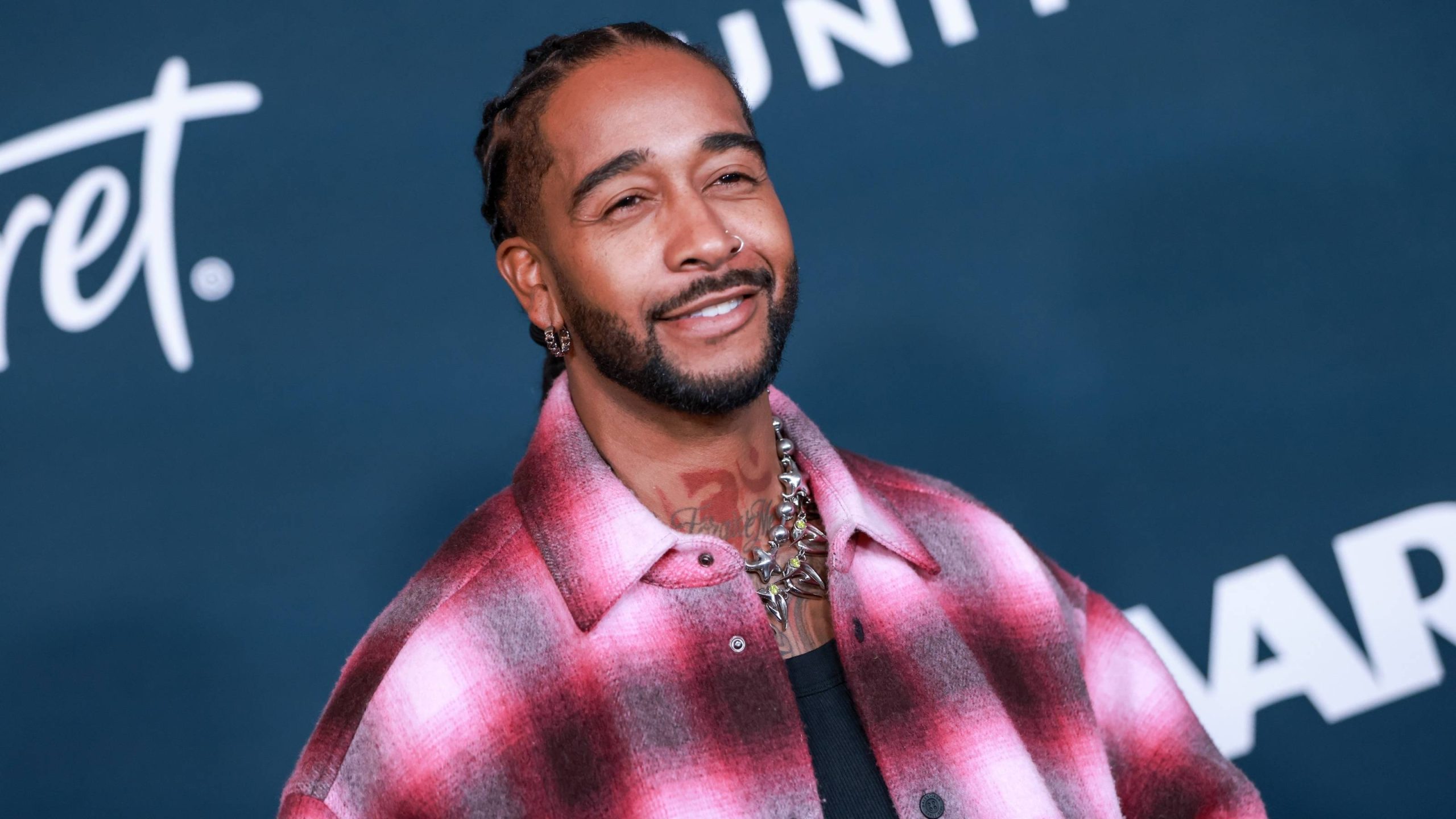
Observers note that this period may ultimately become a turning point. Some artists emerge from scrutiny with renewed clarity and transparency, reshaping their public narrative through open dialogue and creative expression. Others struggle under sustained public doubt.
For Omarion, the coming months may determine which path unfolds. His legacy includes platinum-selling projects, successful tours, and a lasting imprint on early 2000s R&B culture. Whether this chapter redefines that legacy or becomes a moment of recalibration remains to be seen.
What is clear is that the conversation has moved beyond music alone. It now centers on identity, perception, and the fragile balance between public admiration and private complexity. In an era where audiences demand transparency from their idols, even subtle shifts in narrative can carry significant weight.
As the story develops, one question continues to echo through the entertainment landscape: in a culture built on image, how much truth can remain hidden before the spotlight turns inward?