The Robotaxi Revolution: A Defining Moment for the Future of Transportation
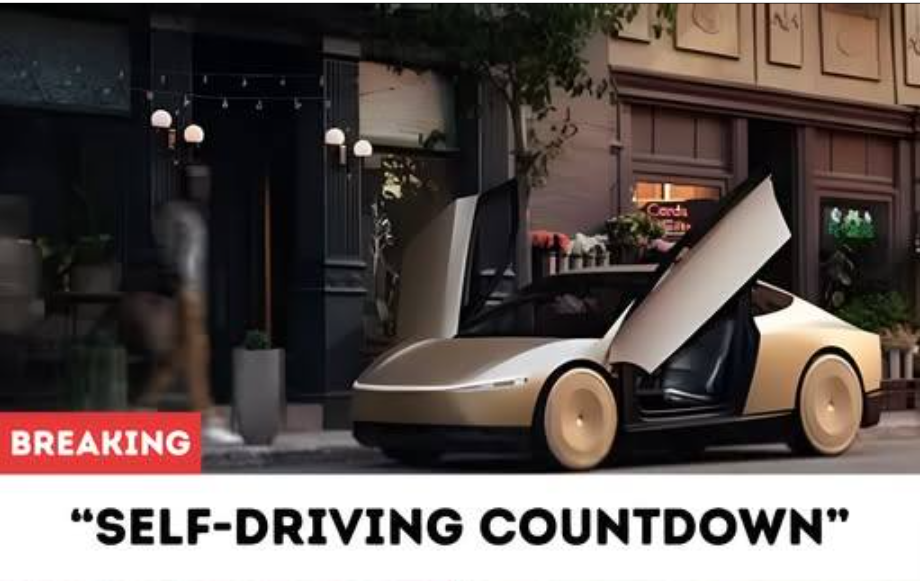
A quiet tension is building around Elon Musk and his bold robotaxi dream. As Tesla enters one of the most pivotal chapters in its history, the world watches with anticipation. Investors analyze every statement, engineers refine every line of code, and technology enthusiasts speculate about what comes next. The promise of fully autonomous vehicles has lingered on the horizon for years, but now the countdown feels real. The stakes are enormous, and so is the potential reward.
At the heart of this moment lies Tesla’s ambition to perfect Full Self-Driving technology and deploy a global network of robotaxis. Unlike traditional ride-sharing services, these vehicles would operate without human drivers, guided entirely by artificial intelligence and advanced sensor systems. If successful, the shift would not merely improve convenience; it could fundamentally reshape urban mobility. Cars would no longer sit idle in parking lots for most of the day. Instead, they would move continuously and intelligently, responding to demand with seamless efficiency.
For Musk, the robotaxi vision is more than a business strategy—it is a declaration about the future of transportation. He has long argued that autonomy will make roads dramatically safer by reducing human error, which accounts for the vast majority of accidents worldwide. In his vision, cities become living networks of coordinated motion, where vehicles communicate with each other, minimize congestion, and reduce emissions. Streets once crowded with unpredictable drivers could evolve into synchronized systems guided by data and machine precision.
Yet the road to autonomy is anything but smooth. Regulators demand rigorous safety standards, critics question technical readiness, and competitors race to develop their own self-driving solutions. Each approaching deadline brings both excitement and scrutiny. Market reactions fluctuate with every announcement, reflecting a mix of optimism and caution. The spotlight grows brighter, illuminating not only Tesla’s technological progress but also the risks of overpromising in a field where perfection is essential.
Beyond corporate ambition, the implications of robotaxis stretch into society itself. A successful launch could transform how people live and work. Commuting might become productive or restful time rather than a stressful routine. Urban landscapes could change as parking lots give way to parks or housing. At the same time, industries tied to driving professions would face profound transitions, raising important questions about economic adaptation and responsibility. The robotaxi is not just a vehicle; it is a catalyst for structural change.
As the countdown continues, one daring question stands in the light: will this moment redefine Tesla’s destiny—and ours? If Musk’s vision succeeds, it may mark the beginning of a new era in mobility, where intelligence moves through city streets as naturally as electricity flows through wires. If it falters, it will serve as a reminder of how difficult true innovation can be. Either way, this chapter represents more than a corporate milestone; it is a test of how boldly humanity is willing to reimagine the future. 🚕✨