SHOCKING TRUTH EXPOSED: What Prince Andrew REALLY Did During Those 11 Hours in Police Custody Will HAUNT You
In a development that sent shockwaves through royal circles, Prince Andrew was reportedly taken into police custody in the early hours of the morning—escorted from Royal Lodge in an unmarked vehicle as stunned staff watched from behind drawn curtains. According to insiders, it was just after 8 a.m. when investigators arrived, their presence described as “calm but unmistakably serious.” Within minutes, the Duke of York was gone.
For the next eleven hours, silence blanketed Buckingham Palace. No statements. No clarifications. Just a vacuum of information that fueled relentless speculation. Behind closed steel doors, sources claim seasoned investigators pressed Andrew on his long-standing associations with controversial financier Jeffrey Epstein. Files were allegedly laid across a metal table. Photographs. Travel logs. Names that have haunted headlines for years.
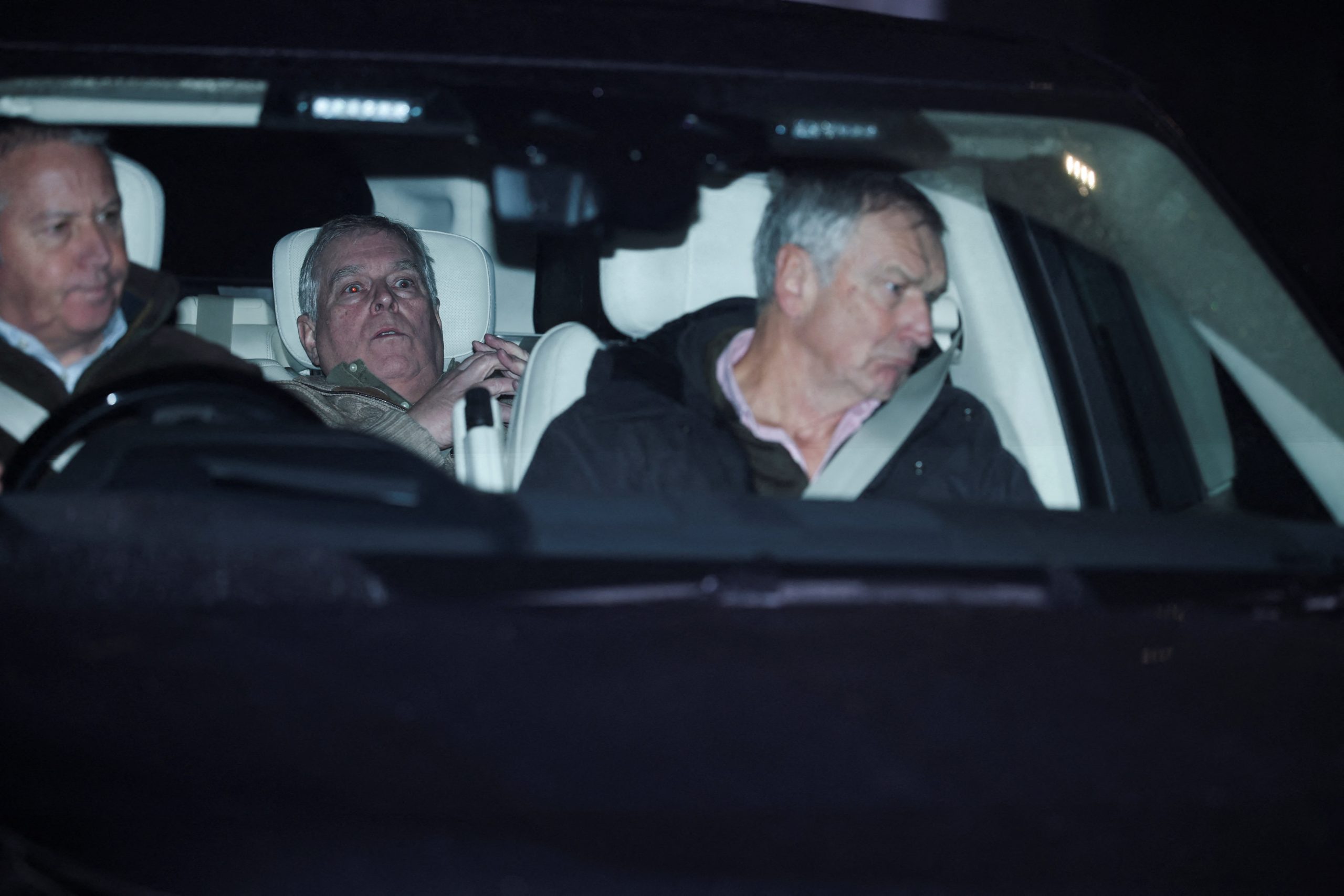
Witnesses later described Andrew as “pale and visibly shaken” upon release. One account claims he appeared slumped, avoiding eye contact, his usual defiant composure replaced by exhaustion. What exactly transpired inside that interrogation room remains sealed—but whispers suggest that the questions were sharper than ever before.
Authorities reportedly seized electronic devices and documents during a simultaneous search of the 30-room Royal Lodge mansion. Staff were instructed to stand aside as officers combed through filing cabinets and private quarters. Insiders hint at “new material” that could reshape public understanding of Andrew’s past dealings. Was it merely procedural, or did investigators uncover something far more explosive?
The shadow of Epstein looms large. Though Andrew has consistently denied wrongdoing and previously settled a civil case without admitting liability, public suspicion has never fully dissipated. The resurfacing of old contacts, unexplained meetings, and discrepancies in past interviews have continued to stir controversy. If new evidence exists, what does it reveal? And who else may be implicated by association?
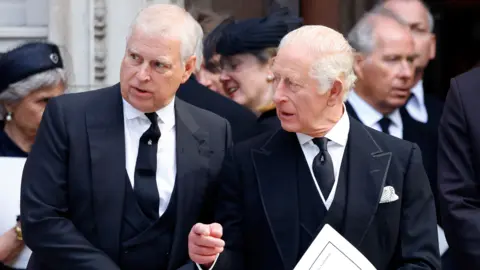
Within palace walls, tension reportedly escalated. Advisors convened emergency meetings, strategizing how to contain potential fallout. The monarchy, already navigating modern scrutiny and internal strains, faces renewed pressure to demonstrate transparency. Sources close to the Crown suggest that Charles III is weighing decisive action to safeguard the institution’s stability. Could further distancing from Andrew be imminent?
Perhaps most chilling are claims that certain members of the Royal Family were aware of troubling associations long before the public. If true, questions of silence and complicity could ignite a constitutional firestorm. Loyalty within the monarchy has always been paramount—but at what cost?
As speculation intensifies, one detail remains undeniable: the eleven-hour detention has reignited global fascination and outrage. The investigation’s next steps are unclear, but the implications are vast. Legal experts suggest that any formal charges would trigger unprecedented scrutiny of royal privilege and accountability.
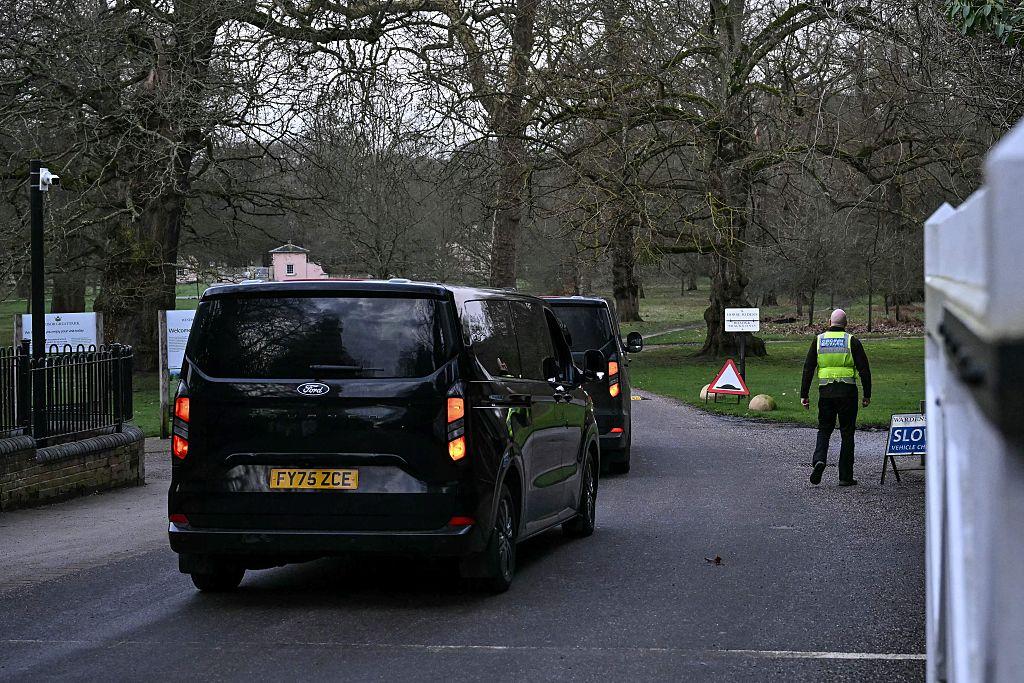
For now, the official narrative remains tightly controlled. No comprehensive statement has addressed the alleged custody or the specifics of the search. Yet the imagery of a royal figure led away in an unmarked car lingers in the public imagination.
In an era where secrecy rarely survives digital scrutiny, the coming weeks may determine whether this episode becomes another footnote in royal controversy—or the moment that forces a reckoning at the highest levels of the Crown.