SWASTIKA MERCH AND HITLER PRAISE: The Untold Story of Kanye’s Secret Rehab Stint in Spain After Bianca’s Ultimatum

In the volatile world of celebrity, few figures generate as much fascination and controversy as Kanye West. Now known legally as Ye, the rapper-turned-fashion mogul has once again found himself at the center of a storm—this time over allegations of extremist symbolism, inflammatory rhetoric, and a desperate attempt to salvage his marriage.
According to individuals described as close to the situation, the crisis escalated after what insiders called a “disturbing tirade” in which Ye allegedly made offensive remarks about Jewish communities and flirted with Nazi imagery as part of a provocative merchandise rollout. The backlash was swift and unforgiving. Major brands distanced themselves. Industry relationships frayed. Social media platforms lit up with outrage.
But behind the public spectacle, a more personal reckoning was unfolding.
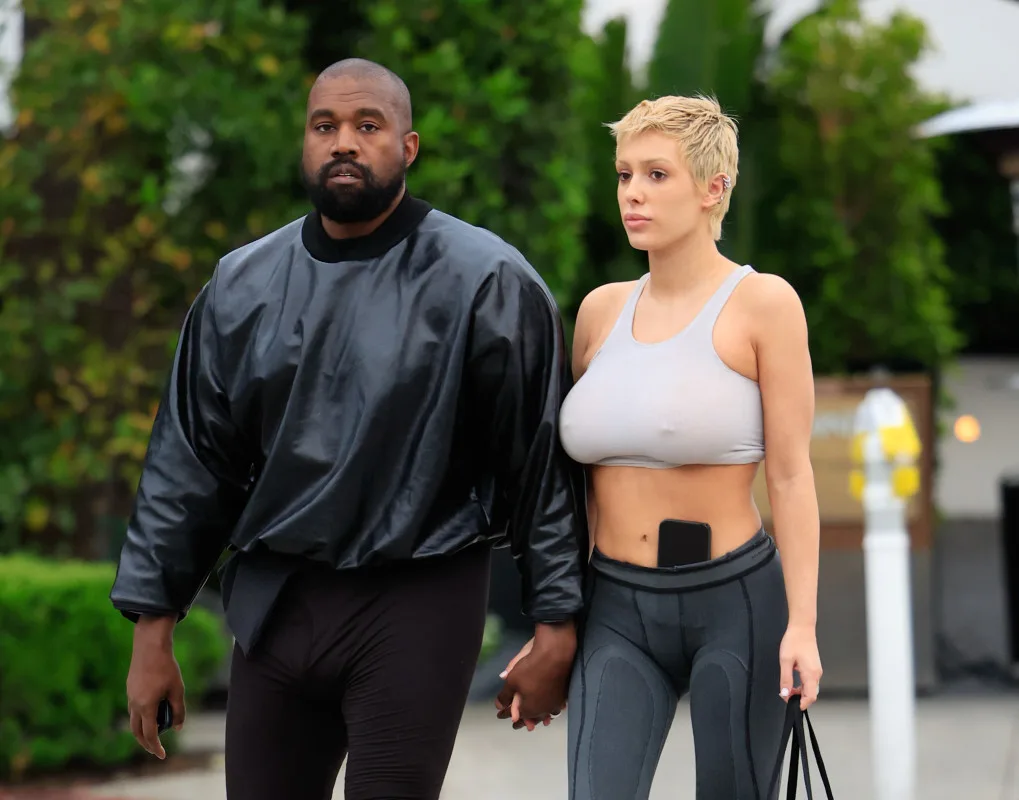
Sources claim that Bianca Censori, Ye’s wife, issued an ultimatum after weeks of mounting tension: seek professional help or face divorce. Friends say the relationship had reached a breaking point, strained not only by public controversy but by erratic behavior and emotional volatility. “It wasn’t about image anymore,” one source alleged. “It was about stability.”
Within days, Ye reportedly traveled to Spain under tight security and checked into a private rehabilitation clinic. The admission, insiders claim, was handled discreetly, with minimal staff aware of his identity upon arrival. While details remain unverified, those familiar with the alleged treatment say the focus was less about substance abuse and more about mental health stabilization and intensive counseling.
The narrative becomes more complex when discussing the reported “joint counseling sessions” held in Switzerland. According to unnamed sources, Ye and Censori participated in structured therapy designed to address communication breakdowns and trust issues. During these sessions, Ye is said to have spoken candidly about his “wants, needs, and vulnerabilities”—phrases reportedly used by therapists guiding the process.
Whether those revelations were transformative or merely strategic remains unclear.
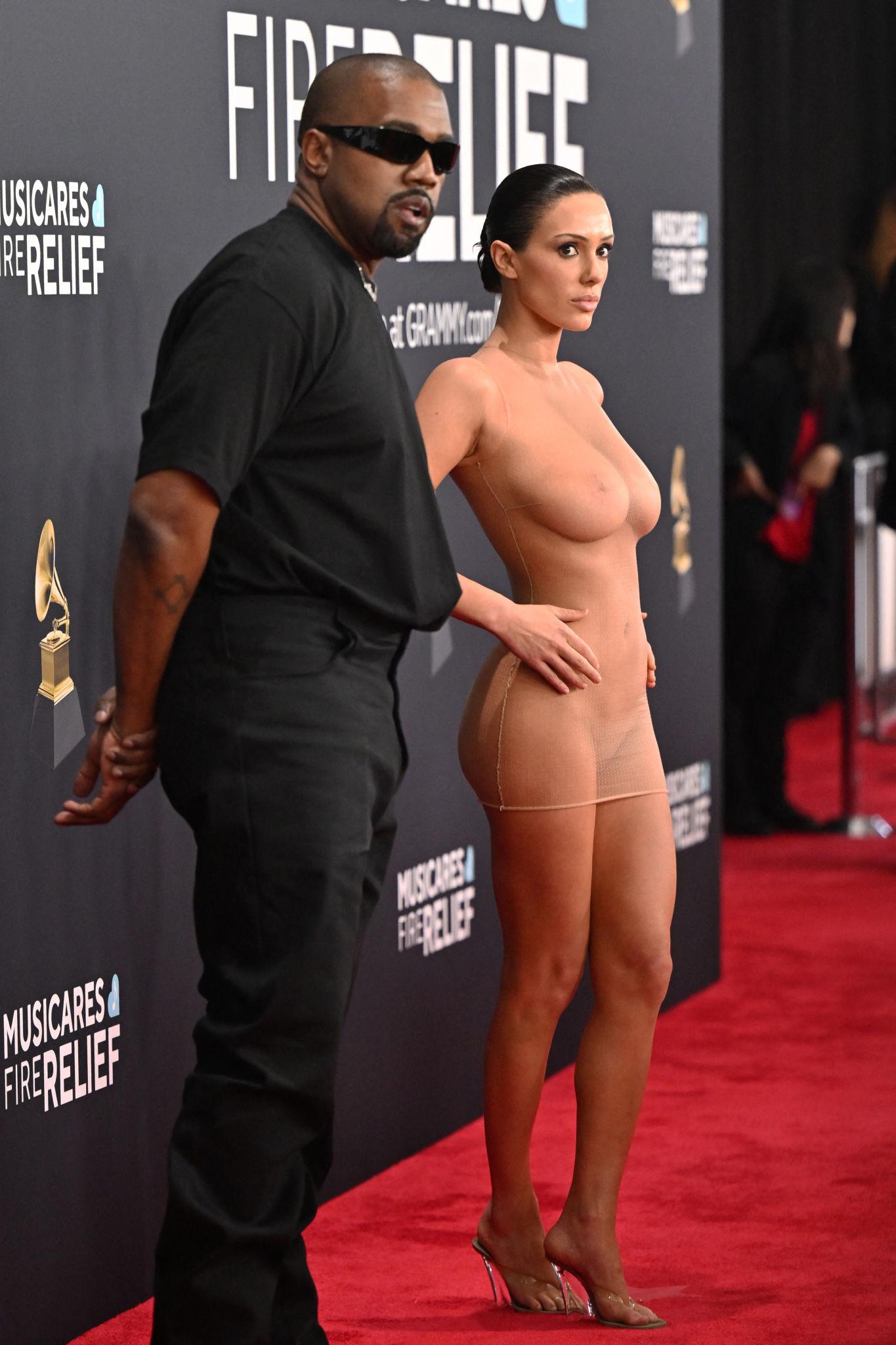
Speculation has also swirled around claims that influential figures within the music and fashion industries are quietly supporting Ye’s recovery efforts. Some observers argue that powerful stakeholders have a vested interest in rehabilitating his public image, given the financial ecosystems tied to his brand. However, no concrete evidence has surfaced to substantiate claims of secret funding arrangements or coordinated silence.
Adding to the intrigue are unconfirmed rumors that a former clinic staff member intends to leak internal records. Legal experts caution that any such disclosure would likely violate strict patient confidentiality laws, potentially triggering swift legal action. For now, no documents have been authenticated, and representatives for Ye have not publicly addressed these specific allegations.
Mental health professionals note that bipolar disorder—something Ye has publicly acknowledged in the past—can involve periods of impulsivity, grandiosity, and extreme mood swings when untreated or improperly managed. Experts stress that medication compliance and structured therapy are critical components of long-term stability. However, they also warn against sensationalizing mental health struggles or reducing complex conditions to tabloid narratives.
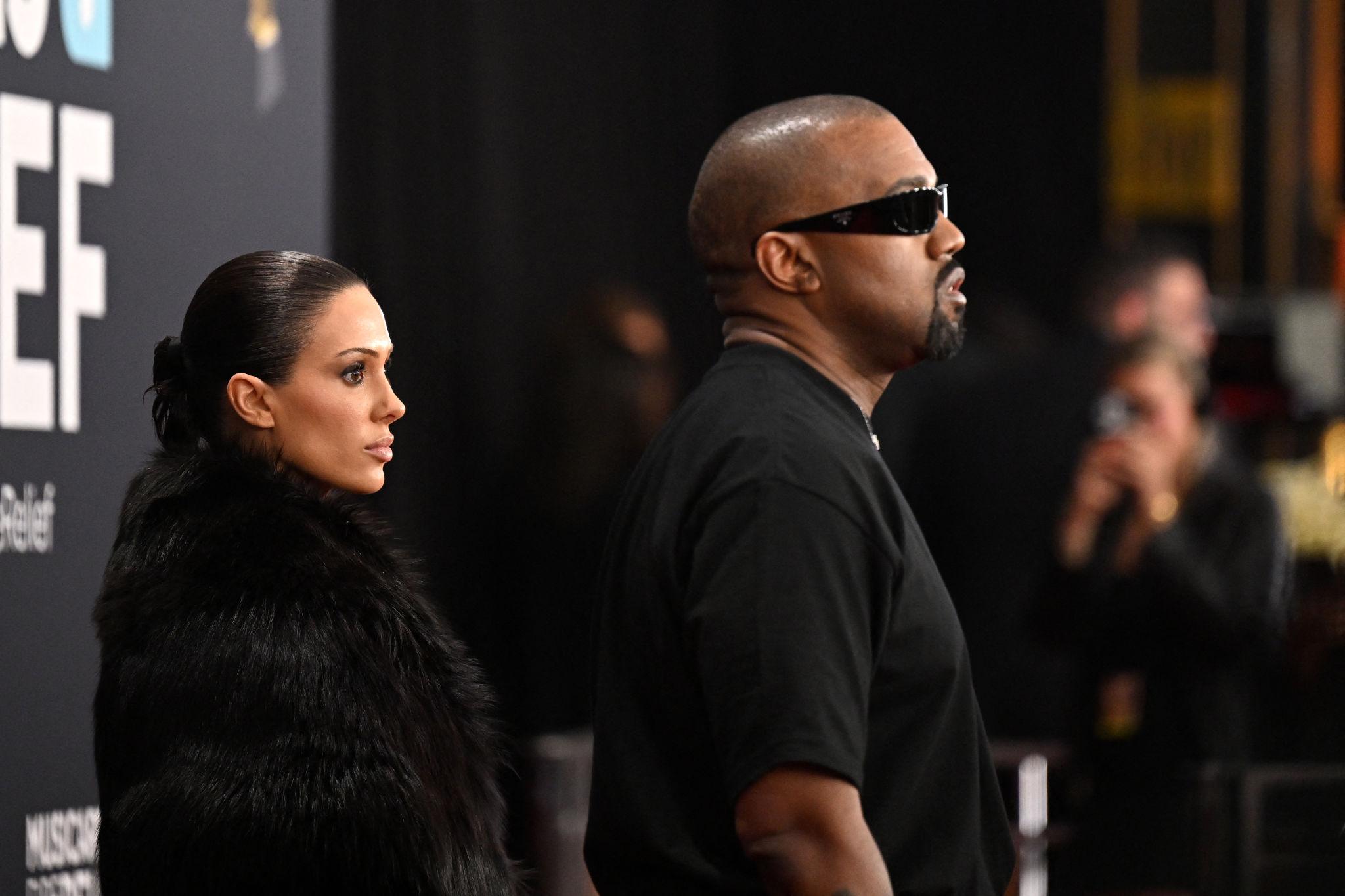
As for Ye and Censori, their current status remains largely private. Public appearances have been limited, fueling further speculation but offering few concrete answers.
In an era where celebrity crises unfold in real time, the line between accountability, redemption, and spectacle grows increasingly blurred. Whether this chapter represents genuine transformation or another dramatic turn in an already turbulent saga may ultimately depend not on leaked records or insider whispers—but on sustained actions beyond the headlines.