APRIL 9, 2026: The Date That Could FREE Diddy—or BURY Him Forever
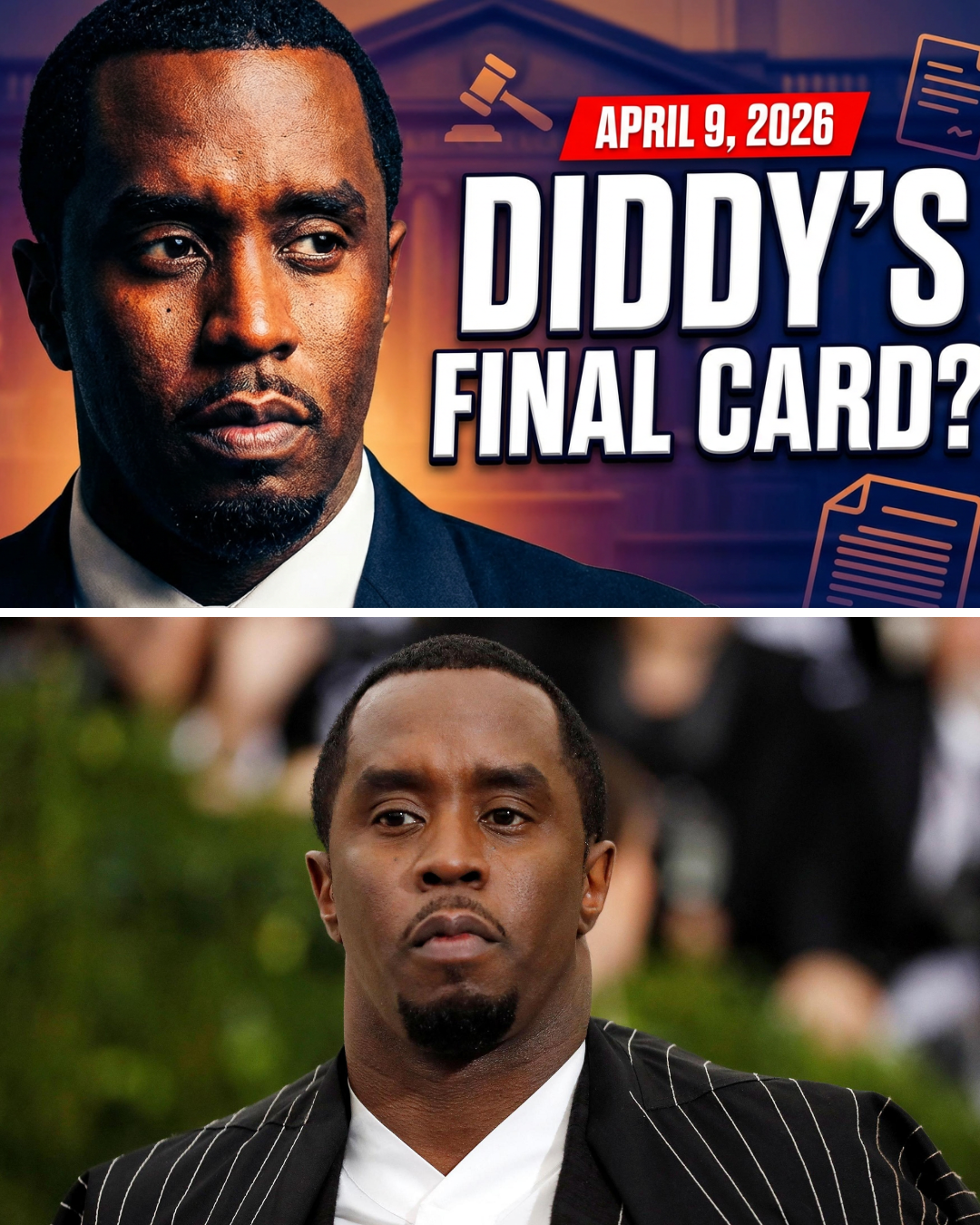
April 9, 2026. In the federal courthouse calendar, it’s just another date. But for Sean “Diddy” Combs, it may mark the most decisive turning point of his life.
After months of legal maneuvering, Combs’ appeal hearing has reportedly been fast-tracked to that spring morning—an acceleration that has fueled speculation across legal and entertainment circles alike. At the center of the strategy is his appellate attorney, Alexandra Shapiro, a seasoned Supreme Court advocate known for complex constitutional arguments and high-stakes reversals.
Her core claim, according to insiders familiar with the filing, is that the Mann Act—the century-old federal statute historically used to prosecute interstate transportation for illicit purposes—is “outdated” and burdened by what she calls a “troubled history.” Originally enacted in 1910, the Mann Act has long been criticized for vague language and controversial applications. Shapiro’s argument reportedly suggests that its interpretation in Combs’ case stretched the law beyond constitutional limits.
But that may only be the surface.
Legal observers whisper that the appeal brief contains more than a historical critique. Some speculate that Shapiro is preparing what one insider described as a “nuclear option”—evidence allegedly suppressed during pretrial proceedings that could fundamentally alter the narrative of the case. Whether that evidence exonerates Combs or exposes deeper liabilities remains the subject of intense debate.
The phrase “suppressed evidence” has become the rallying cry among his supporters. According to rumors circulating in legal circles, the defense may argue that key digital communications and financial records were either improperly excluded or insufficiently disclosed. If substantiated, such claims could open the door to a retrial—not only on the Mann Act–related counts but potentially on broader racketeering allegations that Combs narrowly avoided in earlier proceedings.
Federal prosecutors, for their part, are said to be preparing an aggressive response. Sources suggest that members of the U.S. Attorney’s Office involved in the original case are carefully reviewing every procedural step taken during the investigation. Appeals courts rarely overturn convictions absent clear legal error, but when they do, the consequences can be seismic.
Beyond the criminal dimension lies a parallel storm: the civil lawsuits. Combs faces multiple civil claims tied to alleged misconduct. If the appeal results in a reversal or dismissal, defense attorneys in those cases may move swiftly to challenge the credibility of plaintiffs and reshape settlement negotiations. Conversely, if the appellate court affirms the lower ruling—or orders a retrial with expanded scope—the civil litigation landscape could become even more perilous for the music mogul.
Financial markets are also watching. Combs’ business empire—spanning music, fashion, spirits, and media—has already weathered reputational turbulence. An appellate victory might stabilize partnerships and investor confidence. A loss could trigger additional corporate distancing and contractual fallout.
Legal scholars note that appeals are not about relitigating facts but examining whether the law was properly applied. Shapiro’s strategy reportedly leans heavily into constitutional interpretation, procedural safeguards, and prosecutorial discretion. If she persuades the panel that the Mann Act was misapplied—or that due process was compromised—the ripple effects could extend far beyond one defendant.
Yet appeals are inherently unpredictable. Oral arguments can pivot on a single judicial question. A split panel decision could send the case toward en banc review or even the Supreme Court.
As April 9, 2026 approaches, anticipation is building. Supporters frame it as a chance for vindication. Critics see it as a last-ditch maneuver in a saga that has already reshaped Combs’ legacy.
One thing is certain: when the appellate judges take the bench that morning, the outcome will not merely determine a legal technicality. It may redefine the future of one of hip-hop’s most influential—and controversial—figures.