105 Stolen Childhoods The Lasting Legacy of Lidice’s Youngest Victims During World War II
On June 10, 1942, the small village of Lidice was erased from the map in one of the most devastating civilian tragedies of World War II. In the aftermath of the assassination of Nazi official Reinhard Heydrich, occupying forces carried out a brutal reprisal — not against armed fighters, but against ordinary families.
Among the 105 children taken from Lidice that night, 82 would never return.
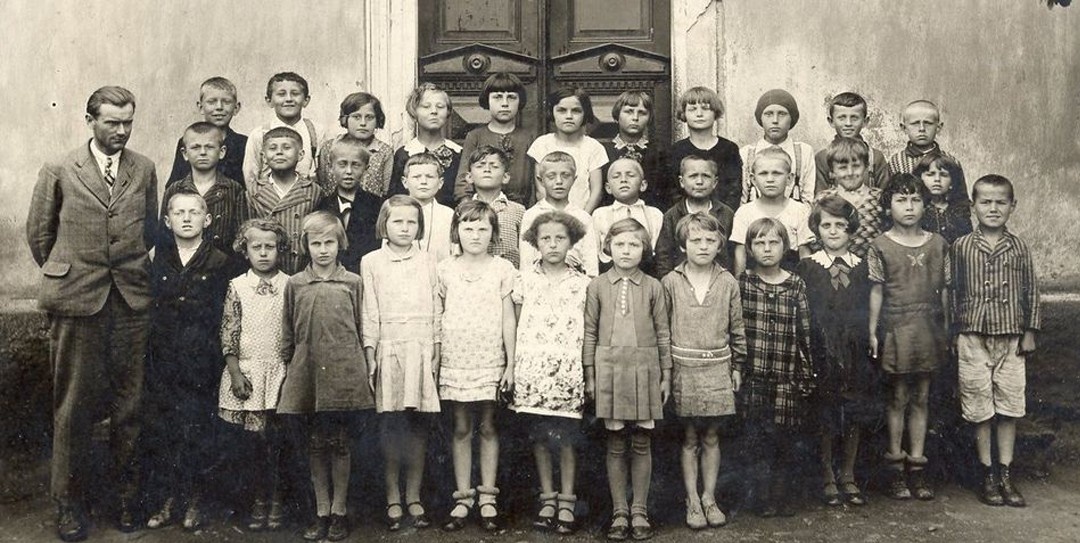
Survivor testimonies and historical records describe how children were separated from their mothers under the pretense of “relocation.” The language used at the time was deliberately calming. Adults were told their children would be resettled and later reunited. For frightened families, these assurances created a fragile thread of hope in an otherwise terrifying situation.
Historians note that such phrasing was not accidental. The promise of reunion functioned as psychological control — reducing resistance, softening panic, and maintaining order during forced transfers. For the children, many of whom were very young, the words likely sounded like reassurance. For their mothers, they were something to cling to in a moment of powerlessness.
The children were first taken to a school in Kladno, then transported to facilities in Łódź, Poland. Conditions were harsh, marked by hunger, illness, and uncertainty. Weeks later, 82 of them were sent to the Chełmno extermination site, where they were killed in gas vans. The process was carried out with chilling bureaucratic precision.
A small number of children were selected for what authorities described as “Germanization” — removed from their heritage and placed into German families. These survivors carried fragmented memories of Lidice into adulthood. Decades later, some worked to uncover their identities and reconnect with surviving relatives.
In 2017, two Lidice survivors met with Pope Francis, an encounter widely seen as an act of remembrance rather than politics. Their presence served as living testimony to a history that could easily have faded into statistics.
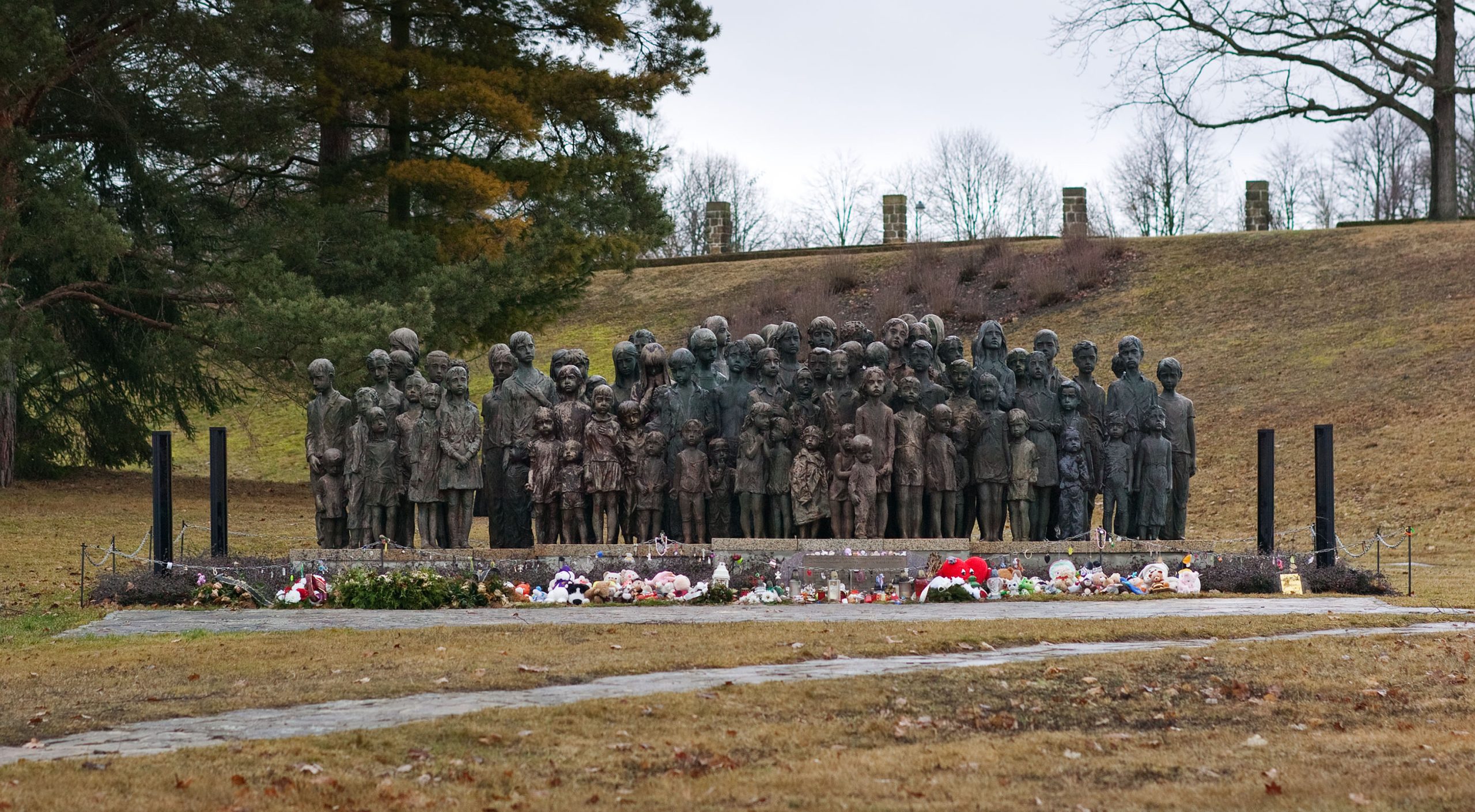
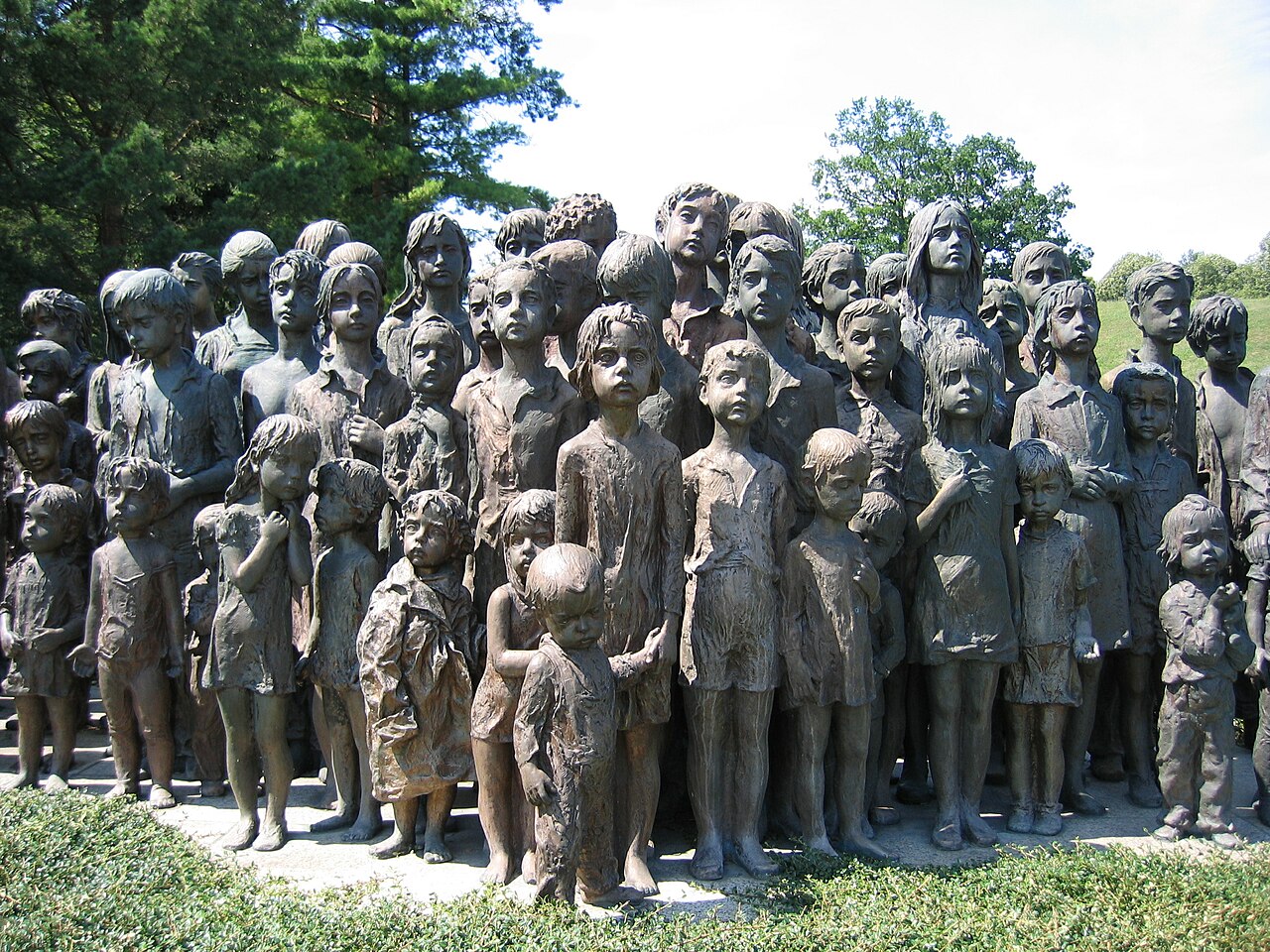
Although the original village was destroyed, Lidice was rebuilt nearby after the war. Today, the site of the old village stands as a memorial landscape. One of its most powerful features is the bronze sculpture group depicting 82 children — each figure representing a life lost. The memorial does not rely on dramatic symbolism; instead, it presents stillness. The children stand quietly, facing forward, inviting reflection rather than spectacle.
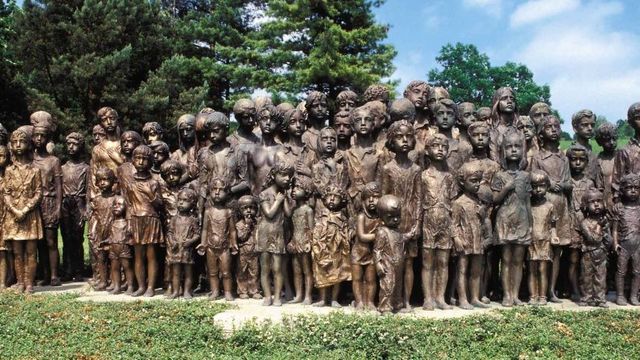
The name “Lidice” was adopted by towns, streets, and newborns around the world during and after the war to ensure it would not vanish from collective memory. In the Czech Republic, the annual International Children’s Exhibition of Fine Arts Lidice invites young people globally to submit artwork in tribute. The exhibition reframes tragedy through creativity, emphasizing continuity of life and expression.
Experts in historical trauma often emphasize how wording shapes remembrance. The false assurances given to the families — that the children were merely being relocated — contrast starkly with the reality that followed. In analyzing these recorded statements, historians highlight how ordinary language was used to disguise extraordinary harm.
At the same time, modern commemorations deliberately use different language: remembrance, dignity, legacy. This shift reflects a broader effort to restore humanity to those who were once reduced to numbers.
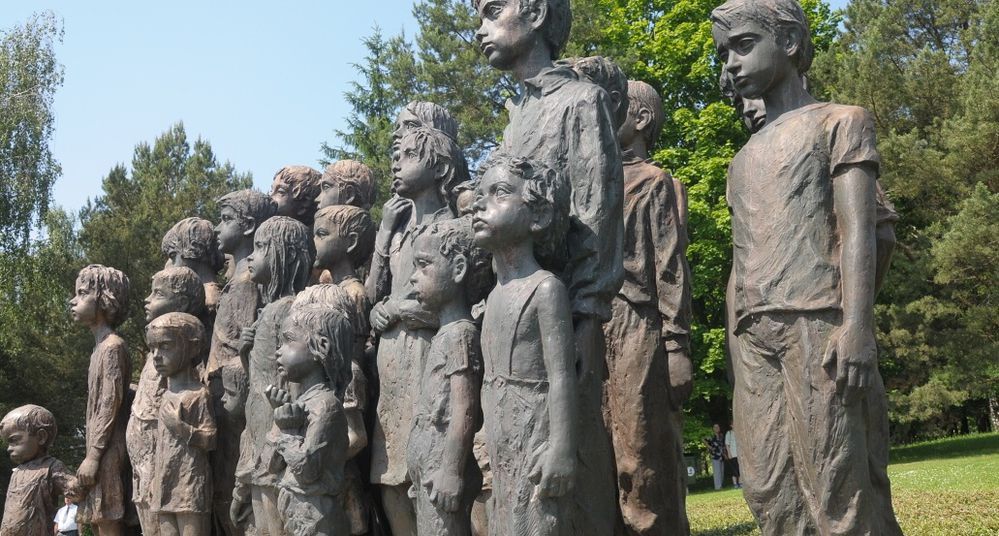
More than eight decades later, the story of Lidice continues to resonate not because of political debate, but because of its human dimension. It is a reminder of the vulnerability of civilians during times of conflict and the long shadow such events cast across generations.
The children of Lidice did not have the opportunity to grow up, build families, or shape futures. Yet through memorials, art, and continued research, their names and stories endure.
In the quiet fields where the village once stood, remembrance has replaced silence. And through that remembrance, Lidice remains present — not as a place erased, but as a chapter of history that continues to call for reflection, empathy, and vigilance.