The Capture of Saddam Hussein: The Night a Former Iraqi Leader Was Found Hiding Underground
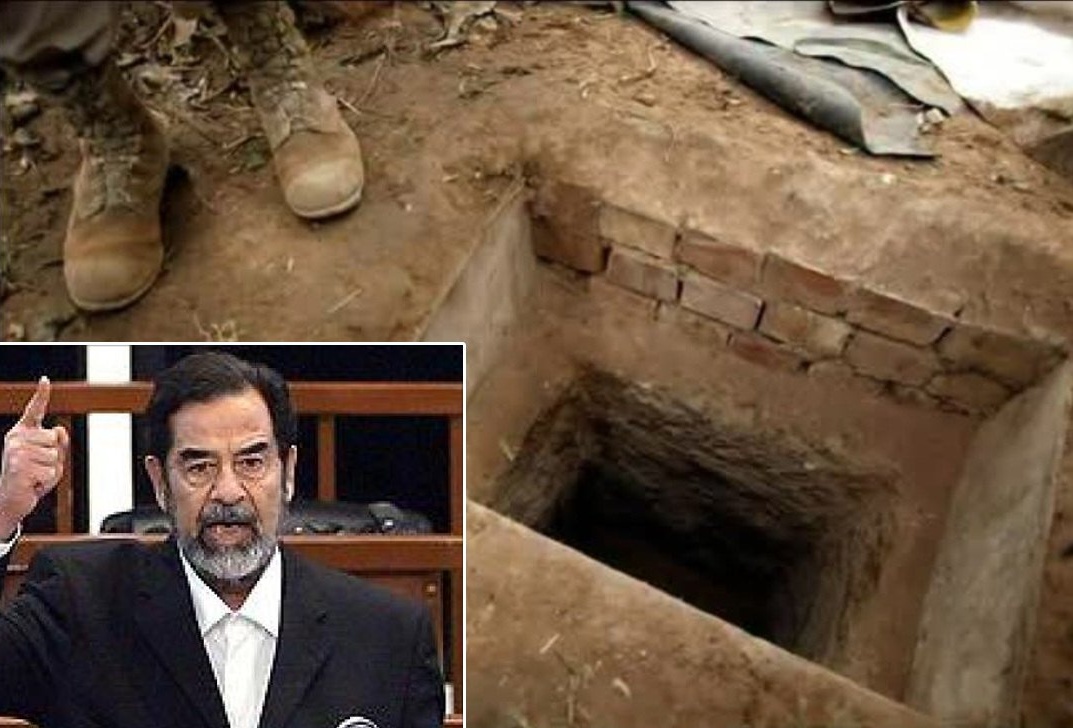
In December 2003, one of the most extensive manhunts in modern military history came to an unexpected end near the city of Tikrit, Iraq. The target was Saddam Hussein, the former president of Iraq, who had gone into hiding following the collapse of his government earlier that year.
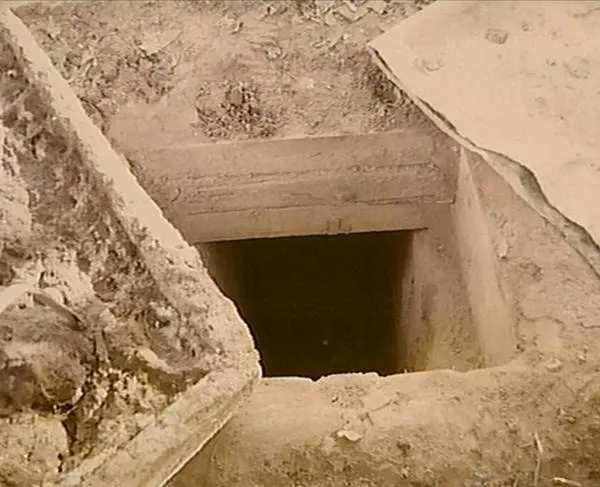
After months of intelligence gathering and coordinated search efforts, U.S. forces located him not in a fortified compound or remote mountain stronghold, but concealed beneath a modest rural property. The hiding place — later widely described as a small underground chamber — was reportedly narrow, concealed under dirt and debris, and equipped with basic ventilation.
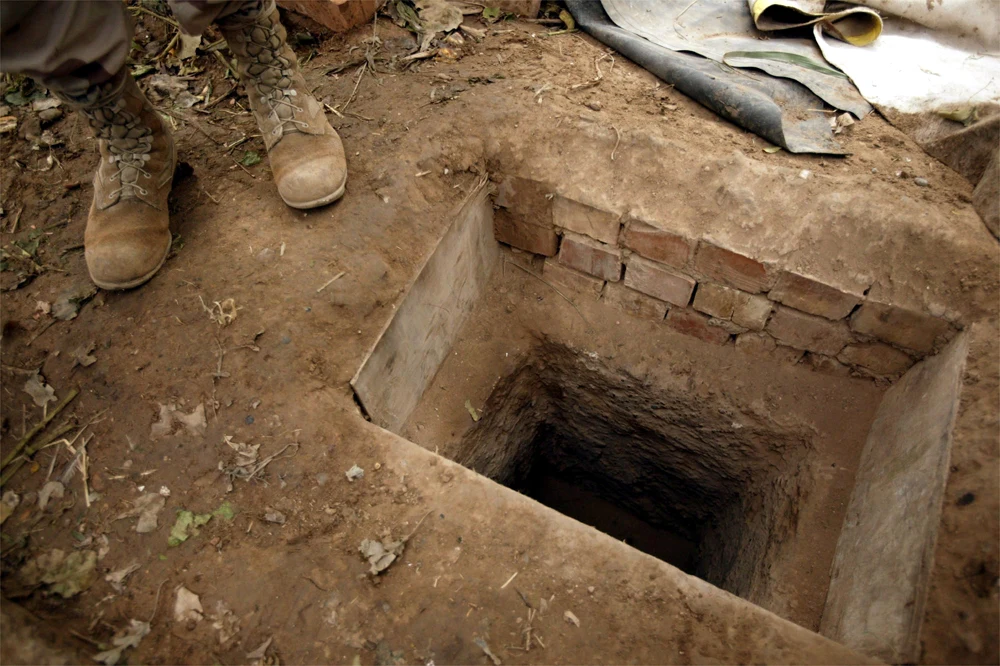
According to military accounts at the time, Hussein was discovered alone. He appeared physically worn and disoriented, with no visible resistance during the operation. A handgun was reportedly found nearby, though it was not used.
The operation, carried out by U.S. military personnel, concluded swiftly once the site was secured. A brief radio transmission from the field soon followed. The phrase “We got him” was transmitted to higher command — a short, direct confirmation that the objective had been achieved.
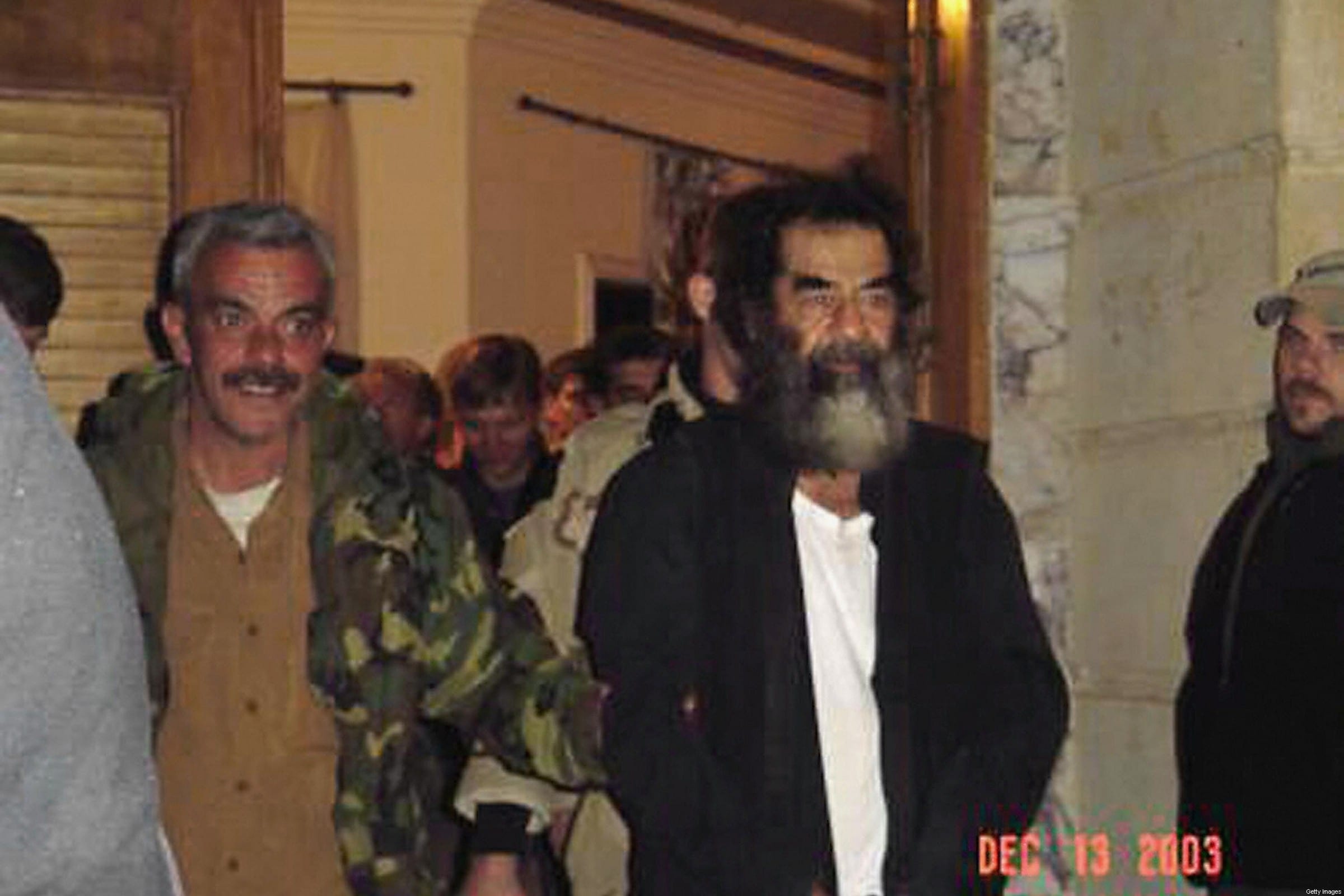
While the words were simple, their impact was significant. The statement reflected the end of a months-long search effort involving intelligence coordination, ground patrols, and regional support. In operational language, such brief confirmations are common in military communications — concise phrasing ensures clarity, avoids confusion, and prevents misinterpretation. In this case, the three-word message conveyed completion of the mission without embellishment or commentary.
The discovery marked a pivotal moment in post-invasion Iraq. Saddam Hussein had governed the country for more than two decades before being removed from power earlier in 2003. His capture formally closed a chapter in the search effort that followed the fall of Baghdad.
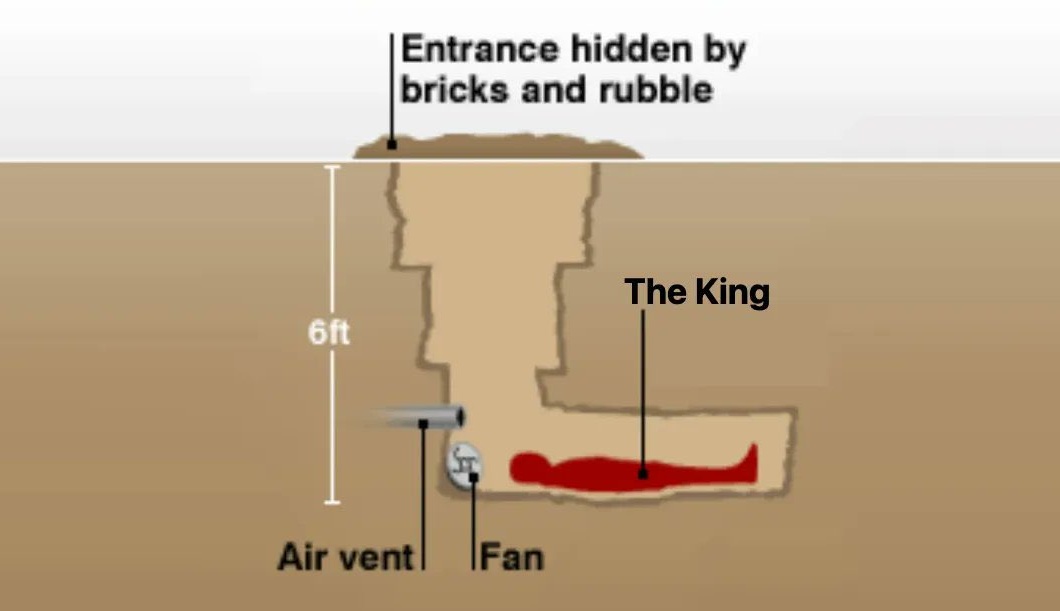
Images released after the operation showed the confined space where he had been hiding. The contrast between his former position of authority and the simplicity of the shelter drew widespread international attention. Observers noted the stark difference between public perceptions of power and the realities of evasion.
Security experts later analyzed the event as a demonstration of sustained intelligence work and local reconnaissance rather than large-scale confrontation. The capture occurred without a prolonged firefight, highlighting how information gathering often plays a decisive role in such missions.
Following his capture, Hussein was transferred into custody and later faced trial under Iraqi judicial authorities.
Historians continue to reference the event as an example of how prolonged search operations can conclude in unexpected ways. The image of a former head of state discovered in an underground hiding place became symbolic of the unpredictable outcomes that can follow major geopolitical upheaval.
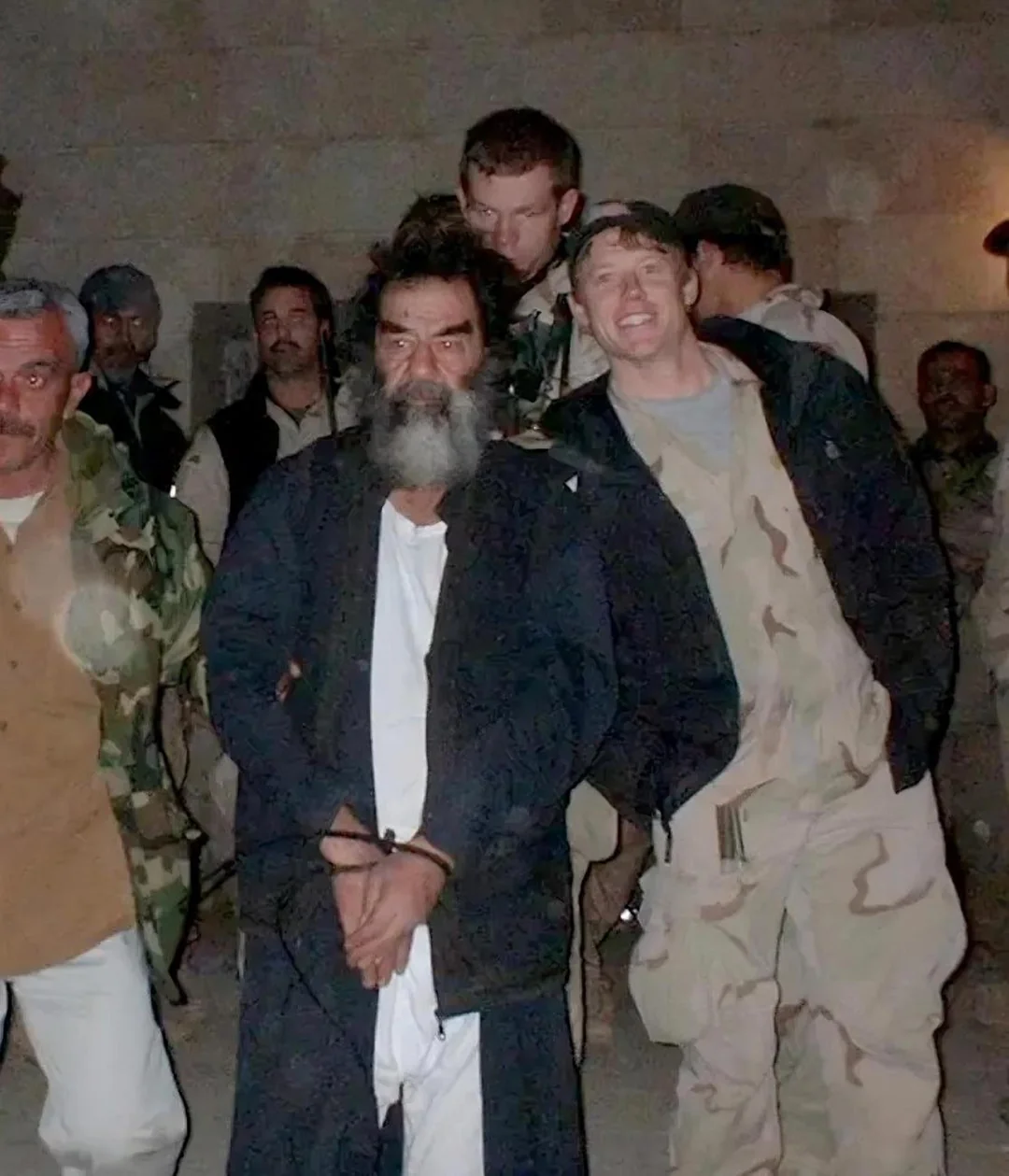
More than two decades later, the night remains a defining moment in early 21st-century history — not because of dramatic confrontation, but because of its abrupt and quiet conclusion.