Sh𝚘𝚌𝚔ing Truth Behind Mother’s 24 Year Disappearance Uncovered After She’s Found Living a Hidden Life
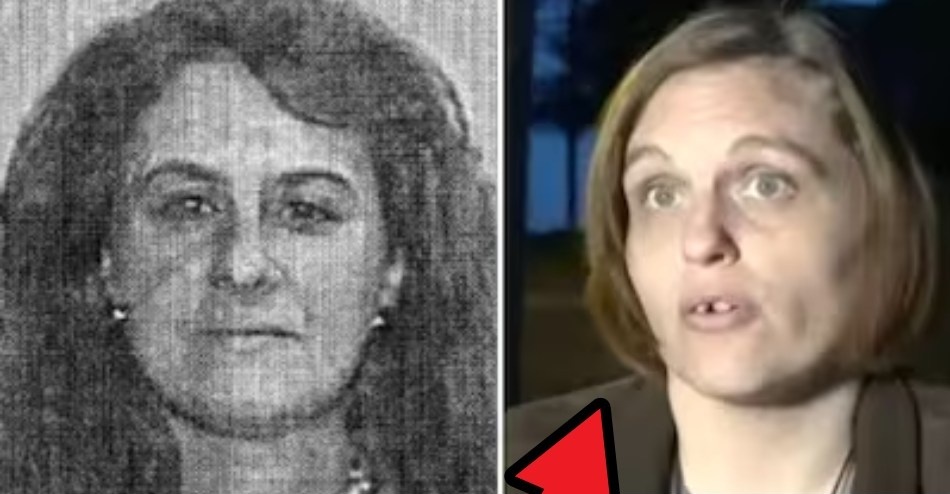
Springfield, Missouri — A disappearance that lingered in quiet uncertainty for nearly a quarter-century has taken an unexpected turn. Michelle Hundley Smith, who left her rural Missouri home in April 2002 and was never formally reported missing, has been found alive, living under a different name in neighboring Arkansas.
The case, which never entered official missing-persons databases, resurfaced earlier this year after a genealogical DNA test submitted by Michelle’s adult daughter produced an unexpected match. Weeks of cautious communication confirmed what once seemed impossible: Michelle was alive.
Michelle, now 56, had been living under her mother’s maiden name in a small Arkansas town. She worked as a part-time bookkeeper, kept a low profile, and maintained no public online presence. Because no missing-persons report had ever been filed and she did not legally change her identity, there were no alerts or investigations tied to her name.

Her disappearance in 2002 had raised private concern but never escalated to official action. On April 14 of that year, Michelle left home after telling her mother she was running errands. Her vehicle was discovered two days later in a retail parking lot about 40 miles away, unlocked, with personal belongings inside. Despite the unusual circumstances, her mother believed Michelle had chosen to leave voluntarily.
“She was struggling,” her mother said in a statement shared through relatives. “Money was tight, the marriage had ended badly, and she kept saying she needed a fresh start. When she didn’t come back, I thought she’d finally done it. I didn’t want to drag her back if that’s what she needed.”
That decision not to involve authorities shaped the next 24 years. Michelle’s two young children were told their mother had “gone away.” Over time, uncertainty hardened into assumption. They grew up believing she had chosen to leave permanently.
When Michelle eventually reconnected with her daughter through DNA messaging, the reunion was described as emotional and complex. According to family members present, Michelle expressed remorse and described the mental and emotional strain she was experiencing in 2002.

“I couldn’t breathe in my own life anymore,” she reportedly told her children during their first in-person meeting. “I thought they’d hate me. I thought I’d ruined everything. So I stayed gone.”
Mental health professionals say such statements reflect patterns often associated with untreated depression and overwhelming stress. Dr. Karen Willis, a licensed family therapist not connected to the case, explains that the phrase “I couldn’t breathe” is frequently used by individuals describing acute emotional distress. “It suggests a state of panic and hopelessness,” Willis said. “But leaving without contact often creates long-term trauma for children, even if the parent believes they are protecting them.”
Michelle’s acknowledgment that shame and fear prevented her return also aligns with what experts call “avoidance escalation,” where the longer a person remains absent, the harder it becomes psychologically to reverse course. Each passing year can deepen fear of rejection and legal consequences, even when those fears may not materialize.
Missouri authorities have confirmed that no criminal charges are pending. Because no official case was opened and her children were cared for by family during her absence, there is no active investigation.
For her children, now adults, the emotional landscape is complicated. In a brief family statement, her son said, “We spent 24 years thinking she didn’t want us. Now we know she was hurting too. It doesn’t erase the pain, but it changes how we understand it.”

That distinction—between explanation and justification—has become central to the family’s healing process. Forgiveness, they say, will take time. Counseling sessions have begun, and both children have indicated they want to understand their mother’s experience without dismissing their own.
Community reaction in the Springfield area has been a mix of shock and reflection. Former neighbors recall Michelle as friendly and attentive. Some have expressed regret that no one pressed harder for answers when she vanished.
Advocates for missing adults note that this case underscores how easily an absence can go undocumented when families assume voluntary departure. Experts encourage filing reports even when foul play is not suspected, as documentation provides long-term clarity and safeguards.
Michelle has reportedly expressed willingness to speak publicly in the future about untreated depression and the consequences of silent withdrawal. For now, she remains focused on rebuilding trust with her children and reestablishing relationships slowly.
What began as a disappearance that faded into family silence has become a story of rediscovery, accountability, and the difficult work of reconciliation. While the years lost cannot be reclaimed, those closest to Michelle say the opportunity to confront the past—together—is a beginning neither side expected to have.