Red Tape and Rising Voices: A Fiery Debate on Freedom in California
- TranThuy
- February 27, 2026
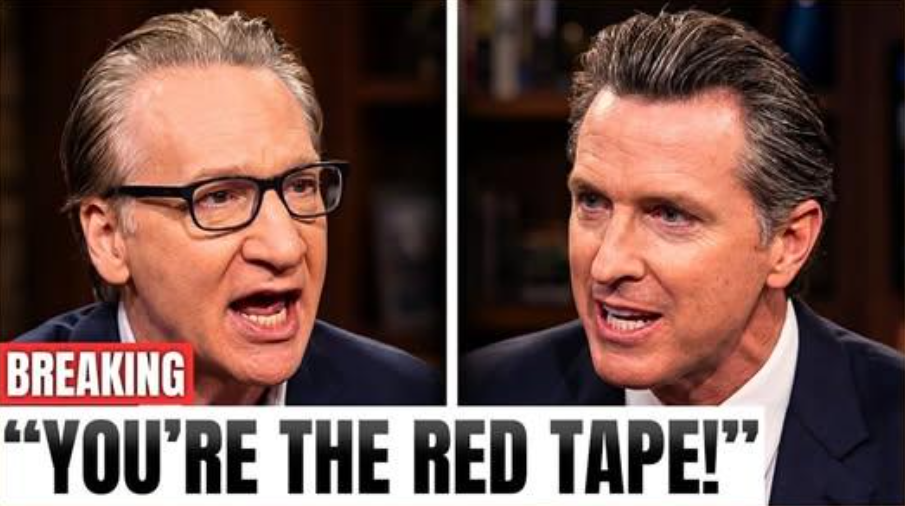
In a blazing, no-holds-barred exchange, Bill Maher and Adam Carolla turned their attention to California, igniting a conversation that quickly spread far beyond the studio lights. With sharp wit and visible frustration, the two commentators criticized what they see as a suffocating web of permits, inspections, and regulations. What began as late-night banter soon felt more like a public reckoning. Their words painted a vivid picture of ordinary citizens struggling to navigate a maze of paperwork just to achieve simple, honest dreams.
Throughout the discussion, humor became both shield and sword. Jokes about endless forms and months-long approval processes drew laughter, yet beneath the comedy lay genuine concern. They described homeowners waiting endlessly for renovation permits, small business owners drowning in compliance costs, and contractors tangled in contradictory rules. The laughter in the room carried an uneasy edge, as if the audience recognized the truth hidden inside the punchlines. Comedy, in this case, became a vehicle for criticism.
At the heart of their argument was the belief that government systems designed to protect people have grown too complex and burdensome. Regulations meant to ensure safety and fairness, they argued, have multiplied to the point where they stifle creativity and ambition. The dream of building a home, opening a café, or launching a new idea can feel less like an exciting adventure and more like an exhausting battle against bureaucracy. In their telling, the red tape has become so thick that it obscures the very purpose it was meant to serve.
Their critique struck a chord not only in California but across the nation. Many Americans, regardless of political affiliation, have experienced the frustration of dealing with slow-moving institutions and confusing requirements. The viral spread of their exchange revealed a shared anxiety about efficiency, accountability, and personal freedom. It tapped into a broader question: when does necessary oversight become unnecessary obstruction? That question lingered long after the applause faded.
However, the debate is far from simple. Regulations often exist for critical reasons—protecting public safety, preserving the environment, and ensuring fair practices. Critics of Maher and Carolla might argue that without oversight, communities could face greater risks and inequalities. The tension, therefore, lies in finding balance. How can governments safeguard citizens without overwhelming them? How can efficiency and protection coexist rather than compete?
Ultimately, the fiery conversation transformed a comedic rant into a meaningful national dialogue. It challenged viewers to reconsider the relationship between citizens and the systems meant to serve them. Whether one agrees or disagrees with their perspective, the exchange underscored a powerful truth: people crave a sense of freedom, clarity, and fairness in their daily lives. When paperwork feels heavier than possibility, frustration is bound to rise—and sometimes, it takes a spark on a late-night stage to set a much larger conversation ablaze.