Clash on the Airwaves: Nigel Farage and a Night of Defiance
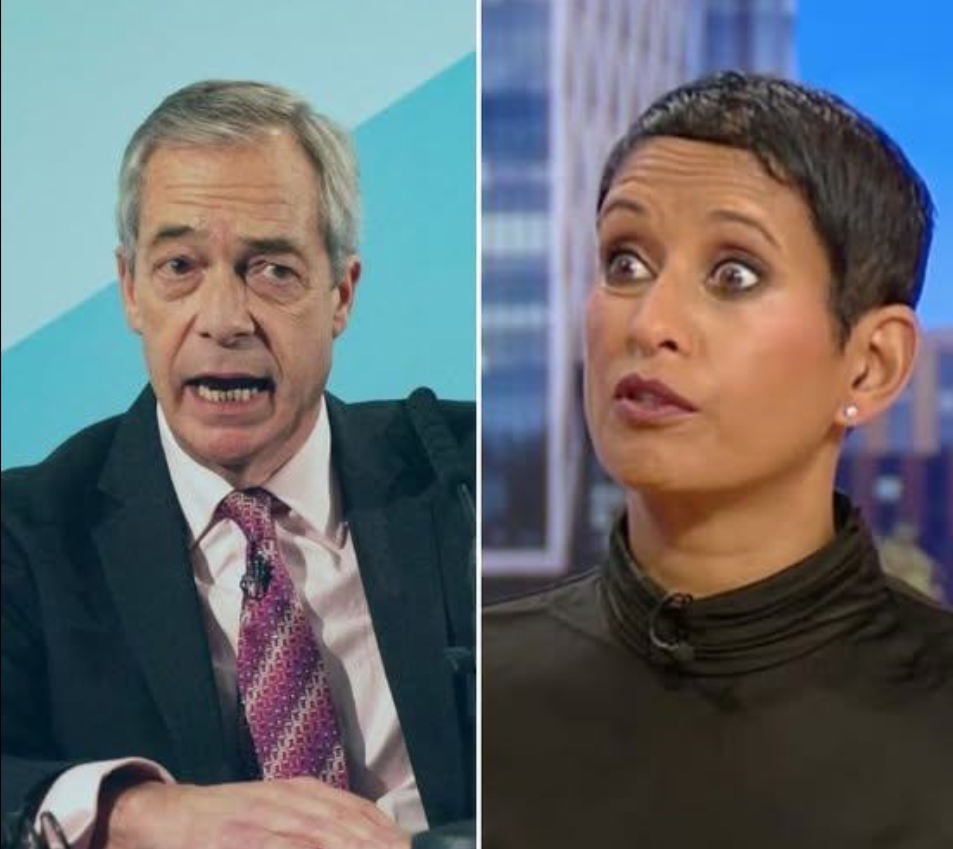
In a fiery live showdown on the BBC, Nigel Farage delivered a performance that left viewers gripping their screens in disbelief. Appearing under the bright studio lights, he faced pointed questions with calm precision and unshakable resolve. What might have been a routine political interview quickly escalated into a charged confrontation, with sharp exchanges and palpable tension filling the room. From the opening moments, it was clear this would not be an ordinary broadcast.
Farage laid out his arguments forcefully, focusing on what he described as a £50 billion welfare burden weighing heavily on the country. He contended that the current system strains public finances while failing to deliver meaningful reform. With carefully measured words, he painted a picture of a nation grappling with unsustainable commitments and a leadership unwilling to confront uncomfortable truths. Each statistic he cited was delivered with deliberate emphasis, as if daring his critics to challenge his arithmetic.
Beyond welfare, he turned his attention to the banking system, which he claims is stacked against ordinary people. Farage argued that regulatory frameworks and financial practices favor large institutions while leaving small businesses and everyday citizens struggling to keep pace. The studio atmosphere shifted as he described a widening gap between financial power and public interest. His remarks struck at a longstanding frustration among many voters who feel excluded from economic prosperity.
He also aimed criticism at both major parties, accusing the Conservative Party and the Labour Party of broken promises and political complacency. According to Farage, voters have grown weary of pledges that dissolve after elections. As the interviewer pressed him, attempting to corner him on specifics and feasibility, he remained composed, refusing to retreat from his central message. The sharp questioning gave way at times to stunned pauses, moments in which the intensity of the exchange seemed to overwhelm the studio itself.
Online, supporters erupted with praise, calling the appearance a bold stand against what they perceive as an entrenched political establishment. Social media platforms lit up with clips and commentary, amplifying the confrontation far beyond its original broadcast. Admirers described the moment as raw defiance, a refusal to bow under pressure. Critics, however, questioned the practicality of his proposals and warned against oversimplified solutions to complex national challenges.
Love him or loathe him, the broadcast became a striking example of modern political theater — conviction colliding with scrutiny in real time. It was television charged with intensity, where policy arguments merged with personality and performance. Long after the cameras stopped rolling, the echoes of that clash lingered, reminding viewers that in today’s political landscape, a single night on live television can reignite debates that shape a nation’s future.