No More Silence: A Tense Reckoning in the House of Commons
- TranThuy
- February 27, 2026

Inside the chamber of the House of Commons, the air turned electric as Rupert Lowe rose to speak. His voice cut sharply through the usual roar of debate, demanding answers over the handling of grooming gang cases and accusing MPs from the Labour Party of years of failure. For a fleeting moment, Westminster seemed to hold its breath. The jeers and murmurs that typically define Prime Minister’s Questions faded into a stunned, heavy silence as the weight of his accusations settled over the chamber.
Lowe’s speech did not revolve around abstract policy disputes or partisan maneuvering. Instead, it reopened wounds that many across Britain believe have never fully healed. The issue of grooming gangs — involving the systematic exploitation of vulnerable young people — has long cast a shadow over local authorities, police forces, and political leaders. Painful questions resurfaced like ghosts that refuse to rest: Were warning signs ignored? Were cultural sensitivities allowed to overshadow safeguarding responsibilities? Were vulnerable victims failed by the very institutions meant to protect them?
As the debate intensified, the clash revealed more than party division; it exposed a national struggle over accountability. Lowe accused previous leadership of downplaying concerns and avoiding difficult conversations. Labour MPs, in turn, rejected sweeping blame and pointed to past reviews, reforms, and prosecutions. Yet beyond the back-and-forth exchanges, the central issue remained unchanged: survivors and their families have waited years for meaningful answers. In that chamber, political rhetoric collided with lived trauma.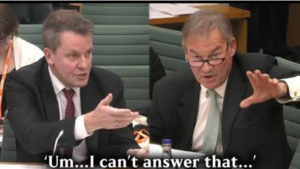
Across Britain, campaigners and advocacy groups watched closely. For them, this was not about scoring points in Westminster but about recognition and justice. Survivors have repeatedly called for transparent inquiries, consistent safeguarding reforms, and a commitment to place victims above political sensitivities. Many argue that speeches, no matter how forceful, must be matched by structural change — improved reporting systems, stronger oversight, and sustained community engagement.
The atmosphere inside Parliament reflected the tension outside it. Some MPs demanded broader national investigations, while others urged caution against politicizing deeply sensitive cases. The challenge lies in balancing rigorous accountability with responsible discourse. When issues involve both criminal justice and social cohesion, the stakes are exceptionally high. Emotions run close to the surface, and trust in institutions can either be restored or further eroded depending on how leaders respond.
Whether this confrontation becomes a genuine reckoning or dissolves into another passing political storm remains uncertain. But for those who have waited years to be heard, the message is clear and unwavering: no more silence, no more delay — just justice. In the end, the credibility of Parliament will not be measured by the volume of its debates, but by the courage of its actions.