A Crown Speaks: Compassion, Controversy, and a Constitutional Crossroads
- TranThuy
- February 27, 2026
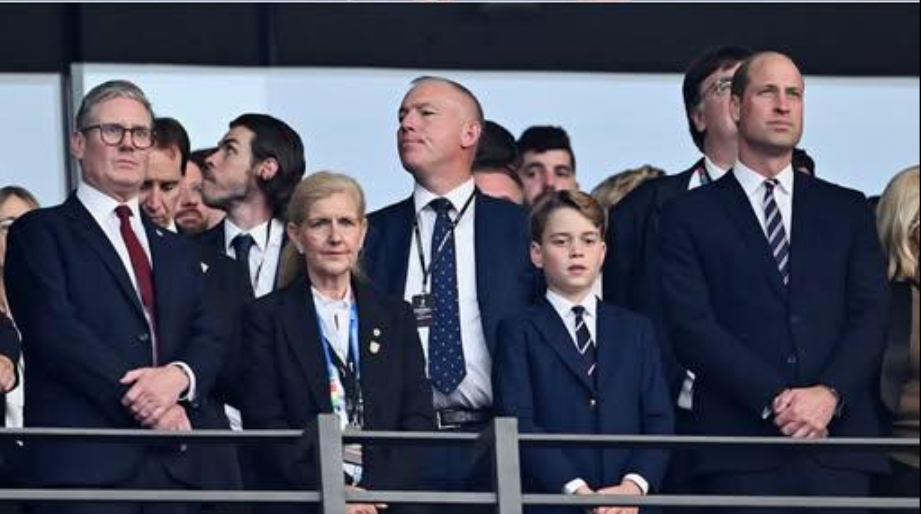
In a moment that felt like history shifting beneath the nation’s feet, Prince William reportedly broke with centuries of royal restraint, declaring, “We cannot remain silent while our citizens suffer needlessly.” The words — calm yet thunderous — were widely interpreted as a pointed rebuke of Keir Starmer and policies associated with the Labour Party, particularly controversial winter fuel payment cuts said to impact millions of pensioners. In a constitutional monarchy built on silence and symbolism, even a carefully phrased sentence can carry seismic force.
For more than 300 years, the British monarchy has navigated politics through strict neutrality. Since the settlement that followed the Glorious Revolution, sovereigns and heirs alike have been expected to advise, warn, and encourage — but never publicly confront elected government. That delicate balance has allowed the Crown to endure wars, abdications, and sweeping social change. If a senior royal were now seen as directly challenging government policy, critics warn, it could signal a constitutional tremor unlike any in recent memory.
Supporters, however, interpret the moment differently. They see not political interference but moral courage — a compassionate response during a period of national strain. Rising energy costs and economic uncertainty have placed intense pressure on elderly citizens living on fixed incomes. For many, winter is not merely a season but a source of anxiety. Against that backdrop, the prince’s reported words resonate less as partisan commentary and more as an appeal to conscience.
Sources suggest that Kensington Palace has received thousands of heartfelt letters from pensioners struggling to heat their homes. Handwritten notes, filled with dignity and quiet resilience, describe the stark choices between warmth and other essentials. Such correspondence, if accurate, would place the royal household in a deeply human position — reading firsthand accounts of hardship while bound by tradition to remain above political fray.
Meanwhile, Westminster reels. Commentators debate whether this represents a dangerous erosion of constitutional norms or a necessary acknowledgment of public distress. Allies of the government caution against blurring the lines between symbolic leadership and legislative authority. Others argue that when the most vulnerable feel unheard, even longstanding conventions may face pressure. The monarchy’s strength has long rested on its ability to reflect national sentiment without dictating policy — a balance now under scrutiny.
Is this a royal overstep, or a compassionate stand in extraordinary times? The answer may depend less on legal interpretation and more on public perception. In Britain’s unwritten constitution, precedent is shaped as much by restraint as by statute. As the country watches with breath held, the aftershocks ripple through its political heart. Whatever history ultimately records, this moment underscores a timeless truth: even in a system defined by tradition, the call to protect the vulnerable can test the very boundaries of silence.