Rumor and Reality: The Digital Storm Around Prince Harry
- TranThuy
- February 27, 2026
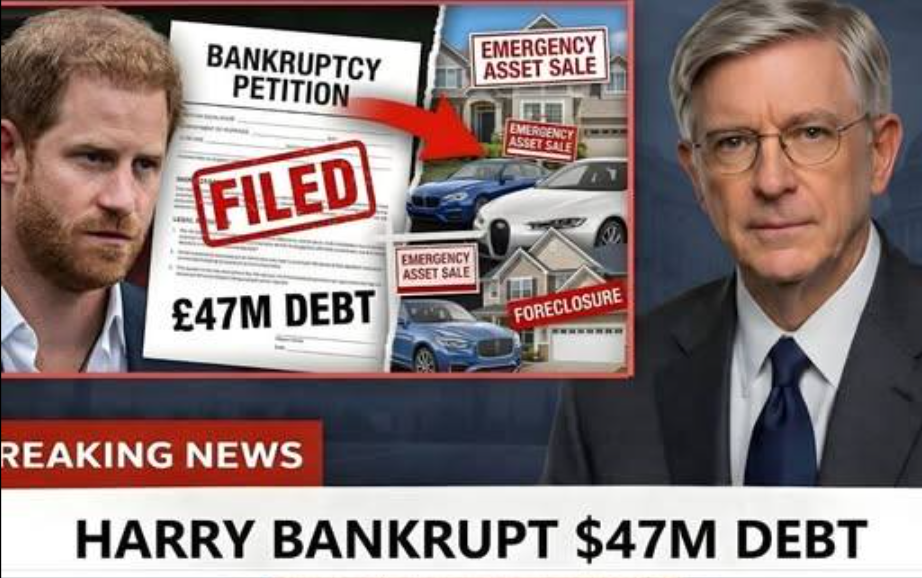
Rumors swirled across social media this week claiming that Prince Harry had filed for Chapter 7 bankruptcy, citing staggering debts and the alleged forced sale of his Montecito home. Headlines painted a dramatic picture of financial collapse — a supposed $47 million burden, emergency liquidation, and the downfall of what some described as a post-royal empire. The story spread rapidly, fueled by eye-catching thumbnails and urgent captions that encouraged readers to click before questioning.
Yet despite the viral momentum, there is no verified public record or credible reporting confirming that Prince Harry has filed for bankruptcy or been ordered to liquidate his assets. Claims of this magnitude would require formal court filings and would be widely reported by established financial and legal news organizations. Bankruptcy proceedings, especially involving a public figure of such prominence, are matters of public record and attract immediate scrutiny. As of now, reputable outlets have not substantiated the allegations circulating online.
The speed at which the rumor traveled highlights the volatility of the digital age. Social media platforms amplify emotionally charged narratives, particularly those involving wealth, royalty, and perceived downfall. A single unverified post can cascade into thousands of shares within hours, blurring the line between speculation and fact. In this case, dramatic language — “collapse,” “liquidation,” “financial ruin” — intensified curiosity and outrage, even in the absence of documented evidence.
The fascination itself reflects something deeper: the world’s enduring interest in life after royalty. Since stepping back from senior royal duties in 2020, Prince Harry and Meghan Markle have pursued independent ventures in media production, publishing, and philanthropy. Their transition from working royals to private entrepreneurs has unfolded under relentless public scrutiny. Successes are magnified, but so too are setbacks — real or imagined.
This dynamic reveals a broader cultural pattern. Public figures, especially those with royal connections, often become symbols onto which larger narratives are projected: ambition, rebellion, triumph, or failure. Financial rumors tap into those narratives because money represents stability, independence, and power. When audiences believe those pillars are shaking, the story becomes irresistible — regardless of whether the foundation is factual.
In the end, the episode serves as a reminder that facts matter. Behind every viral headline are real individuals and families whose reputations can be affected by unverified claims. In a media environment driven by speed and spectacle, discernment becomes essential. Before accepting dramatic stories at face value, readers must ask a simple question: where is the evidence? Without it, even the loudest rumor remains just that — a rumor.