My Mind Just Collapsed.” — Ruby Wax on Surviving the Darkness

For years, the world saw Ruby Wax as sharp, fearless, hilariously unfiltered. The quick wit. The biting interviews. The chaos wrapped in comedy.
What they didn’t see was the private battle.
In interviews and in her writing, Wax has spoken openly about severe clinical depression — the kind that doesn’t lift with a good day or a funny moment. The kind that, at its worst, led to psychiatric hospitalization when her mind simply couldn’t sustain the pressure anymore.

She has traced much of that pain back to childhood trauma and years of internalized distress. For a long time, she functioned. She performed. She succeeded.
But depression doesn’t care about applause.
At her lowest, she has described feeling like her brain had “shut down,” as if the operating system had failed. Not dramatic. Not theatrical. Just blank and unbearable.
And here’s the part that hits hardest:
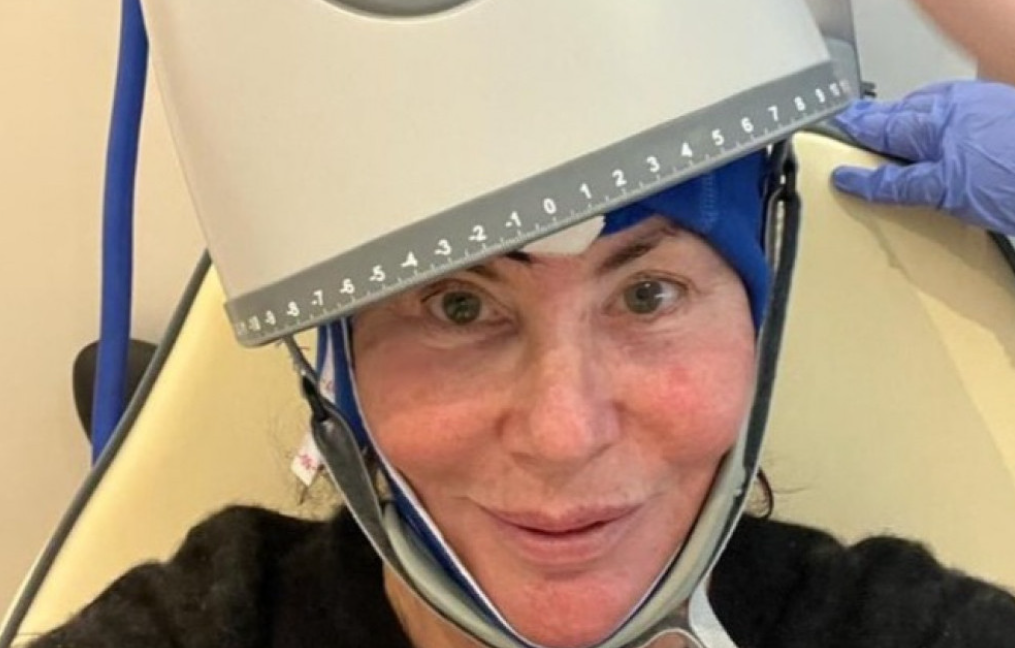
The humor people consumed as entertainment was, in many ways, her survival mechanism.
Comedy wasn’t denial. It was oxygen.
Over time, Wax didn’t just recover — she studied the science of the mind, earning a master’s degree in mindfulness-based cognitive therapy from Oxford and becoming a mental health advocate. She turned lived experience into education, speaking publicly about the biology of depression, the stigma surrounding it, and the myth that success protects you from mental illness.

Her story isn’t about “overcoming” in a tidy, movie-ending way.
It’s about managing.
Understanding.
Rebuilding.
And speaking the truth out loud so others feel less alone.
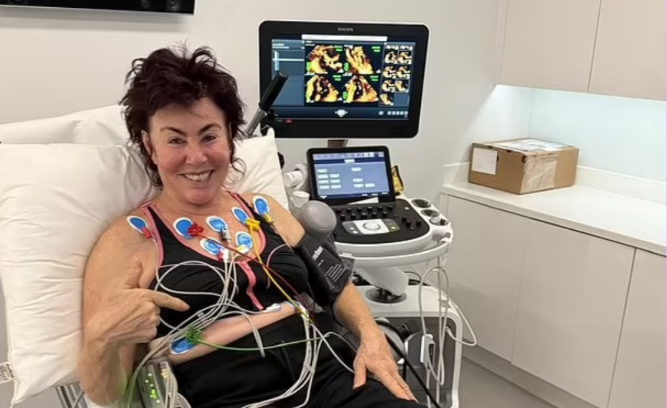
There’s something powerful about someone saying:
“I broke. And I’m still here.”
If this topic resonates with you personally, I’m here to talk — and if you ever feel overwhelmed in real life, reaching out to a trusted person or a local mental health professional can make a huge difference. You don’t have to carry heavy things quietly.