Federal Forces Break Up Multi-State Trafficking Network — 40 Arrested, Key Figures Still at Large
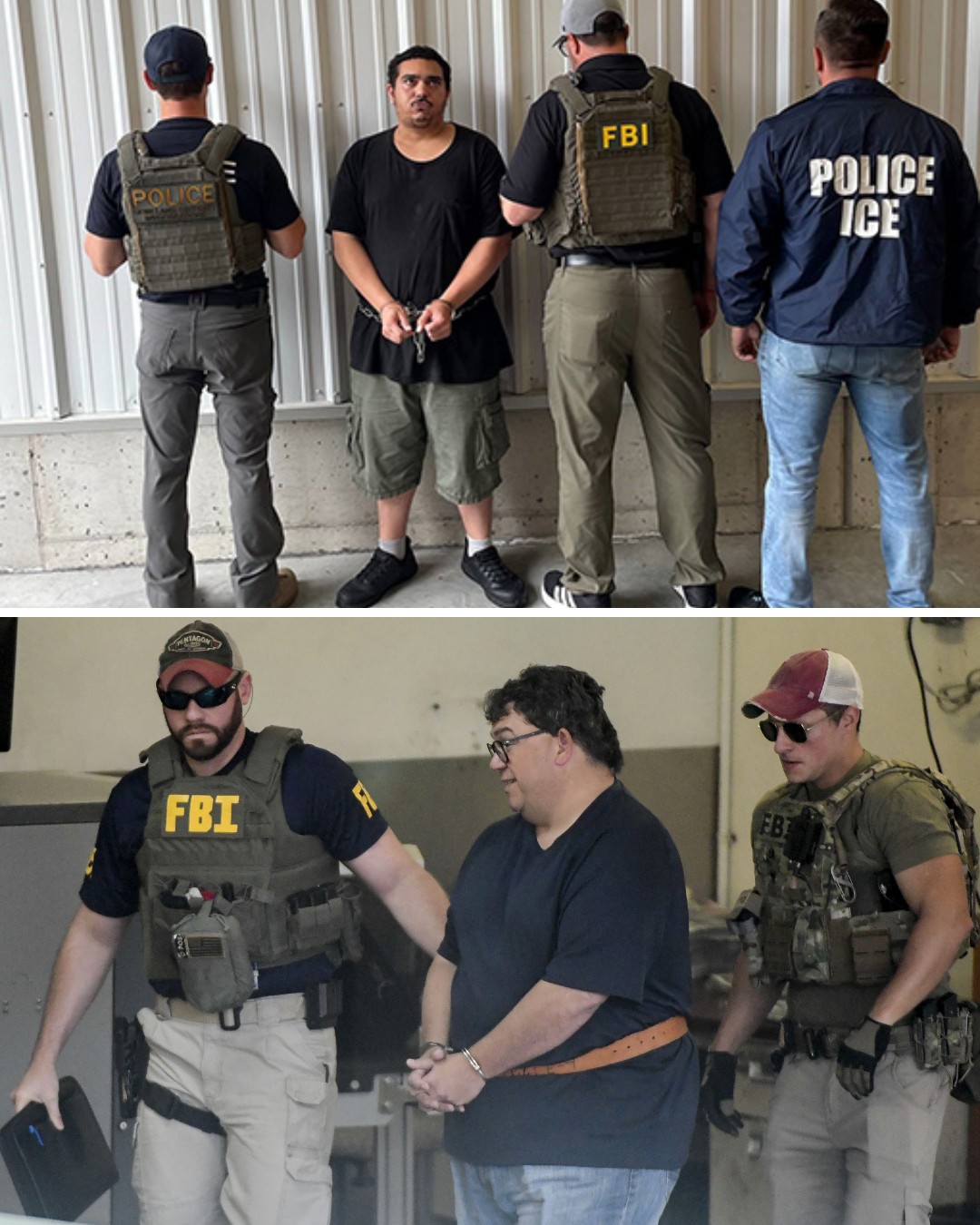
Federal law enforcement agencies have announced the dismantling of a sprawling multi-state trafficking organization following an extensive investigation conducted over several months. The operation, led jointly by the Federal Bureau of Investigation (FBI) and U.S. Immigration and Customs Enforcement (ICE), resulted in the arrest of 40 individuals and the seizure of significant quantities of illegal contraband and financial assets. Despite these significant disruptions, authorities acknowledge that several principal orchestrators of the network remain unidentified and at large.
According to officials familiar with the case, the trafficking network spanned numerous states and involved a complex web of couriers, local distributors, and financial facilitators. Investigators characterized it as a highly coordinated enterprise that moved illicit goods — including controlled substances and potentially smuggled merchandise — across state lines while obscuring its financial trail through shell companies and cash-based transfers.
The operation began in earnest after federal agents received credible intelligence indicating that standard investigative avenues had been compromised. Surveillance teams, intercept operations, and coordinated undercover assignments were deployed to map the network’s structure and logistics. Investigators noted that members of the ring utilized encrypted communications and frequently rotated transport routes in an effort to evade detection.
In a series of synchronized law enforcement actions executed in multiple jurisdictions, tactical teams apprehended suspects at residences, warehouses, and transit hubs. During these raids, agents confiscated sizable quantities of narcotics, firearms, and other contraband, along with large sums of unaccounted cash believed to be proceeds of criminal activity. Digital devices, financial records, and encrypted storage media were also seized for forensic analysis.
Authorities confirmed that 40 individuals have been taken into custody on various federal charges, including conspiracy, interstate trafficking, money laundering, and obstruction of justice. Several of those arrested are believed to have served in intermediary roles — coordinating shipments, managing logistics, or facilitating financial transactions — rather than acting as the strategic leaders of the enterprise.
Despite these arrests, federal officials acknowledged that the operation represents only a partial victory. Investigators stressed that the most influential figures behind the organization — often referred to in case filings and informant testimony as the network’s “principal organizers” — remain unidentified. These individuals are believed to be protecting their identities through layered intermediaries and by leveraging clandestine communication methods, complicating efforts to fully dismantle the enterprise.
The FBI and ICE have indicated that the investigation remains active. Agents are continuing efforts to trace financial flows, analyze digital forensic material, and pursue leads that could reveal the identities and locations of the remaining leaders. Prosecutors have also advised that additional charges and indictments may be forthcoming as evidence is further developed.
In public statements, senior agency officials emphasized that the arrests and seizures represent a significant disruption to the trafficking network’s operations but are not the end of the investigation. “We have undeniably dismantled key segments of this organization,” one official commented. “Yet, until the principal architects of this network are apprehended, the threat remains.”
Local law enforcement partners, who assisted in the operation, highlighted the collaborative nature of the effort. By sharing intelligence across federal, state, and local boundaries, authorities were able to synchronize their actions and execute complex warrant service operations with minimal risk to officers and community members.
Civil rights groups and criminal justice advocates have underscored the need for transparency and due process as the judicial proceedings unfold. While the scale of the arrests signals a major enforcement milestone, these advocates stress that defendants are entitled to fair legal representation and that ongoing operations must respect constitutional safeguards.
The broader implications of the bust are expected to resonate through judicial and enforcement communities. Analysts note that long-standing issues involving interstate criminal networks often require sustained cooperation across agencies, particularly when such rings exploit gaps in oversight and monitoring frameworks.
As federal prosecutors prepare for trial schedules and pre-trial motions, the focus will remain on unraveling the full scope of the trafficking network. Law enforcement officials have reiterated that identifying and apprehending the organization’s leadership is a top priority — one that will require continued investigative rigor, interagency coordination, and the support of community partners.