At Least 73 Dead After Capture of Cartel Leader Sparks Widespread Violence in Mexico
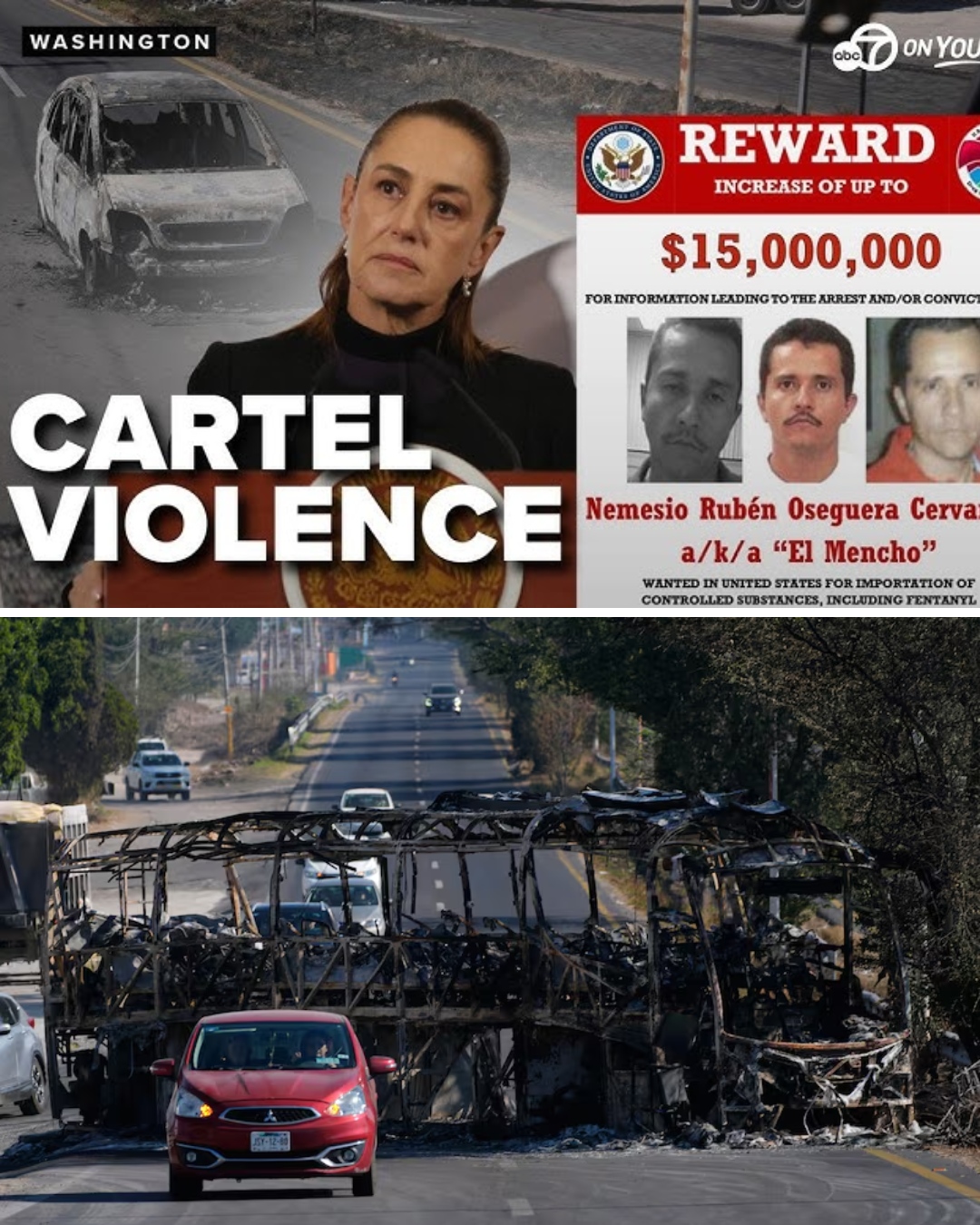
Authorities in Mexico confirmed that at least 73 people have died in connection with an intense security operation that culminated in the killing of one of the country’s most notorious cartel leaders and the subsequent wave of violent retaliation that erupted across multiple states.
The military-led operation, conducted in the mountainous region of Tapalpa, Jalisco, targeted Nemesio Rubén Oseguera Cervantes, widely known as “El Mencho,” the founder and long-time leader of the Jalisco New Generation Cartel (CJNG). The CJNG is considered one of Mexico’s most powerful and violent criminal organizations, with deep involvement in drug trafficking, extortion, and attacks on state forces.
According to official accounts, Mexican security forces located El Mencho after tracking a close associate to his hideout. A pre-dawn engagement ensued between cartel gunmen and soldiers, resulting in significant combat before Oseguera Cervantes and several of his bodyguards were fatally wounded and later pronounced dead en route to medical facilities.
The killing of such a high-profile figure immediately triggered widespread unrest. Cartel elements loyal to El Mencho reportedly orchestrated violent reprisals across at least 20 Mexican states, erecting roadblocks, burning vehicles, and engaging in armed clashes with authorities and rival factions. Videos circulating from towns including Guadalajara and Puerto Vallarta showed smoke rising over city streets and major transport disruptions as security forces struggled to restore order.
Local officials provided preliminary casualty figures indicating that the at least 73 fatalities include members of security forces, suspected cartel fighters, and civilians, underscoring the chaotic nature of the unrest and the difficulty authorities face in distinguishing among combatants and bystanders in such confrontations.
The violence that followed El Mencho’s demise reflects a broader pattern seen in Mexico’s decades-long struggle against organized crime: removing a cartel leader can create a power vacuum that rival groups or fragmented factions exploit, often resulting in surges of retaliation and internal conflict. In this instance, the CJNG’s extensive structure and territorial reach have contributed to the rapid spread of disturbances far beyond the site of the initial operation.
The Mexican government has mobilized additional National Guard units and military personnel to reestablish security in affected regions, while both local officials and foreign missions have issued warnings urging residents and visitors to avoid high-risk areas and comply with shelter-in-place directives when necessary.
President Claudia Sheinbaum and federal security ministers have acknowledged the severity of the situation while urging calm. Officials stated that restoring stability will require sustained efforts and reinforced operations against cartel infrastructure, even as concerns grow about follow-on violence and its broader impact on Mexican society and public safety.
The death of El Mencho marks a significant moment in Mexico’s campaign against organized crime. Analysts caution, however, that tactical successes against individual leaders must be paired with deeper reforms and intelligence-driven strategies to prevent further escalation and to achieve lasting reductions in cartel-related violence.