Federal Crackdown on Alleged Homeless Funds Corruption Shakes California Politics
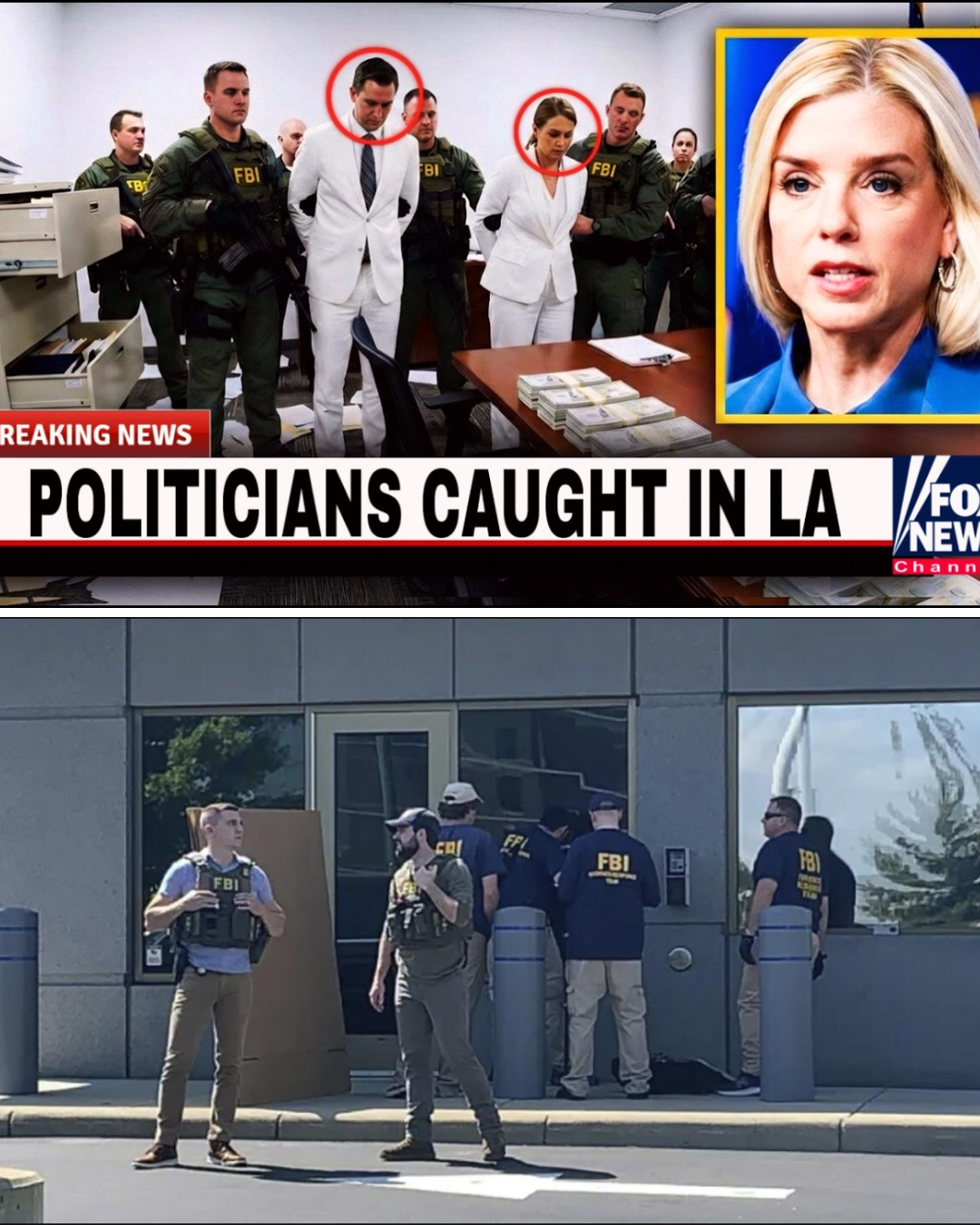
In a dramatic unfolding of federal law enforcement action, the Federal Bureau of Investigation (FBI) and U.S. Department of Justice have launched an expansive investigation into alleged corruption tied to public funds intended to address California’s homelessness crisis. The probe, which now targets prominent figures connected to Los Angeles politics and major nonprofit housing initiatives, has sparked intense scrutiny of how taxpayer dollars are managed in one of the nation’s most high-profile social policy arenas.
The investigation centers on allegations that hundreds of millions of dollars earmarked for homelessness relief may have been misused through complex property deals, inaccurate financial reporting, and improper influence. According to social media and online summaries of the video coverage circulating about the case, federal agents are reportedly seeking information from top city officials — including the mayor of Los Angeles and a former state senator — as they trace the flow of public funds through nonprofit and private intermediaries.
While official DOJ filings and press statements have not confirmed every detail suggested online, independent reporting prior to the video’s release reveals that a federal task force — assembled amid growing concern about oversight failures — has already brought charges against developers and housing executives for allegedly defrauding both state and city homeless funding programs.
One key case involves Steven Taylor, a Brentwood-based property developer who was arrested on charges related to bank fraud, identity theft, and money laundering. Prosecutors allege Taylor acquired property under false pretenses and then used public funds intended for affordable housing to profit from resale deals, in one instance doubling the value of a senior housing property purchased with government grant money.
Another defendant, Cody Holmes, a Beverly Hills developer, has also been federally charged for allegedly submitting fabricated financial information to secure millions in Homekey state grant money — funds designed to convert existing buildings into supportive housing for people experiencing homelessness. These actions, prosecutors argue, diverted legitimate funding away from its intended purpose and undermined public trust in the state’s response to a growing human crisis.
The FBI’s involvement reflects the severity of the allegations and the scale of the funds at issue. Acting U.S. Attorney Bill Essayli, who heads the task force, emphasized the importance of accountability in the distribution and use of public money, warning that federal authorities will investigate and prosecute fraud wherever it occurs, especially when vulnerable populations are at stake.
Additionally, local news investigations have shed light on controversial property transactions in Los Angeles that raise questions about transparency and valuation. For example, media reporting revealed a city-backed purchase of a senior housing property that dramatically increased in price within months, attracting federal attention to potential conflicts of interest in how publicly funded housing assets were selected and financed.
The implications of this federal probe extend beyond courtrooms to the heart of California’s political culture. Los Angeles Mayor Karen Bass has publicly stated her office will cooperate fully with investigators, reiterating a commitment to ethical governance even as the allegations swirl. Yet critics argue that without systemic reform and stronger financial oversight mechanisms, similar problems could occur in other social service programs across the state.
This investigation also resonates with broader national concerns about the management of public funds in the housing sector. In recent years, separate cases in California have seen nonprofit leaders charged with misappropriating public funds intended for low-income services, highlighting the ongoing challenge of aligning philanthropic, government, and community goals.
As the federal probe continues and subpoena trails expand, the coming months will likely see intensified legal battles and policy debates over how to safeguard taxpayer investments in addressing homelessness while ensuring accountability at all levels of public administration.