War Took His Limbs — Not His Will
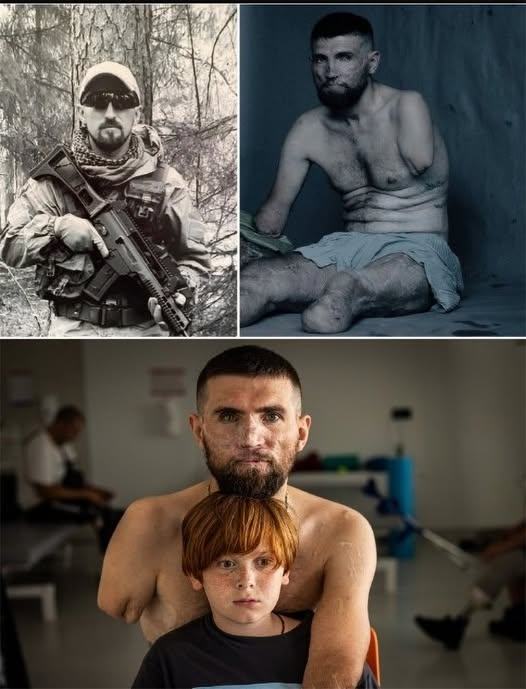
When the full-scale invasion of Ukraine began in 2022, many who had already served returned without hesitation. Among them was Zakhar Biryukov — a soldier who had first fought years earlier and felt called back when his country needed him again.
Then came the day that changed everything.
An explosion. A helicopter struck while landing. A blast so violent it altered the course of his life in seconds.
Severe injuries. Multiple surgeries. Hospital transfers. Doctors unsure whether survival was even possible.
And yet — he survived.
Recovery after catastrophic injury isn’t a single heroic moment. It’s relentless. It’s learning how to sit up again. How to balance. How to manage pain that doesn’t politely fade. It’s infections, adjustments, prosthetics that don’t quite fit yet. It’s dependence when you once embodied strength.
But what stands out isn’t just survival.
It’s mindset.
“It starts with a smile,” he has said. Not as denial. Not as fantasy. But as discipline. A choice to frame each day as possibility instead of loss.
Today, he paints landscapes using a prosthetic arm — quiet scenes that feel almost defiant in their calm. He studies psychology at the graduate level, turning lived trauma into understanding. He is a husband. A father. Present.
War can destroy bodies.
It cannot automatically erase identity.
And sometimes, the most radical act after devastation isn’t revenge or rage.
It’s rebuilding.
Stories like this don’t glorify conflict — they humanize endurance. They remind us that resilience isn’t loud. It’s stubborn. It’s daily. It’s choosing to participate in life again, even when life looks completely different.