Royal Rift Deepens: Prince William Blocks Financial Plan by Meghan and Harry
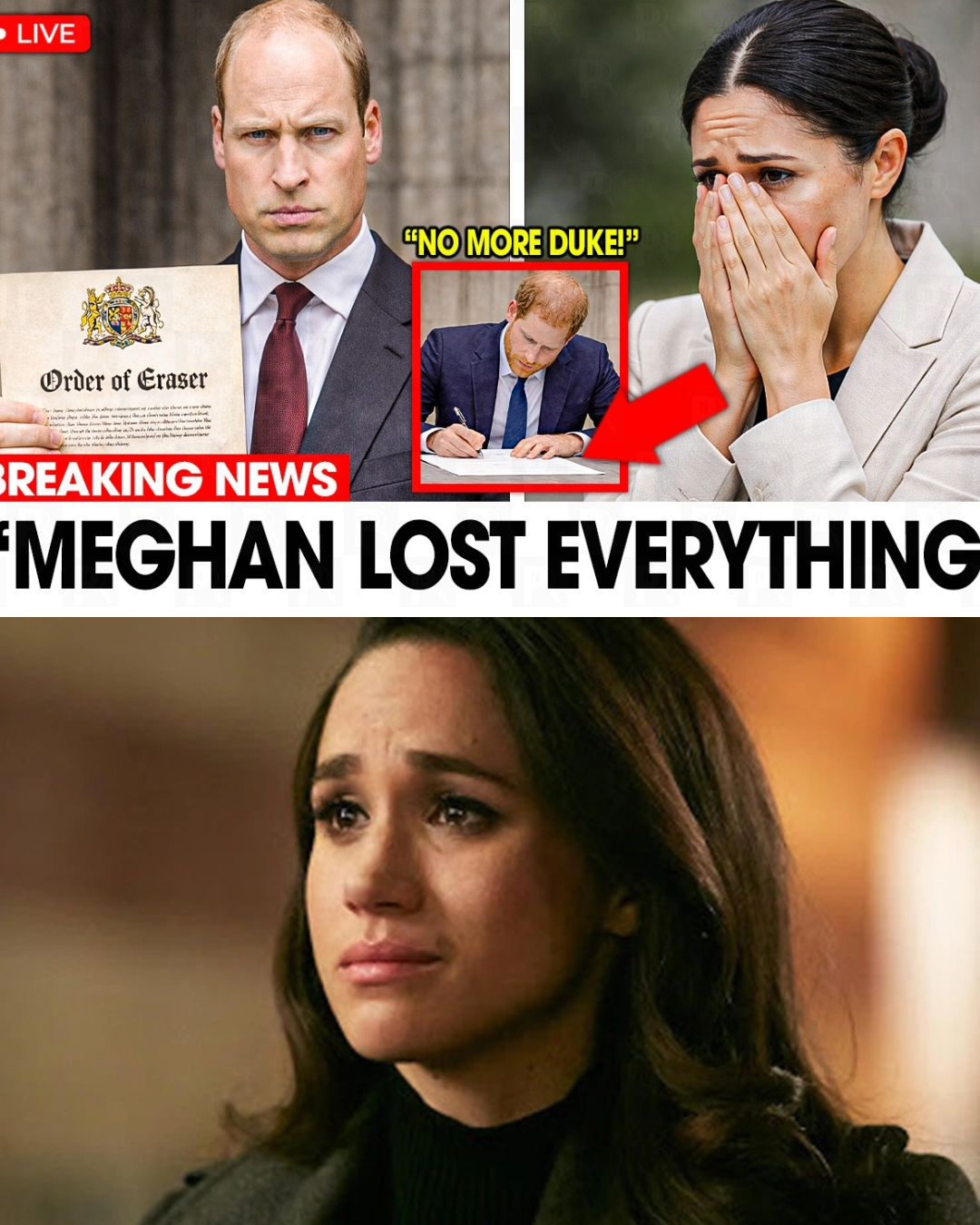
Recent developments within the British royal family have sparked international attention, as tensions between senior royals appear to be escalating. According to sources circulating with the video coverage, Prince William has reportedly intervened to block a controversial financial and relocation plan involving his brother Prince Harry and sister-in-law Meghan Markle — a decision that highlights ongoing fractures in the monarchy’s internal dynamics and raises questions about the institution’s future direction.
The situation centers on what has been characterized in some media as a “$37 million escape plan” allegedly designed by Prince Harry and Meghan to secure financial independence and lifestyle autonomy outside the United Kingdom. The plan purportedly involved leveraging assets and arrangements tied to their departures from official royal duties, often referred to publicly as Megxit — the couple’s high-profile decision in 2020 to step back from full-time royal roles.
According to posts accompanying the video, Prince William is said to have taken decisive action, effectively blocking aspects of this financial strategy. Reports circulating on social platforms suggest that this intervention may include halting access to certain joint savings or implementing legal measures under U.K. financial oversight statutes, though these claims have not been confirmed by official palace statements.
The broader context for this unfolding story dates back to January 2020, when Prince Harry and Meghan announced their intention to relinquish senior royal duties and pursue a more independent life. That announcement followed intensive negotiations within the institution and led to an extraordinary summit at the Sandringham estate. As a result, the couple agreed to no longer use their “His/Her Royal Highness” titles in official capacities, though they retained them honorarily.
Since their departure from frontline royal roles, Harry and Meghan have lived primarily in the United States and pursued various commercial and philanthropic activities. Their new life has included media deals, speaking engagements, and the launch of charitable initiatives — all undertaken independently of the official royal household. However, these ventures have also generated recurring controversy and public scrutiny, particularly when contrasted with traditional expectations of royal conduct.
Prince William’s reported intervention underscores a continuing struggle over control and influence within the royal family. As heir apparent, William has a vested interest in safeguarding the monarchy’s reputation and finances. Any perceived risks posed by high-profile family members acting outside conventional royal frameworks could heighten internal tensions and prompt protective measures from the current line of succession.
For the public, these developments reveal the limits of royal autonomy once royals have stepped back from official duties. While Harry and Meghan sought freedom from institutional constraints, the extent to which they remain tied to the monarchy — financially, socially, and symbolically — has become a matter of debate among observers, constitutional experts, and royal watchers alike.
Critics of royal reporting caution that social media narratives and speculative headlines can distort the nuances of such complex family and institutional matters. Official statements from Buckingham Palace or Clarence House have not yet confirmed the particulars of the alleged financial block, and it remains unclear whether legal or regulatory bodies are involved in any formal capacity.
Nonetheless, the story reinforces a broader theme in contemporary monarchy: the challenge of adapting centuries-old traditions to modern expectations while managing personal relationships under intense global scrutiny. As the British royal family navigates these dynamics, the headlines — whether grounded in verified fact or amplified through social networks — continue to shape public perception of royalty in the 21st century.