🎥 When Comedy Meets Confrontation: A Night on Real Time
- TranThuy
- February 28, 2026
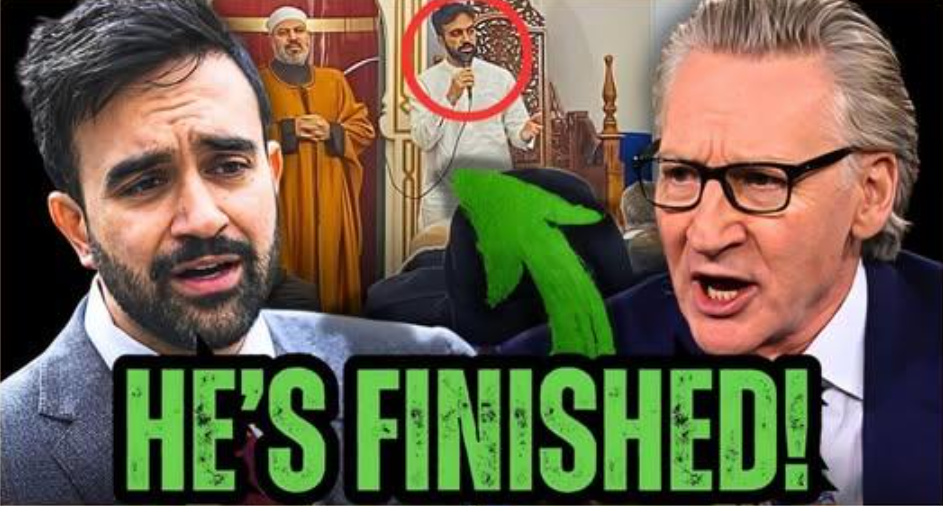
On the brightly lit stage of Real Time with Bill Maher, Bill Maher once again demonstrated that late-night television in the United States can be more than a source of laughter. Known for blending satire with political commentary, Maher opened the show with a sharp monologue before shifting his attention to a topic that has stirred growing debate: economic policy and the future of private property in major American cities. The tone, initially playful, gradually sharpened as he referenced statements associated with Zohran Mamdani.
What began as a comedic setup quickly evolved into a pointed exchange. Maher scrutinized Mamdani’s comments within the broader context of housing reform, wealth distribution, and progressive urban policy. The studio atmosphere reportedly grew tense as the conversation moved beyond punchlines into serious ideological territory. Audience laughter became more cautious, replaced at times by attentive silence. In that shift, the show revealed its dual nature: part entertainment, part public forum.
The debate touched on issues that extend far beyond one individual or one city. Questions about private property, rent control, taxation, and economic fairness are central to conversations shaping urban America. For supporters of reform, such policies represent necessary corrections to inequality and housing crises. Critics, however, warn of unintended economic consequences and ideological overreach. By spotlighting these tensions, the episode reflected a broader national dialogue about how cities should evolve in an era of rising costs and shifting political identities.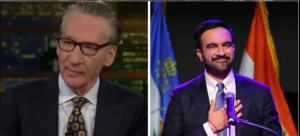
Within minutes of airing, clips from the exchange circulated widely across social media platforms. Supporters praised Maher for challenging ideas they see as radical or unrealistic. Others criticized the framing of the discussion, arguing that complex policy debates deserve deeper nuance than a late-night segment can provide. The rapid spread of the footage underscored how modern political discourse now unfolds in real time, amplified by algorithms and immediate reaction.
The moment also highlighted how entertainment platforms increasingly serve as arenas for civic engagement. Programs like Real Time occupy a space between journalism and satire, where humor opens the door to serious reflection. For many viewers, such shows offer an accessible entry point into policy discussions that might otherwise seem distant or technical. Yet the blending of comedy and critique can also intensify polarization, depending on how audiences interpret the exchange.
In that electric studio moment, the boundary between performance and accountability seemed to blur. What started as a late-night segment became part of a larger conversation about ideology, leadership, and the future of big-city politics. In America’s media landscape, even a spotlight meant for entertainment can illuminate national debates — reminding viewers that sometimes, the sharpest questions are asked under the glare of stage lights. 🇺🇸🔥