A Livestream That Sparked a Political Storm
- TranThuy
- February 28, 2026
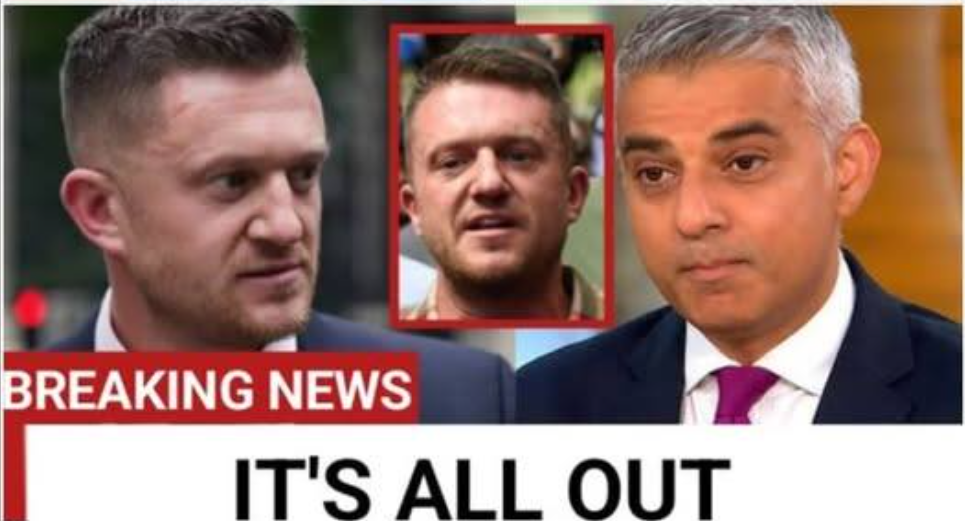
In a fiery livestream that quickly gripped thousands of viewers, Tommy Robinson held up what he claimed were leaked documents from the office of Sadiq Khan. With several pages highlighted in bright marker and raised directly before the camera, he alleged the papers revealed a hidden strategy to manage politically sensitive decisions. His voice carried urgency as he declared, “They don’t want you to see this,” instantly igniting a wave of debate across social media platforms.
The atmosphere of the broadcast felt electric. Comments poured in by the second as viewers attempted to read the blurred text and interpret Robinson’s claims. Supporters flooded the chat with messages demanding transparency and accountability, insisting that the public deserved answers. Critics, however, dismissed the display as political theater — a calculated spectacle designed to provoke outrage rather than provide clarity. Within minutes, clips from the livestream began circulating widely, amplifying both support and skepticism.
As the controversy intensified, attention shifted to City Hall. Representatives from the Mayor’s office responded swiftly, stating that the material presented in the livestream had been taken “out of context.” They emphasized that complex policy discussions can appear misleading when isolated from broader documentation. The official response sought to cool the growing storm, but instead it fueled further speculation, as commentators dissected every statement and counterstatement.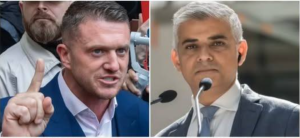
Political analysts weighed in, noting how livestream platforms have transformed modern public discourse. In an era when information travels instantly, a single broadcast can dominate headlines and shape narratives before official responses even emerge. The clash between Robinson and Khan’s office illustrated the power of digital media to create high-stakes political moments in real time. For many observers, the real battle was not only over the documents themselves, but over public perception and trust.
Meanwhile, Londoners found themselves caught in the middle of the escalating debate. Conversations unfolded in cafés, workplaces, and online forums, with people questioning what was authentic and what might be strategically framed. Some expressed concern about transparency in governance, while others warned against jumping to conclusions without verified evidence. The situation underscored how quickly public attention can pivot from routine politics to dramatic confrontation.
As speculation continued to swirl and tensions remained high, one thing became clear: the clash had captured widespread public attention. Whether viewed as a bold act of exposure or a provocative performance, the livestream left a lasting impression. Many now watch closely, awaiting further clarification and evidence, hoping that facts — rather than fury — will ultimately determine the truth.