A Tense Moment on Air: Debate and Division on Immigration
- TranThuy
- February 28, 2026

During a heated segment on BBC, Laila Cunningham stunned the studio with blunt remarks about illegal immigration. Speaking with fierce conviction, she refused to soften her words or dilute her position. What began as a measured panel discussion quickly intensified as she insisted that public safety concerns must be confronted openly and directly. Her voice cut sharply through the calm rhythm of the program, shifting the tone from polite exchange to charged confrontation.
As Cunningham elaborated on her perspective, the atmosphere in the studio noticeably tightened. Fellow panelists appeared momentarily taken aback by the force of her delivery. The usual pattern of quick interruptions and rapid rebuttals seemed to pause. For a brief but striking moment, a heavy silence settled over the room — the kind that signals a conversation has crossed into deeply contested territory. The weight of controversy hung in the air, palpable even to those watching from home.
Her central argument focused on the need for transparency and what she described as honest acknowledgment of public anxiety surrounding illegal immigration. She contended that sidestepping uncomfortable topics only fuels mistrust and deepens social divides. Critics, however, argued that the tone and framing of such discussions matter greatly, especially on national television. The debate quickly moved beyond policy specifics to broader questions about responsibility, rhetoric, and the power of televised discourse.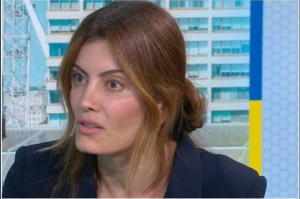
Viewers across Britain responded swiftly. Social media platforms lit up with clips from the segment, accompanied by passionate commentary. Some praised Cunningham’s candor, describing her as courageous for articulating concerns they felt were often dismissed. Others condemned her approach as overly confrontational, warning that strong language can inflame tensions rather than foster understanding. The reaction was immediate and intense, reflecting how emotionally charged the immigration issue remains.
Media analysts later noted that moments like this illustrate the evolving nature of public debate. Television discussions once characterized by careful moderation now frequently intersect with the fast-moving currents of online reaction. A single statement can echo far beyond the studio, reshaped and amplified in countless digital conversations. In this case, the exchange served as a catalyst for renewed national reflection on immigration, identity, and public safety.
Love her or challenge her, Cunningham’s appearance left a clear mark. The segment did more than generate headlines; it reminded Britain how deeply complex and emotionally layered the immigration debate has become. As discussions continue both on and off the screen, the moment stands as a vivid example of how powerful — and polarizing — public speech can be in shaping national conversation.