A City in Turmoil: Voices, Anger, and the Search for Understanding
- TranThuy
- February 28, 2026
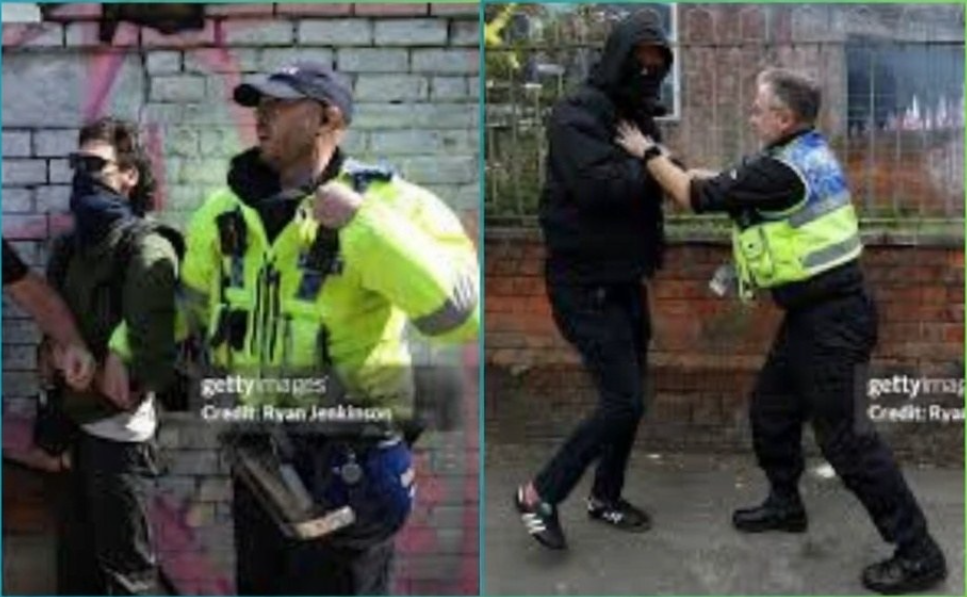
The streets of Manchester pulsed with anger and heartbreak as thousands gathered, waving flags and raising their voices about the future of their country. What began as an organized march soon swelled into something far more volatile. Chants echoed off historic buildings, banners rippled in the wind, and the collective emotion of the crowd seemed to vibrate through the pavement itself. For many, this was not just a protest — it was an outcry born of frustration, uncertainty, and a longing to be heard.
As dusk fell, tensions rose. Lines of police officers moved cautiously through the throng, attempting to maintain order while navigating a sea of competing demands. The atmosphere shifted from passionate demonstration to uneasy confrontation. Shouts grew sharper, movements more urgent. In moments, chaos broke through the fragile calm — a surge here, a clash there — until the night carried the unmistakable signs of disorder: flashing lights, smoke in the air, and the restless churn of a divided crowd.
Yet the clashes were about more than noise and spectacle. Beneath the surface lay deeper anxieties about identity, trust, and belonging. Many demonstrators expressed fears about economic insecurity, cultural change, and political representation. Others countered with calls for inclusivity and solidarity. The streets became a stage where conflicting visions of the nation stood face to face, each convinced of its own urgency and legitimacy.
Observers noted that such unrest rarely emerges without layers of accumulated tension. Years of political debates, social transformations, and shifting global realities had shaped the mood of the crowd. What unfolded in Manchester was not an isolated spark but part of a broader national conversation — one that has grown increasingly emotional and complex. The confrontation revealed not only disagreement, but also a profound sense of disconnection among citizens who share the same streets yet often feel worlds apart.
For the police caught in the middle, the night demanded balance: protecting public safety while respecting the right to protest. Their presence symbolized the thin line between order and escalation. In these moments, every decision carried weight, every response scrutinized. The responsibility extended beyond crowd control; it reflected the challenge of maintaining trust in institutions during times of widespread doubt.
In moments like these, the real question is not who claims victory in the streets, nor whose chants rise the loudest. The deeper challenge lies in whether a divided people can rediscover common ground. Anger may command attention, but understanding builds futures. As the city quieted and the echoes faded, Manchester was left with more than memories of a turbulent night — it was left with the pressing task of healing, listening, and seeking a path forward together.