Ideas, Identity, and the Courage to Debate
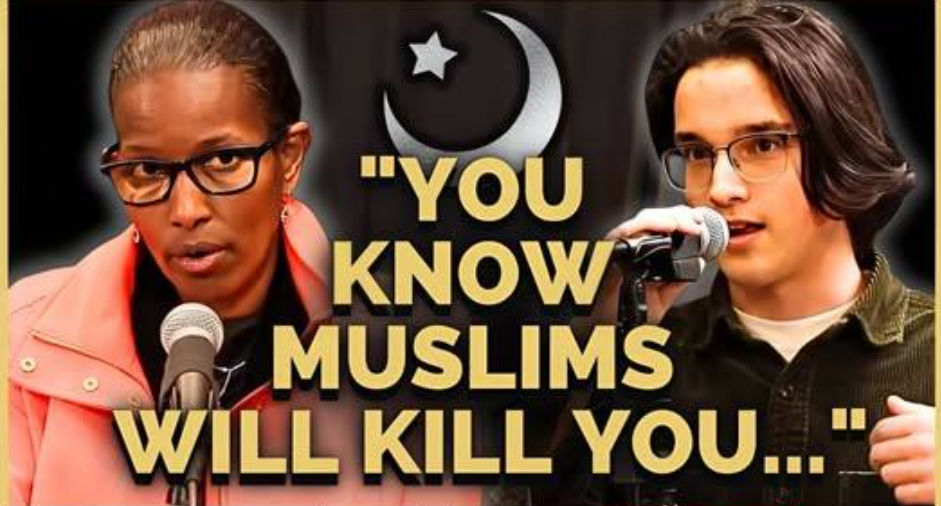
At the University of Austin, a thoughtful question from a student shifted an academic discussion into a moment of lasting impact. The student, speaking earnestly, defended Muslims and challenged what he described as rising Islamophobia in public discourse. Drawing comparisons to white supremacy and anti-Semitism, he argued that prejudice against any religious group must be confronted with the same moral clarity. The atmosphere in the room felt serious but hopeful — a reflection of a generation eager to wrestle openly with difficult social issues.
The discussion took place during an event featuring Ayaan Hirsi Ali, known for her outspoken critiques of political Islam and her advocacy for free speech. As the student concluded his question, the audience seemed to lean forward collectively, sensing the weight of the exchange. The topic touched on identity, faith, security, and freedom — themes that often spark intense emotion and deep division.
When Hirsi Ali responded, her tone was calm, precise, and unapologetic. She carefully distinguished between criticizing extremist ideologies and condemning individuals who practice a faith peacefully. In her view, confronting Islamism — which she defines as a political ideology — is not the same as attacking Muslims as people. She emphasized that protecting individual rights, including freedom of religion, must remain central to any democratic society. Her words sought to separate ideas from identity, urging listeners to defend open debate without dehumanizing anyone.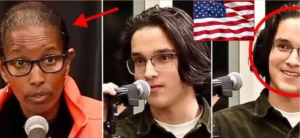
For a brief moment after she finished speaking, the room fell into stunned silence. It was not a silence of hostility, but of contemplation. What began as a straightforward question had evolved into a profound reckoning about the boundaries of criticism and the responsibilities of free expression. Students and faculty alike seemed to recognize the complexity of balancing sensitivity with intellectual honesty.
Observers later noted that such exchanges are essential within universities. Higher education institutions are meant to be arenas where controversial ideas can be examined rigorously rather than avoided. The exchange underscored the importance of distinguishing between prejudice — which targets people for who they are — and critique, which examines belief systems and political movements. Maintaining that distinction is challenging, but it is crucial for meaningful dialogue.
In the end, the moment was not about winning an argument. It was about clarifying principles: defending individuals from discrimination while preserving the freedom to question ideas. The encounter served as a reminder that democracy depends on courage — the courage to speak, to listen, and to think carefully. In a world often divided by identity, the path forward may lie in that difficult but necessary separation between who we are and what we believe.