The Arrest Heard Around the World: Andrew Mountbatten-Windsor and the Night the Crown Lost Its Innocence
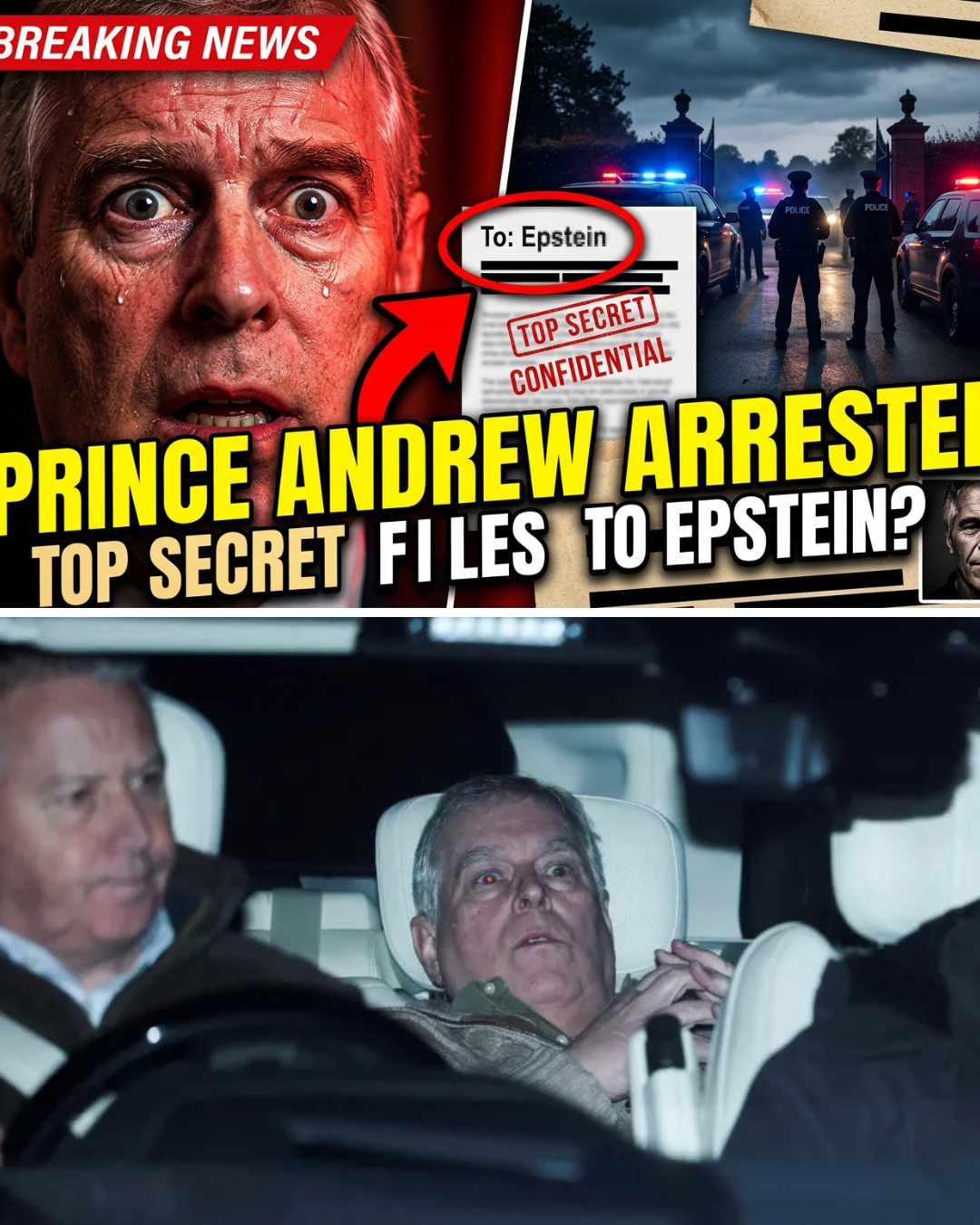
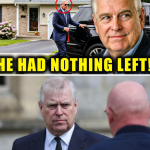
At 8:00 in the morning on February 19, 2026, unmarked police cars pulled up to a private estate in Norfolk, England. The man they were there to arrest was no ordinary citizen. He was the younger brother of a reigning king, a former Naval hero, a man who had moved in the highest circles of global power for five decades. By 9:54 that same morning, the BBC had confirmed what would become the most seismic royal news in modern British history: Andrew Mountbatten-Windsor — once Prince Andrew, Duke of York — was in police custody on suspicion of misconduct in public office.
The charge itself, while sounding bureaucratic, carries a maximum sentence of life imprisonment under English law. It stemmed not from the swirling sexual misconduct allegations that had dogged him for years, but from something arguably more alarming: the claim that while serving as Britain’s trade envoy, Andrew had forwarded classified government documents — confidential information about visits to China, Hong Kong, Singapore, and Vietnam — directly to convicted sex offender Jeffrey Epstein. In other words, the man who was supposed to represent Britain’s commercial interests on the world stage may have been reporting not just to Whitehall, but to one of the most dangerous private networks of influence the modern world has ever seen.
The mechanics of the arrest were almost designed for dramatic effect. Thames Valley Police had notified the Home Office at 07:30 that morning, consistent, officials stated carefully, with “standard procedure.” That qualifier did little to cushion the blow. Within hours, the hashtag #AndrewArrested was trending in over forty countries. Gogglebox viewers in living rooms across Britain watched as BBC News anchor Ben Brown delivered the update live, while the show’s cast reacted with a mixture of dark humor and barely concealed fury.
What makes this story truly extraordinary is not merely the arrest itself, but the slow-motion collapse that preceded it. Andrew had already been stripped of his military honors. He had been evicted from Royal Lodge, the historic Windsor property he had called home for years. He had surrendered his use of royal titles just weeks earlier in a statement released through Buckingham Palace, declaring that he did not wish for “continued allegations” to “distract from the work of His Majesty.” And yet here he was, in custody, the distance between being a prince and being a suspect finally reduced to zero.
The central question that investigators are now wrestling with is deceptively simple: what did Epstein do with the information Andrew allegedly gave him? Trade visit reports from Southeast Asia and “confidential information” about investment opportunities in Helmand Province, Afghanistan — documents that, in the wrong hands, could have been used for financial gain, political leverage, or far worse — were apparently forwarded without any apparent concern for national security. The charge of misconduct in public office does not require prosecutors to prove that harm resulted. It requires only that the public officer deliberately abused or neglected the powers entrusted to them.
What disturbs former intelligence officials, speaking anonymously, is the context. The years in question — roughly 2009 to 2011 — were a period when Epstein’s network was still very much operational. He had already been convicted in the US in 2008 in a plea deal that many legal scholars have condemned as scandalously lenient. Yet Andrew continued to meet with him, continued to correspond with him, and, if prosecutors are correct, continued to share material that had no business leaving government channels.
The Metropolitan Police have now begun reaching out to former and current members of Andrew’s close protection unit — the officers who stood just feet away from him, day after day, year after year. These are individuals who may have seen conversations, observed meetings, and noted visitors at properties including Royal Lodge. Their testimony, if forthcoming, could prove to be the most devastating element of the prosecution’s case.
Andrew remains released under investigation, having denied all allegations. But the morning those unmarked cars arrived, something irreversible happened. The myth of royal immunity from ordinary law died on a gravel driveway in Norfolk, and Britain has not been the same since.