What Did the Bodyguards See? The Protection Officers Who May Hold the Key to Andrew’s Fate
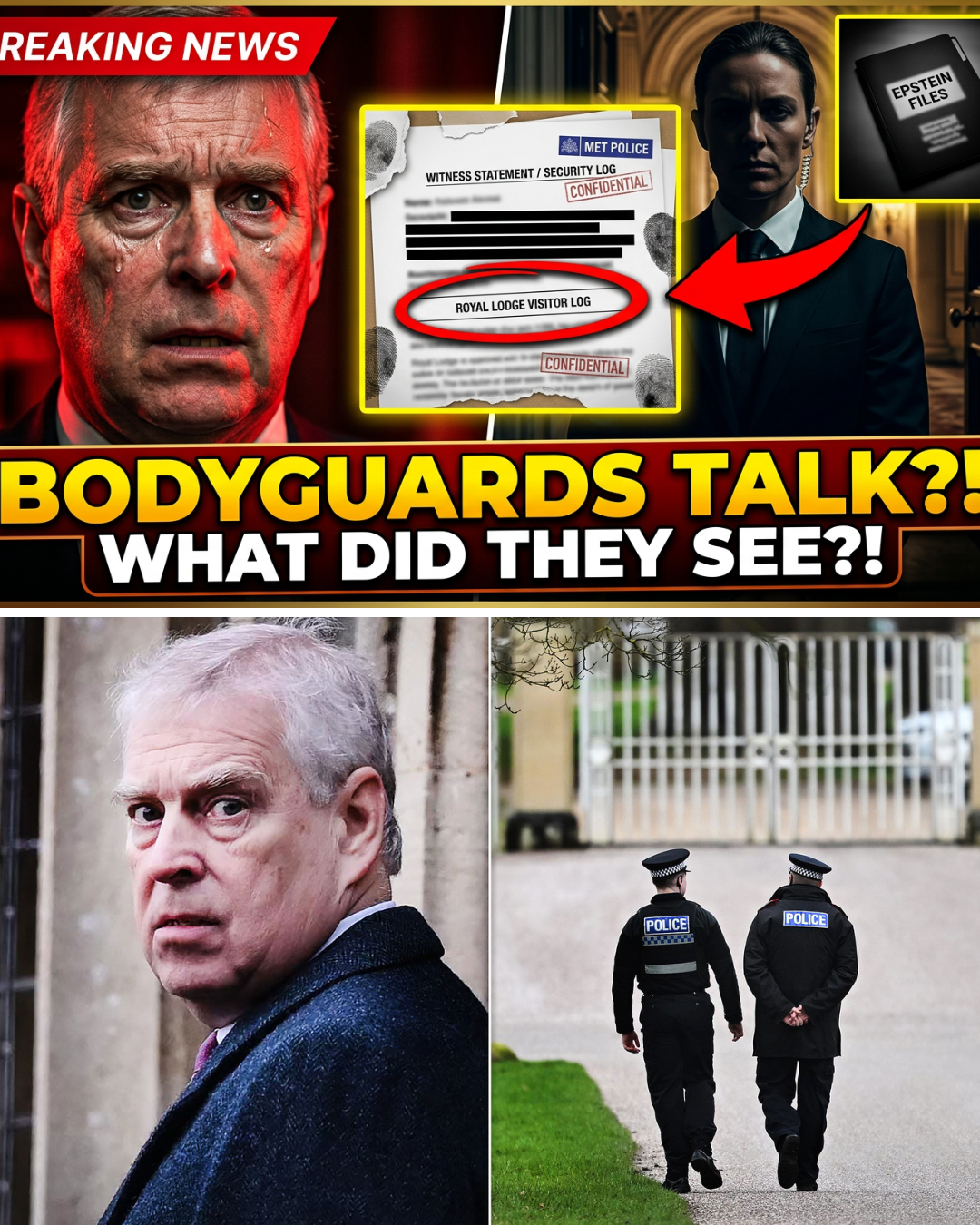
They stood at doors. They sat in corridors. They accompanied him to meetings in foreign capitals and private estates. For years, the men and women of Andrew Mountbatten-Windsor’s close protection unit did what protection officers always do: they watched, they listened, and they said nothing. That professional silence may now be the most consequential thing law enforcement is working to break.
In the days following Andrew’s arrest on February 19, the Metropolitan Police made a highly unusual move. They announced that they were actively reaching out to former and current members of Andrew’s close protection detail to ask what they “saw or knew” about his relationship with Jeffrey Epstein. It is a step that underscores just how wide the net of this investigation has become — and how much the prosecution may depend not on documents, but on human testimony.
Close protection officers, in the British security establishment, occupy a uniquely intimate position. They are present in ways that even family members are not. They accompany their principals to private meetings, hear the names of visitors, observe the body language of interactions, and file detailed logs of movements for security purposes. If Andrew was hosting Jeffrey Epstein at Royal Lodge for undisclosed financial discussions, the protection officers on duty at the time would almost certainly have been aware of it.
The legal question is whether those officers are now willing to speak. There are competing pressures at work. On one hand, protection officers owe a duty of confidentiality that extends even after their service ends — a duty reinforced by the Official Secrets Act and by the deeply ingrained culture of the British security services. On the other hand, they also owe a duty to the law. And the Metropolitan Police’s decision to contact them publicly signals that investigators believe those individuals may hold evidence material to the case.
Former intelligence officials have noted that the decision to announce this step publicly — rather than quietly approaching witnesses — is itself a form of pressure. By making it known that police are seeking testimonies, investigators may be encouraging officers to come forward before they are individually contacted, framing cooperation as the path of least resistance. It also sends a message to anyone who might be considering whether to protect Andrew’s privacy: the investigation has already reached your door.
The broader implication is one that should unsettle any public figure who has ever relied on the perceived loyalty of those in their service. Protection officers are paid by the state, not by the individuals they protect. Their first duty, ultimately, is to the law — not to the prince. And as the Epstein documents continue to be released, as emails and correspondence paint an ever-more-detailed picture of what was happening behind closed doors, the officers who stood outside those doors are finding that silence is no longer a simple option.
Whether or not they ultimately speak, and whether or not what they say is sufficient to sustain a charge of misconduct in public office, the investigation into Andrew Mountbatten-Windsor has entered territory that feels genuinely unprecedented. The arrest of a royal brother is one thing. The public recruitment of his bodyguards as potential witnesses is quite another.