Operation Purim: The US-Israel Strike on Iran That Could Rewrite the Middle East
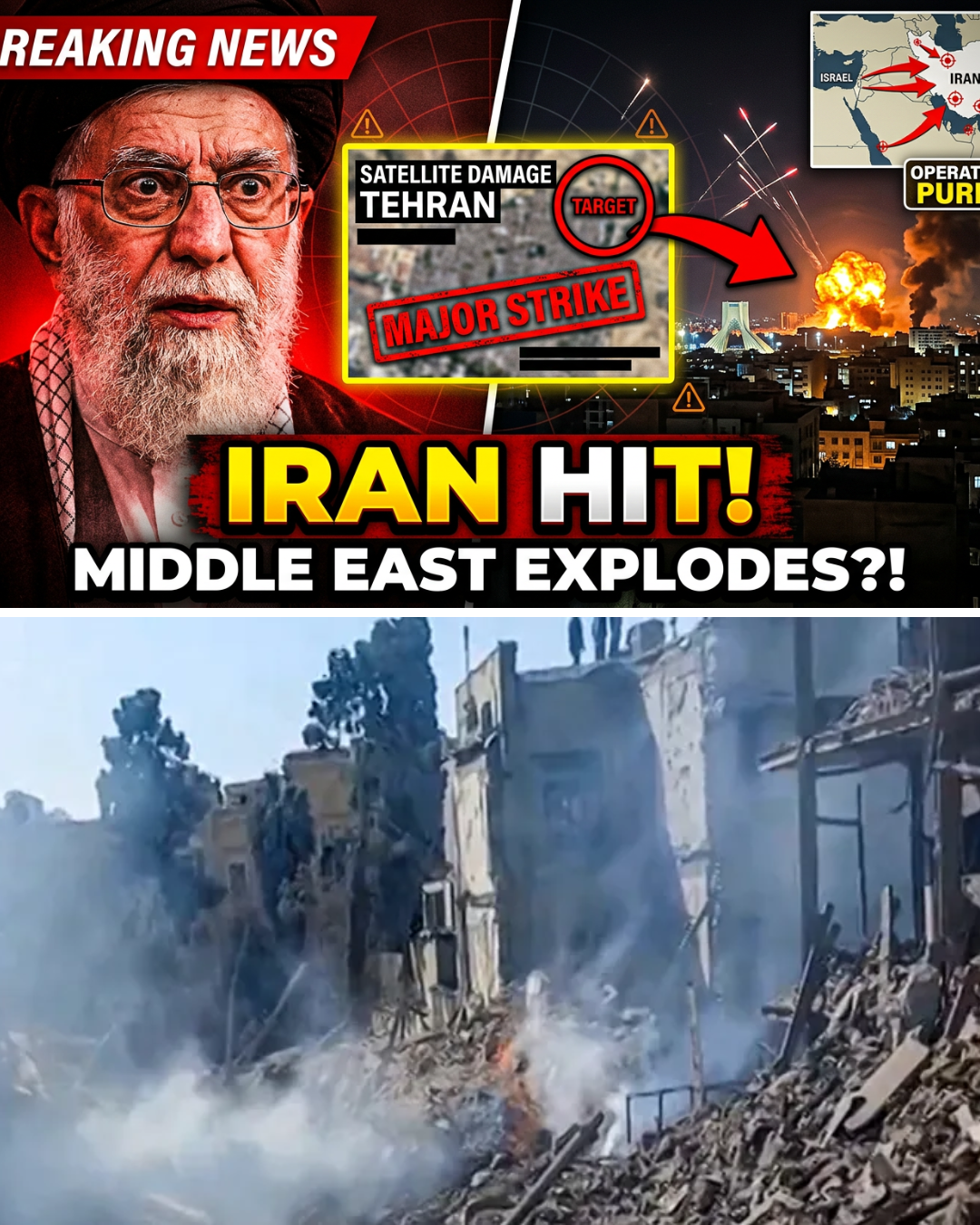
Before dawn on Saturday February 28, 2026, the skies over Tehran changed forever. In a series of coordinated airstrikes that officials in Washington described as “major combat operations,” the United States and Israel launched simultaneous attacks on multiple targets across Iran, including the capital city itself. By the time the first explosions were confirmed in the Iranian media, the region had already been changed in ways that will take years, perhaps decades, to fully understand.
The symbolism of the timing was not lost on observers. Saturday marked the eve of Purim, the Jewish holiday commemorating the salvation of the Jewish people from a planned genocide in ancient Persia — the historic name for modern-day Iran. Whether the timing was deliberate or coincidental, its resonance in both Israeli domestic politics and Iranian national memory was immediate and electric. By striking on the eve of Purim, Israel sent a message as much to history as to any military command.
The targets were devastating in their precision. Israeli and American aircraft reportedly struck the compound of Supreme Leader Ali Khamenei, satellite images showing heavy damage. As of late Saturday, Iranian officials had confirmed that Defense Council head Ali Shamkhani had been killed, along with Defense Minister Aziz Nasirzadeh and IRGC commander Mohammad Pakpour. At least three senior Iranian officials were dead, and Khamenei himself was reportedly “cut off from contact” — a phrase that has sent analysts scrambling to understand whether the 85-year-old supreme leader is alive, incapacitated, or worse.
The human cost was immediate and brutal. Iranian media reported that an elementary school in Tehran was struck, with 40 children and adults killed and 48 injured — a detail that Iran’s government will almost certainly use as the centerpiece of a global public relations campaign condemning the attacks as indiscriminate. Internet access across Iran was almost completely disrupted, cutting the country’s 87 million people off from news, communications, and each other.
Iran’s response was swift and wide-ranging. Tehran launched dozens of ballistic missiles across the Middle East, targeting Israel, and US military bases in Jordan, Syria, Kuwait, Bahrain, Qatar, Saudi Arabia, and the United Arab Emirates. For the first time in modern history, multiple US military installations in the Gulf region were simultaneously targeted in a ballistic missile attack — a development that will test US air defense systems and regional alliances in ways for which no exercise could fully prepare.
The United Kingdom was not involved in the strikes. Germany said it was informed in advance. Most other NATO members were not. That selective notification suggests a deliberate decision by Washington and Jerusalem to act without the benefit of coalition consensus — a move that will strain alliances already stressed by years of disagreement over Iran policy.
Perhaps most critically, the Houthi rebel movement in Yemen — Iran’s most active regional proxy — announced within hours that it was resuming attacks on shipping routes in the Red Sea. This single development has the potential to trigger one of the most severe shipping crises since the Suez Canal blockage of 2021, affecting global oil prices, consumer goods supply chains, and the economic stability of every country dependent on the Strait of Hormuz and the Red Sea corridor.
The operation that began in the skies over Tehran on Purim eve is not simply a military event. It is a geological shift in the architecture of the Middle East. The fault lines it has opened — between the US and its Gulf allies, between Iran and its neighbors, between global energy markets and political stability — will define the next era of international relations. And the world is only beginning to feel the tremors.