The Houthi Wildcard: Yemen’s Rebels Could Bring the Global Economy to Its Knees
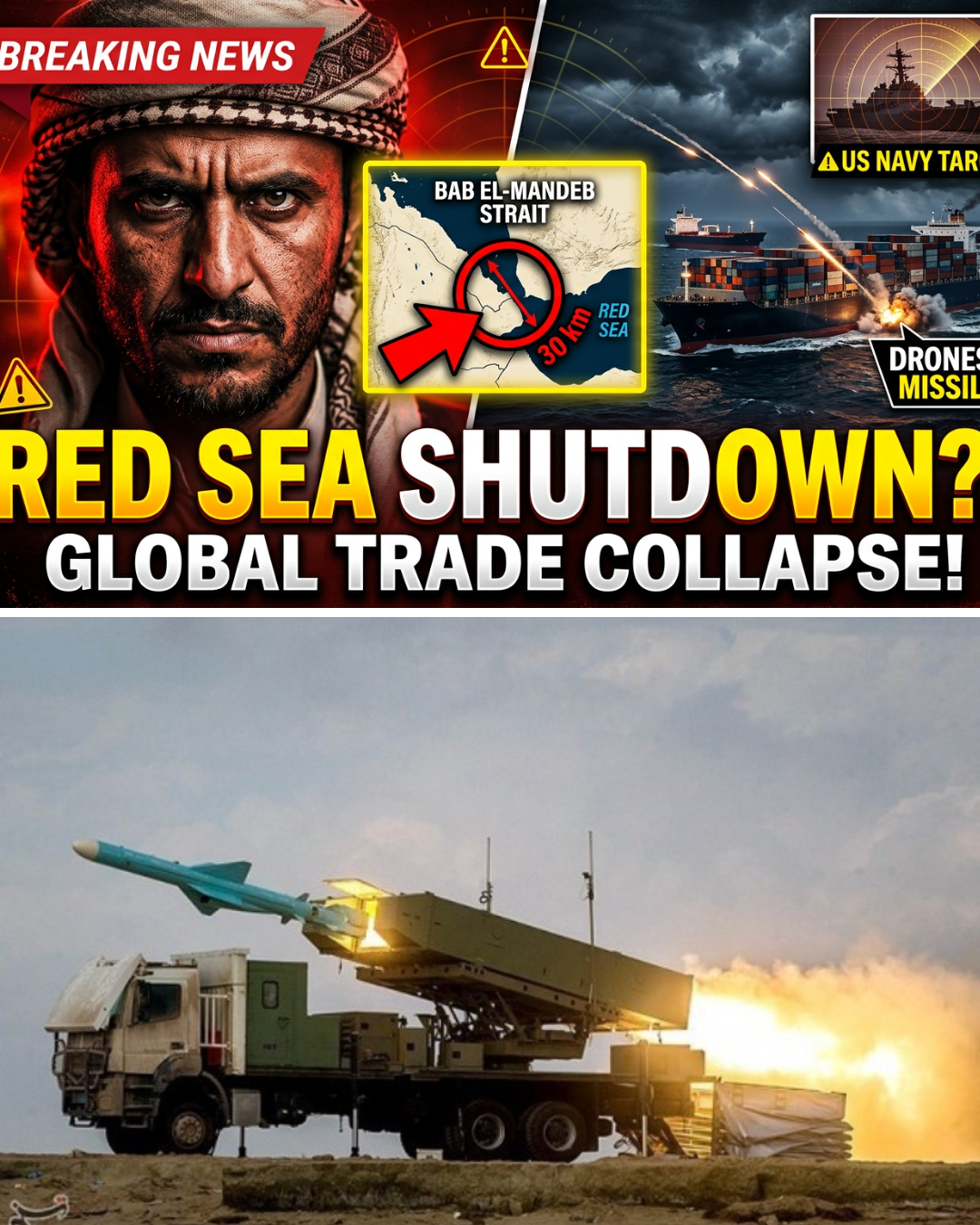
For all of the dramatic imagery of explosions over Tehran and missiles arcing across the night sky of the Middle East, there is a case to be made that the most dangerous consequence of Saturday’s US-Israel strikes on Iran will play out not in a military command center, but in the narrow, 30-kilometer-wide chokepoint known as the Bab el-Mandeb Strait. That is where the Houthi rebels, emboldened and newly commanded by the fury of a proxy war they were built for, have just announced they are back in business.
The Houthis’ announcement that they will resume missile and drone attacks on shipping was delivered by two senior officials speaking anonymously, pending a formal statement from the Houthi leadership. That caveat did little to reassure the shipping industry, which had only recently begun cautiously routing vessels back through the Red Sea after months of disruption that began in late 2023. The message was unmistakable: the ceasefire that had allowed a fragile recovery of global shipping lanes is over.
To understand why this matters beyond the immediate conflict, consider the geography. The Red Sea corridor handles approximately 12-15% of global trade, including vast quantities of oil, liquefied natural gas, consumer electronics, and agricultural goods. Every major container line that runs between Europe and Asia passes through the Suez Canal and down the Red Sea. When Houthi attacks forced shipping companies to reroute around the Cape of Good Hope in 2024, the additional journey added two weeks and thousands of dollars per container to shipping costs — a tax on global trade borne ultimately by consumers.
This time, the context is more alarming. The Houthis are not acting alone or in frustration. They are acting in direct response to a coordinated US-Israel military strike on their primary patron and ideological sponsor. They are motivated not just by the incentives of proxy warfare but by genuine ideological solidarity with Iran. And they have spent the past several months receiving — according to intelligence assessments — upgraded drone and missile technologies that significantly extend their range and precision.
The specific risk is not just to commercial shipping. US Navy vessels in the Red Sea and Gulf of Aden are primary targets. Aircraft carriers, destroyers, and support ships that have been operating in the region in anticipation of exactly this kind of escalation will face an operational environment far more challenging than anything their commanders have previously navigated in peacetime deployments. The USS Dwight D. Eisenhower carrier strike group, or its successor, will find itself not conducting deterrence patrols but active combat defense against a threat that is asymmetric, distributed, and difficult to predict.
The economic ripple effects will be global and immediate. Oil futures surged in after-hours trading on Saturday. Insurance premiums for vessels transiting the Red Sea corridor will spike to levels that make the route economically nonviable for many shipping companies within days. Supply chains already weakened by years of pandemic disruption and geopolitical fragmentation face another severe test.
What the Houthis understand — and what policymakers in Washington and Jerusalem may have underestimated — is that the most effective response to a strike on a nation-state is not a retaliatory missile barrage, but a sustained economic siege conducted by a non-state actor that cannot itself be easily struck. You cannot kill a supply chain disruption with an airstrike. And the Houthis, operating from the mountains and coastlines of Yemen’s western shore, have demonstrated a remarkable talent for keeping the world’s maritime arteries hostage.