THE WAR HAS BEGUN — Inside Operation Epic Fury, the Strike That Changed the Middle East Forever
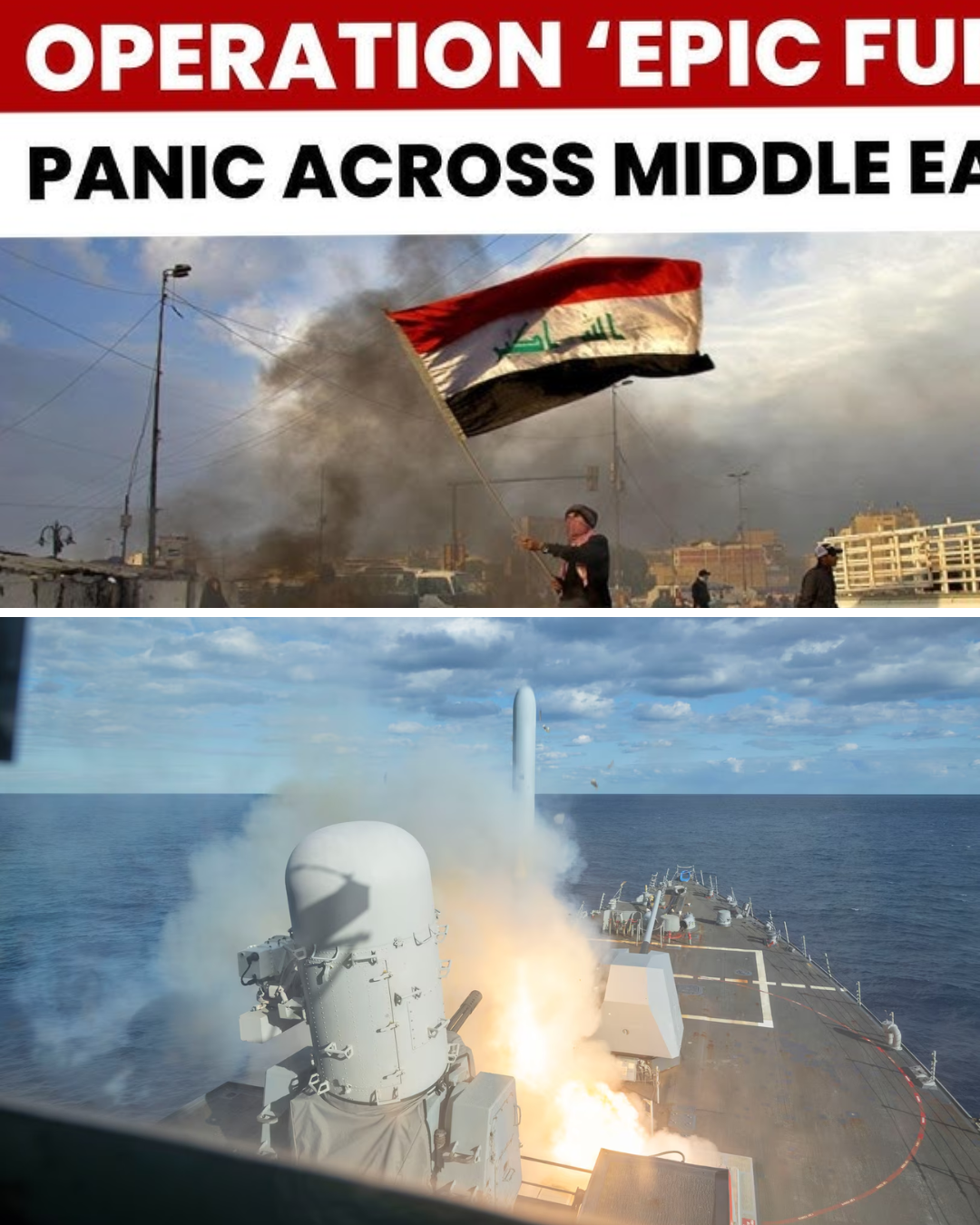
At precisely 1:15 a.m. Eastern Time on Saturday, February 28, 2026, the United States military — acting alongside Israeli forces — began the most consequential military operation in the Middle East since the 2003 invasion of Iraq. Officially dubbed Operation Epic Fury, the assault has shattered months of uneasy diplomatic maneuvering and plunged the region into open warfare.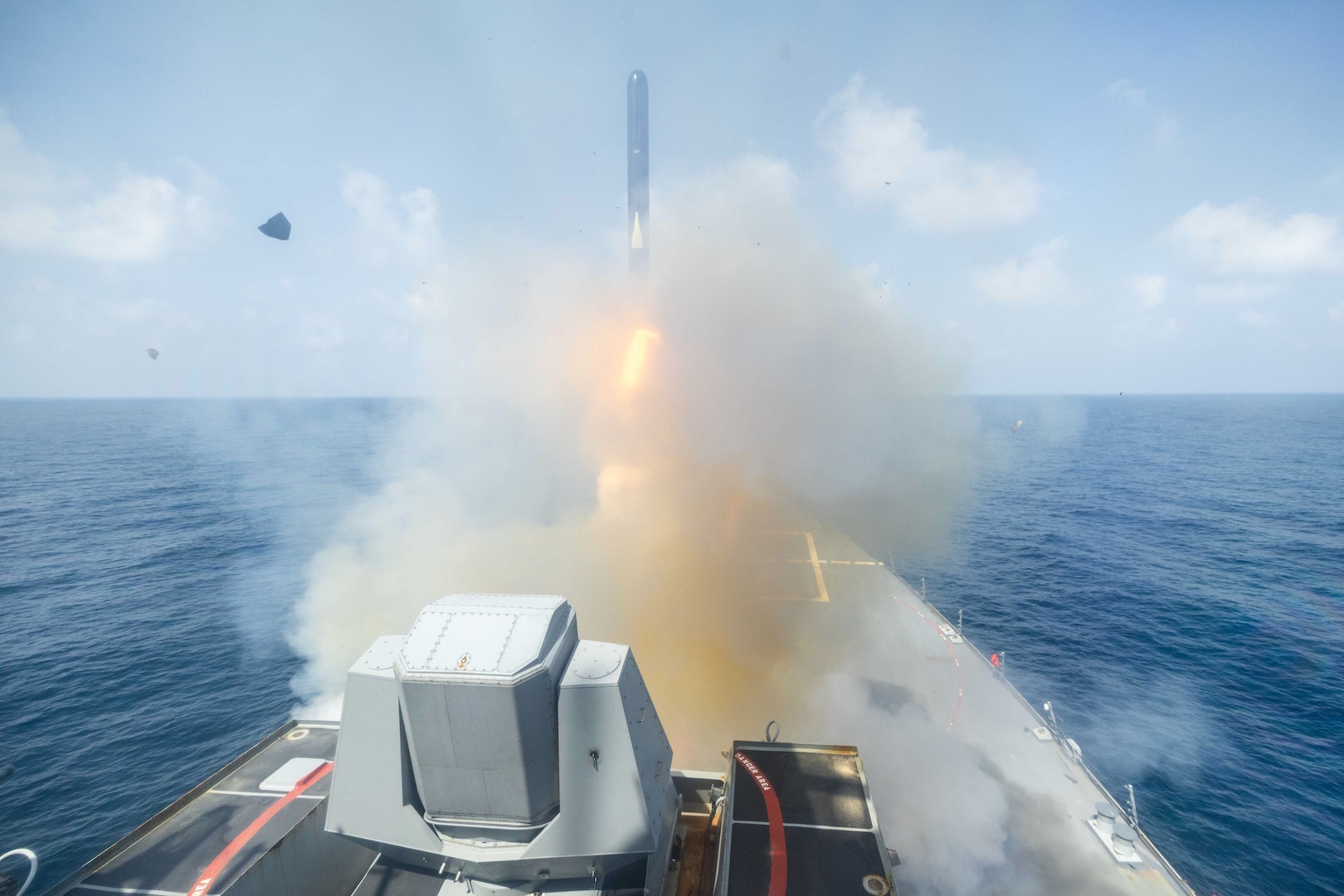
The operation was launched with waves of air, sea, and land-based munitions striking a vast array of Iranian targets simultaneously. According to U.S. Central Command (CENTCOM), priority was given to dismantling Iran’s security apparatus, targeting Islamic Revolutionary Guard Corps (IRGC) command and control facilities, Iranian air defense networks, missile and drone launch sites, and military airfields across the country. The strike represented not just a tactical military move, but a seismic strategic shift — the United States had finally crossed the threshold from coercive diplomacy to active combat in Iran.
The buildup to this moment was months in the making. Following a fragile ceasefire that ended the Iran-Israel war in mid-2025, diplomatic channels were reopened, with nuclear talks held in Oman and Geneva. However, these negotiations collapsed when Tehran refused to concede on the full dismantlement of uranium enrichment — a core U.S. demand. Meanwhile, Iran’s security forces carried out a brutal internal crackdown in January 2026, killing tens of thousands of Iranians protesting the regime, which further eroded any political goodwill toward Tehran in Washington and European capitals.
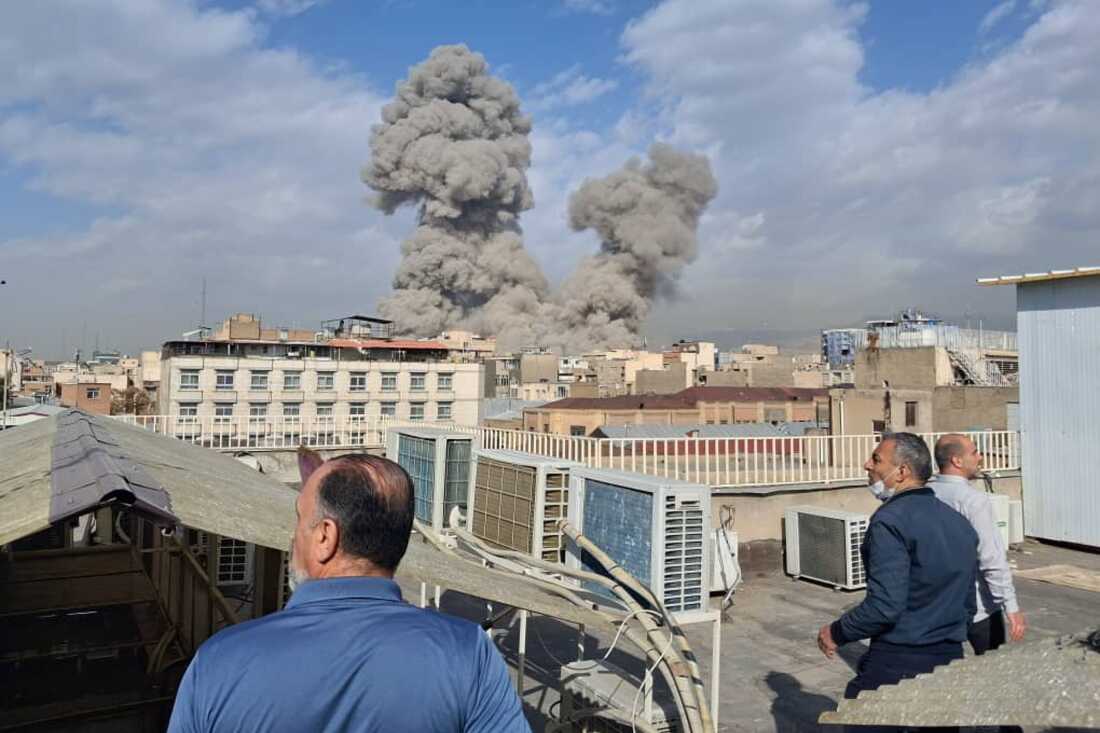
The immediate trigger for Operation Epic Fury, analysts say, was the convergence of three factors: the failure of last-minute talks in Geneva, Iran’s escalating domestic repression, and Israeli intelligence confirming the location of Supreme Leader Ayatollah Ali Khamenei. While CENTCOM’s official statement framed the operation as defensive and preventive — targeting sites that “posed an imminent threat” — the scope and breadth of the assault made clear this was no limited punitive strike.
Munitions were delivered from aircraft carriers stationed in the Persian Gulf, land-based aircraft, and submarine platforms, representing a full-spectrum assault that Iran’s degraded air defenses struggled to counter. The strikes, according to CENTCOM, used “munitions from air, land, and sea” in coordinated, overlapping waves designed to overwhelm Iranian response capabilities before a sustained defense could be organized.
By dawn, 24 of Iran’s 31 provinces had reported strikes, with Iran’s Red Crescent Society confirming over 200 dead and 747 injured within hours of the initial bombardment — numbers that observers universally agreed would climb steeply in the coming hours and days. Among the most devastating single incidents was a strike in southern Iran that reportedly killed more than 85 people at a girls’ school — an incident immediately seized upon by international human rights organizations as a potential violation of the laws of armed conflict.
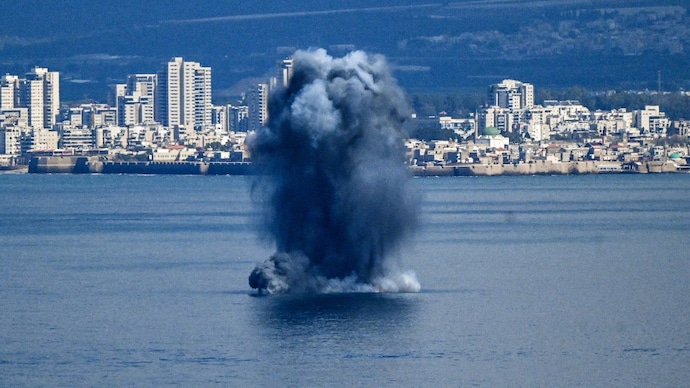
Iran’s military did not remain passive. Within hours, Tehran launched retaliatory ballistic missiles and drones targeting U.S. military installations across the region, including the Aldeid Base in Qatar, Ali Al Salem Air Base in Kuwait, Dhafra Air Base in the UAE, and — most dramatically — the headquarters of the U.S. Navy’s Fifth Fleet in Bahrain. CENTCOM confirmed it successfully defended against “hundreds of Iranian missile and drone attacks,” reporting no U.S. combat casualties and only minimal damage to installations.
Yet the strategic picture was already evolving beyond military parameters. Within hours of the first strikes, Saudi Arabia, the UAE, Qatar, and Jordan found themselves drawn into a regional conflict they had desperately sought to avoid. Explosions were heard in Riyadh, Abu Dhabi, and Doha. Bahrain, host nation to the Fifth Fleet, issued emergency air-raid sirens as Iranian missiles struck near the naval facility, with the Bahraini government condemning the attack as “a violation of its sovereignty.”

The question now haunting every capital from Washington to Beijing is simple: Was this the opening salvo of a short, decisive campaign — or the first act of a generational conflict that will reshape the global order? Operation Epic Fury may have been meticulously planned. But wars, as history has repeatedly demonstrated, rarely unfold according to plan.