THE GIRLS’ SCHOOL — A Strike That May Become the War’s Defining Atrocity
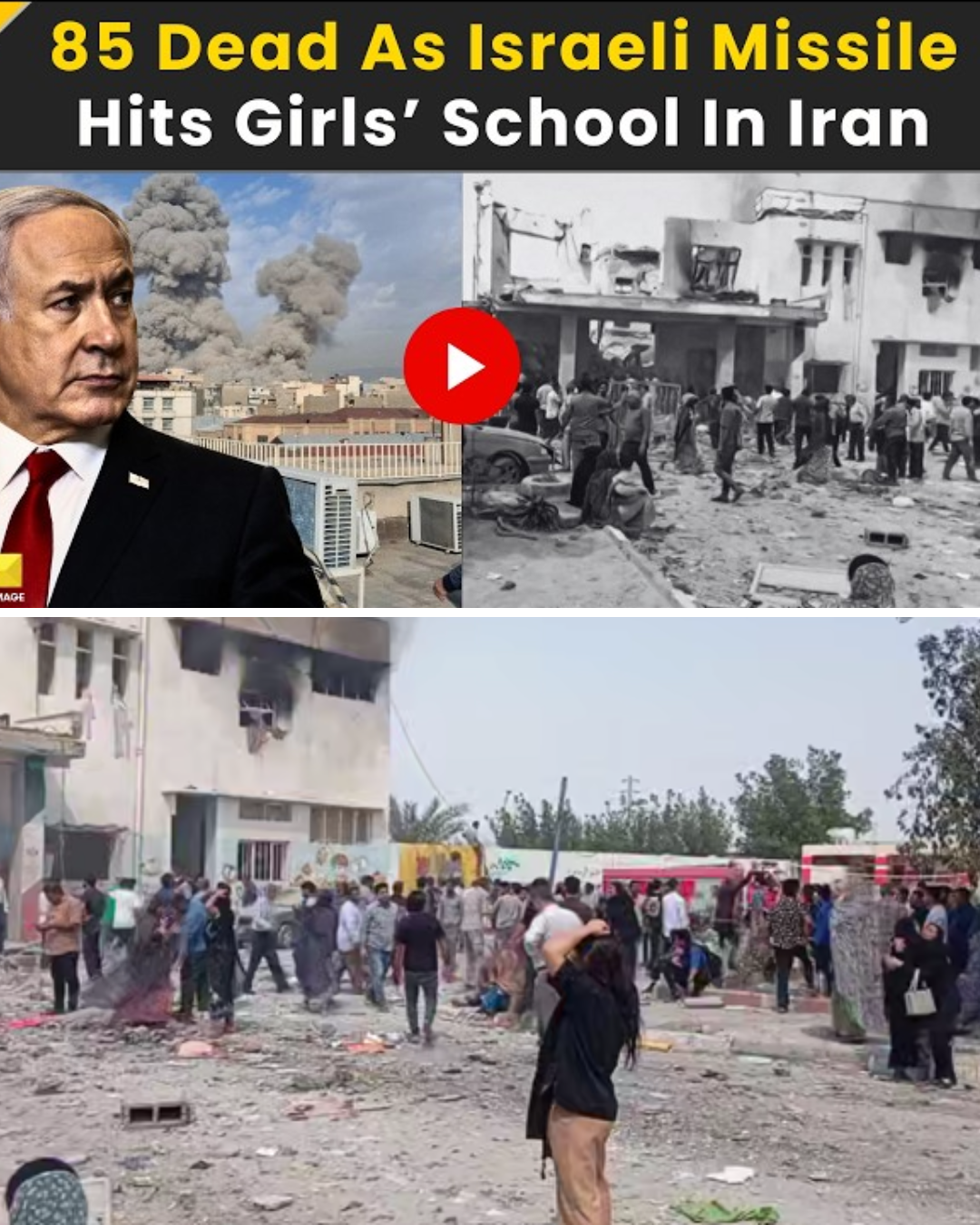
Amid the avalanche of military statistics and strategic analysis flooding global newsrooms on Saturday, one detail stands apart with a particular, devastating clarity: more than 85 people were killed at a girls’ school in southern Iran when a strike hit during Operation Epic Fury. In a conflict defined by the language of strategic objectives, military targets, and regime change, those 85 deaths at a school may ultimately prove more consequential to the war’s long-term political trajectory than any military gain achieved on the same day.
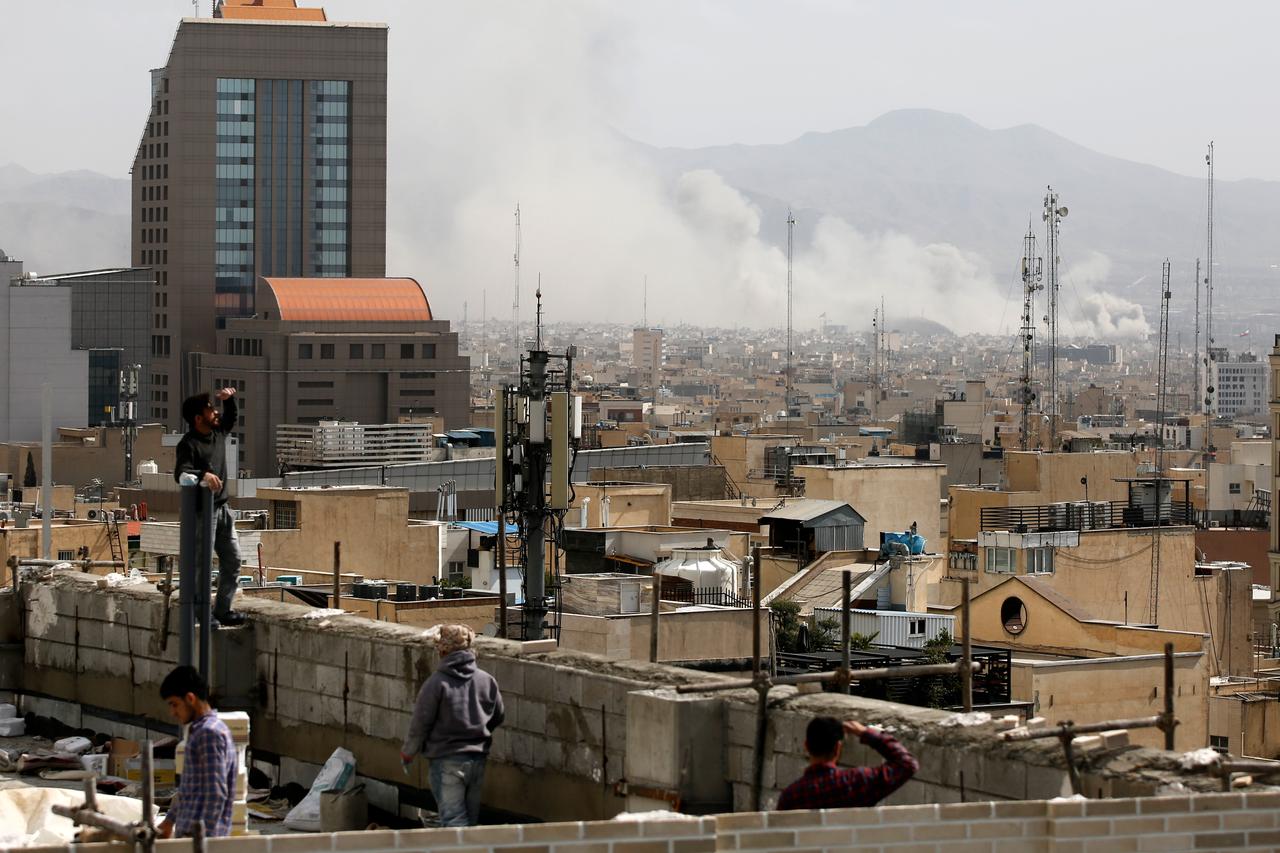
The incident, confirmed by local Iranian officials according to Newsweek, has not yet been fully investigated, and attribution — whether the strike was American, Israeli, or a product of misfired Iranian air defenses — remains actively contested. CENTCOM has not addressed the school strike specifically in its public statements, which have focused exclusively on military targets and the absence of U.S. casualties. The silence is itself a form of communication, and it is already being noticed by international observers who have begun using the term “war crime” in public forums.
Under international humanitarian law, specifically the Geneva Conventions and their Additional Protocols, civilian objects — including schools — are explicitly protected from direct attack unless they are being used for military purposes. Even then, any attack must satisfy the principle of proportionality: the anticipated military advantage must outweigh the expected civilian harm. Eighty-five deaths at a girls’ school, whatever the intended military objective, will be extraordinarily difficult to justify under any proportionality calculus that takes human life seriously.

The geopolitical implications of this incident are profound and multidirectional. For Iran, the school strike is a propaganda gift of incalculable value — and Tehran’s state media will ensure images of the site are broadcast across the Islamic world with maximum emotional impact. The Islamic Republic, despite its own catastrophic record of killing civilians in the January 2026 crackdowns, understands perfectly that the optics of dead schoolchildren cut across all political boundaries and neutralize even the most compelling arguments for military intervention.
For U.S. allies in Europe, the school strike accelerates a tension that was already building before the first bombs fell. France, Germany, and the United Kingdom had issued evacuation orders for their citizens in Iran — implicit acknowledgments that they anticipated the conflict — but stopping short of endorsing the operation militarily. The European reaction to civilian casualties in the coming days will be one of the key indicators of whether the transatlantic alliance can hold under the strain of a war that European capitals neither initiated nor sanctioned.

For the Iranian people themselves, the school strike introduces a cruel complexity into what was, until Saturday morning, a relatively clear-cut narrative: a regime massacring its own citizens, and an outside force intervening to end their oppression. The death of 85 girls at a school in southern Iran does not fit that narrative. It fits a different, older, more painful narrative — one of a distant superpower dropping bombs on Iranian soil, killing Iranian civilians, with minimal accountability and maximum confidence in its own righteous purpose.
History teaches that in wars of regime change, the atrocity that comes to define the conflict is rarely the one strategists anticipated. It is usually the one that no one planned, no one can fully explain, and no one can undo. The girls’ school in southern Iran may already have earned that terrible distinction in the history of Operation Epic Fury.