THE PAHLAVI GAMBIT — Is the West Secretly Betting on a Royal Restoration?
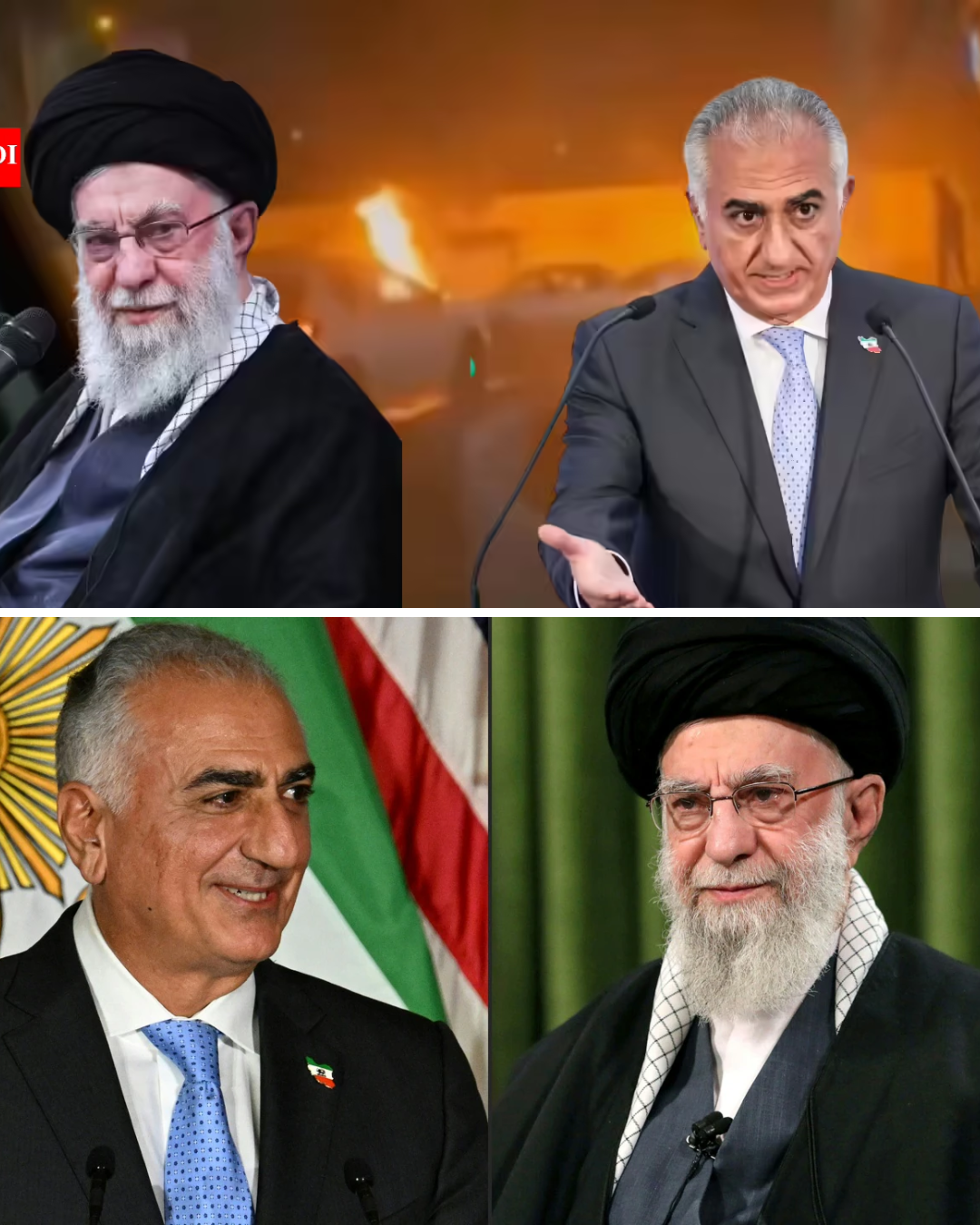
Within hours of the first U.S. and Israeli missiles striking Tehran, a figure who has lived in exile for 47 years stepped before cameras to claim a stake in his nation’s future. Reza Pahlavi, son of the deposed Shah of Iran, issued a carefully prepared statement declaring that the American strikes represented “the aid that the President of the United States promised to the brave people of Iran.” He called on Iran’s military to abandon the regime, join “the people,” and help bring about “a stable and secure transition.”
The statement was not spontaneous. Its polish, its messaging, and its timing — issued in the immediate aftermath of the strike, before the dust had cleared — suggest coordination, or at minimum extensive advance preparation. And it raises a question that Western governments have studiously refused to answer publicly but that every serious analyst is now asking: Is Reza Pahlavi being groomed as the political face of a post-Islamic Republic Iran?
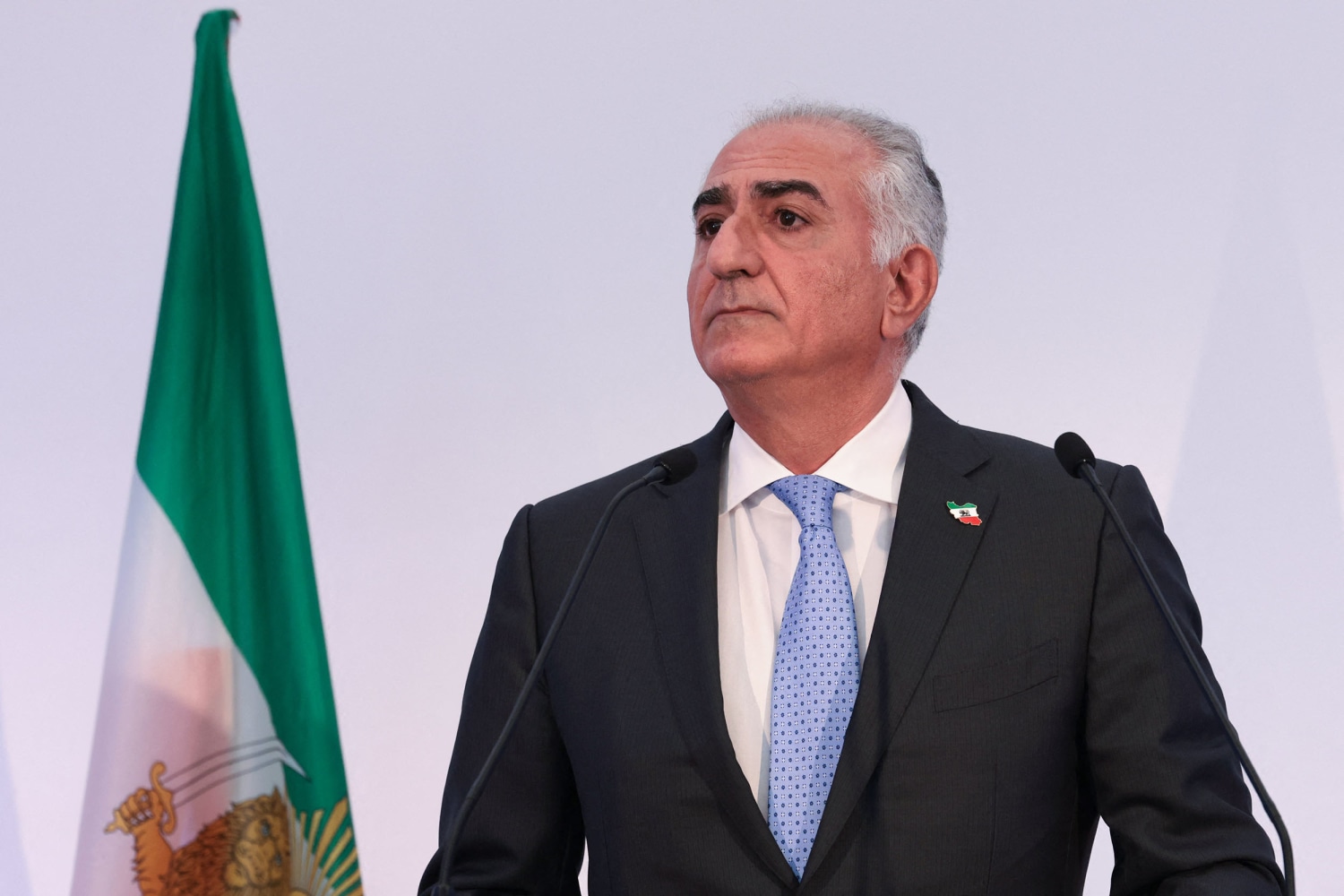
The Pahlavi family carries enormous symbolic weight in Iran, but also enormous symbolic baggage. The Shah’s regime, which Khomeini’s revolution overthrew in 1979, was characterized by authoritarian rule, a feared secret police (SAVAK), and deep inequality. Many Iranians who despise the Islamic Republic have not forgotten or forgiven the Shah’s excesses. Reza Pahlavi himself has spent decades carefully positioning himself not as a restoration monarchist but as a secular democratic leader — distancing himself from the trappings of monarchy while leveraging the Pahlavi name’s residual prestige.
Whether Iranians inside the country share the enthusiasm of the diaspora community for the Pahlavi brand is deeply uncertain. Polling inside Iran is essentially impossible to conduct reliably. What is clear is that the January 2026 crackdown created a generation of Iranians whose hatred of the Islamic Republic is now absolute and visceral — and who may be willing to accept almost any alternative that ends the current system’s monopoly on violence.
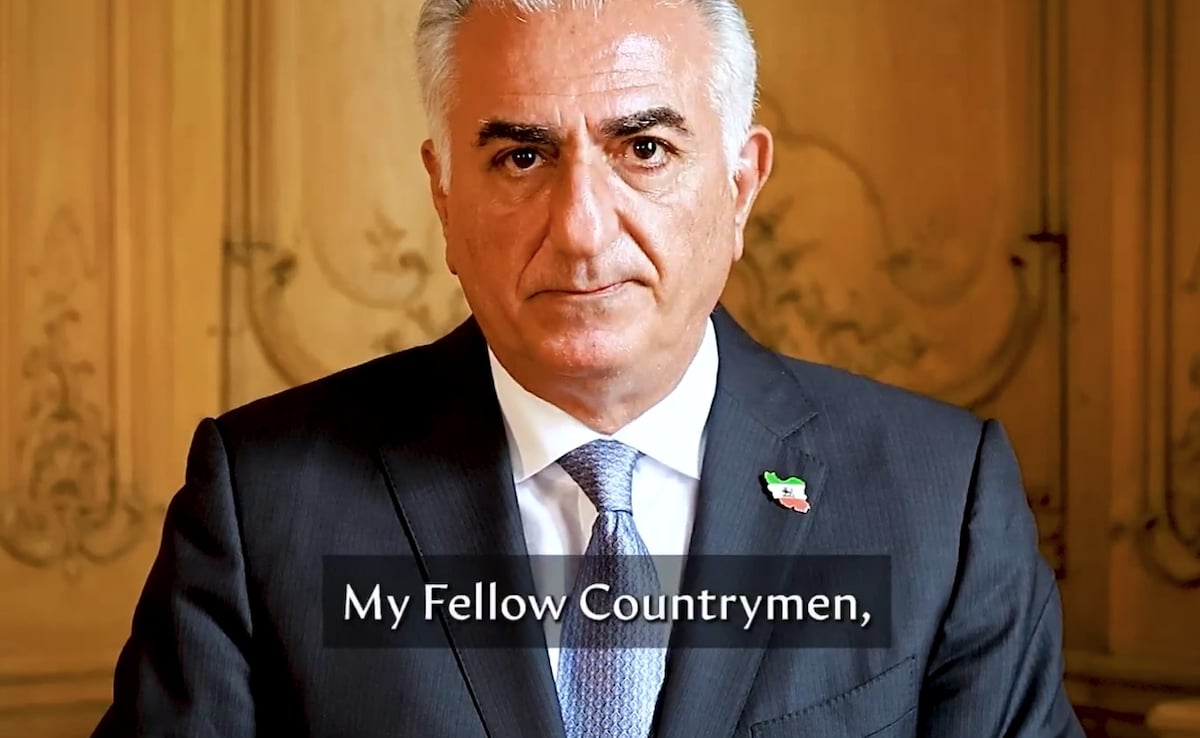
The geopolitical context makes Pahlavi’s emergence particularly significant. U.S. policy under the current administration has consistently advocated for regime change as the ultimate solution to the Iranian problem, rather than mere nuclear containment. The explicit framing of Operation Epic Fury as a liberation rather than a punishment — Trump’s invitation to Iranians to “take over your government” — suggests that Washington is not merely destroying Iran’s military capacity but attempting to engineer a specific political outcome.
Whether that outcome includes or excludes the Pahlavi family will likely depend on what emerges in the coming weeks. A fractured IRGC, a traumatized population, and competing exile factions all vying for legitimacy create a volatile political marketplace. Pahlavi has the name recognition and Western media access. He lacks, thus far, demonstrated organizational capacity inside Iran itself — the ability to mobilize street-level political action in a country where any organizing activity has been met with lethal force.

History’s judgment on externally engineered regime changes, from Iraq to Libya, is merciless. But history’s judgment on the Islamic Republic — which in January 2026 killed tens of thousands of its own citizens protesting peacefully — is equally damning. The question is not whether Iran deserves better governance. It unquestionably does. The question is whether a Pahlavi restoration, backed by American firepower and Israeli intelligence, would actually deliver it — or merely exchange one form of authoritarian governance for another, while ensuring Iran’s permanent alignment with Washington’s strategic interests.