HOW MUCH OF IRAN’S NUCLEAR PROGRAM SURVIVED OPERATION EPIC FURY?

The stated rationale for Operation Epic Fury was, at its core, nuclear: preventing the Islamic Republic of Iran from developing or deploying a nuclear weapon. Yet within hours of the strikes, a critical question was already circulating among weapons analysts, former IAEA inspectors, and military planners who have studied Iran’s nuclear infrastructure for decades: Did the bombing actually work?
The Center for Strategic and International Studies (CSIS), one of Washington’s premier defense think tanks, published an initial assessment noting that while Operation Epic Fury targeted Iran’s nuclear-related facilities, the full extent of damage to the program remains deeply uncertain. Iran’s nuclear infrastructure is not concentrated in a single location that can be destroyed in one decisive blow. Over decades of development — and years of anticipating exactly this kind of strike — Tehran has deliberately dispersed, hardened, and in some cases buried its most critical nuclear assets deep underground.

The Fordow enrichment facility, carved into a mountain near Qom to withstand conventional aerial bombardment, is the site that most haunts U.S. and Israeli military planners. Previous assessments, including a widely cited 2025 CSIS analysis, concluded that only the United States’ most advanced bunker-busting munitions — the GBU-57 Massive Ordnance Penetrator — had a realistic chance of destroying Fordow’s underground centrifuge halls. Whether these weapons were deployed in the February 28 strikes, and whether they successfully penetrated to the centrifuge level, is information the Pentagon has not yet made public.
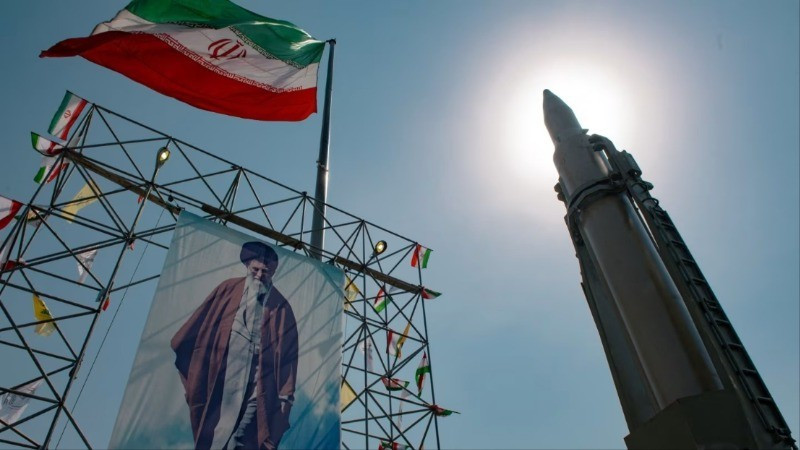
There is also the question of dispersed material and intellectual capital. Physical facilities can be destroyed. Uranium hexafluoride stockpiles, enriched to weapons-grade levels, can be relocated before a strike. The knowledge embedded in Iran’s cadre of nuclear scientists — many of whom Israel has targeted individually for assassination over the years — cannot be bombed away. And crucially, the fundamental physics of uranium enrichment does not change because the building housing the centrifuges has been destroyed.
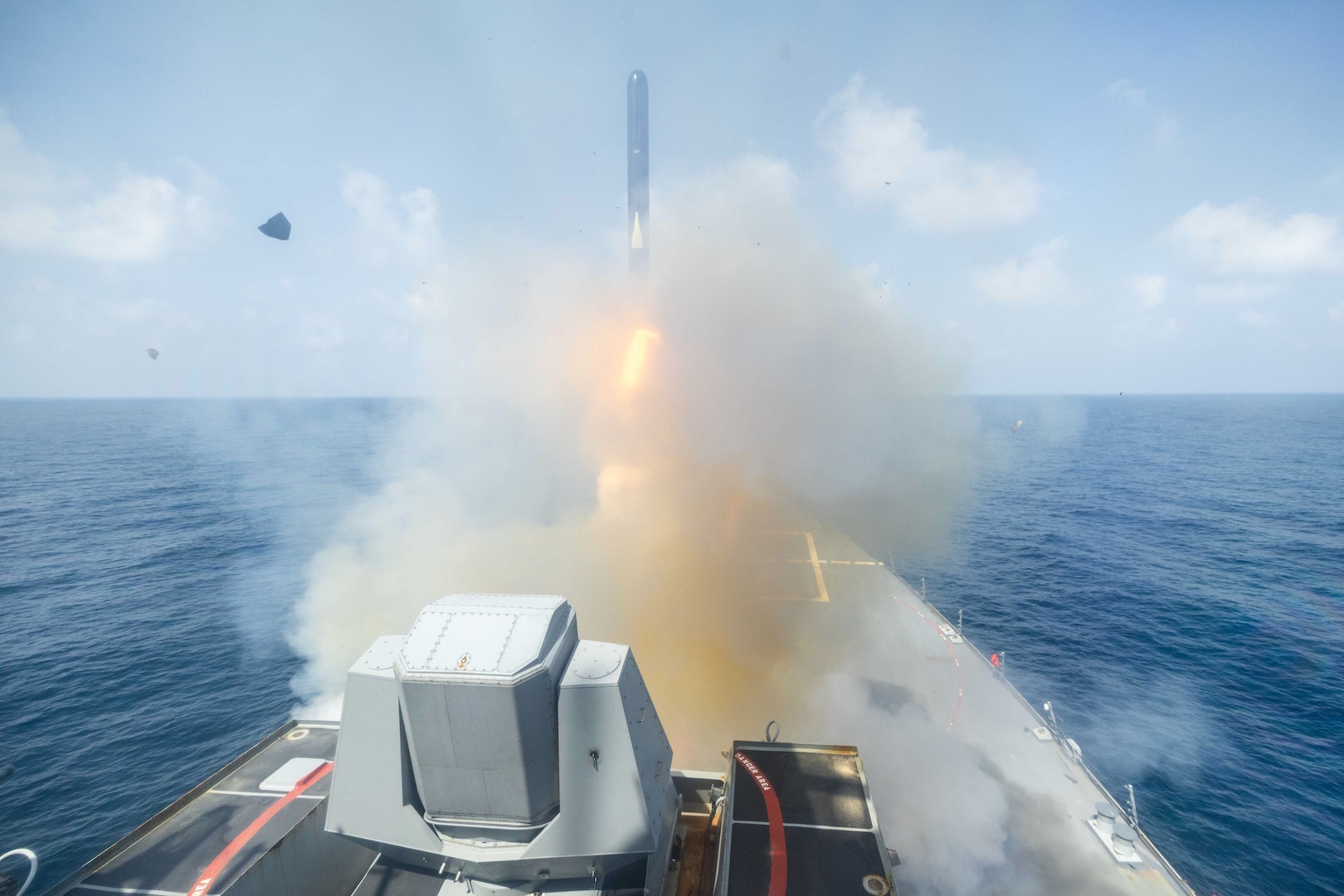
Iran’s nuclear program, according to IAEA assessments from late 2025, had advanced to a point where the country possessed sufficient enriched uranium to potentially construct a rudimentary nuclear device within weeks, if political authorization were given. Whether Operation Epic Fury has reset that clock by years, months, or merely weeks is the question on which the entire strategic justification for the war ultimately rests.
There is a darker scenario that few officials will voice publicly: that the strikes have not destroyed Iran’s nuclear capability but merely driven it further underground — literally and figuratively. A surviving Iranian government, humiliated by the killing of its Supreme Leader and the bombardment of its territory, may conclude that the only credible deterrent against future American military action is precisely the nuclear capability the Americans went to war to prevent. It is the ultimate strategic irony: a war fought to eliminate Iran’s nuclear program may accelerate the determination of any successor Iranian government to acquire exactly that.