AIR DEFENSE CATASTROPHE — How Iran’s Russian and Chinese Systems Failed to Stop a Single Missile
In the days and months leading up to Operation Epic Fury, one of the most-cited deterrents against a U.S.-Israeli strike was Iran’s air defense network — a layered system incorporating Russian S-300 and S-400 batteries and Chinese HQ-9 systems, supplemented by domestically produced Bavar-373 platforms. Tehran had invested billions of dollars and decades of effort in building a defensive architecture specifically designed to counter exactly the kind of aerial assault that the U.S. and Israel ultimately launched. On the morning of February 28, 2026, that architecture failed completely. Iran’s air defenses, according to multiple reports, did not intercept a single incoming U.S. or Israeli missile.
The scale of this failure is difficult to overstate. Not a partial failure, not a degraded-but-functional response — a complete collapse of Iran’s integrated air defense system against the opening U.S.-Israeli salvo. The Israeli Air Force deployed approximately 200 fighter jets in its “Operation Genesis” component of the combined strike, executing what it described as the largest combat sortie in Israeli military history. American forces contributed munitions from aircraft carriers, land-based aircraft, submarines, and — in a historic first — Task Force Scorpion Strike’s deployment of “low-cost one-way attack drones” in a combat operation. The combined weight of this assault overwhelmed Iran’s defenses at every level simultaneously.
The failure of Russia’s S-300 and S-400 systems in Iranian service carries implications that extend far beyond the Iran conflict. These platforms are deployed by numerous countries as frontline air defense systems, and Russia uses them as flagship export products — a central pillar of its defense industry’s international credibility. The complete inability of these systems to intercept U.S. and Israeli munitions in combat conditions is a devastating real-world advertisement of their limitations. Military procurement officials in Ankara, New Delhi, Riyadh, and a dozen other capitals are now revising their assessments of Russian air defense technology’s actual combat effectiveness.
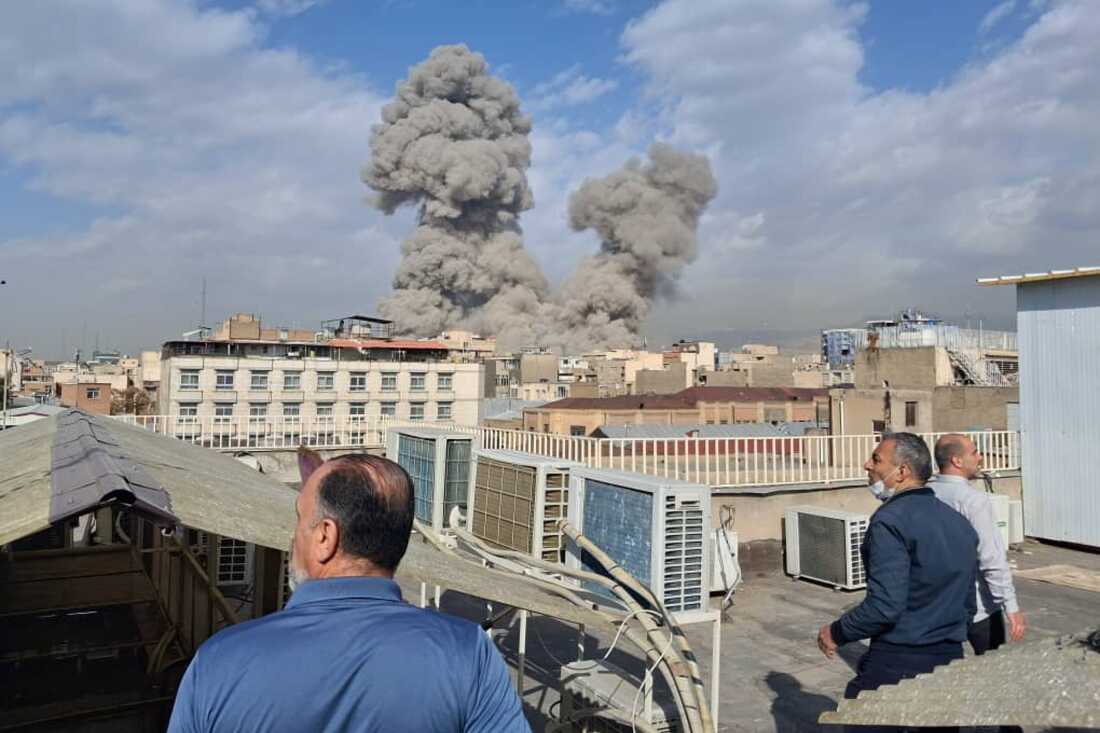
China’s HQ-9 systems face similar scrutiny. Beijing has marketed its advanced air defense technology aggressively across the developing world as a credible alternative to Western Patriot systems. The Minab strike, the strike on Khamenei’s office, and the 500 targets successfully struck across western and central Iran collectively constitute an embarrassing real-world test of Chinese-supplied defense technology — and the technology failed.
Several technical explanations are being advanced by defense analysts. The most compelling is the concept of “suppression of enemy air defenses” (SEAD) — a specialized form of aerial warfare in which dedicated aircraft and munitions specifically target radar systems and missile batteries before and during the main strike package’s arrival. If the U.S.-Israeli coalition effectively blinded Iran’s radar networks in the opening seconds of the assault, subsequent strike packages would face minimal coordinated opposition regardless of the quality of the ground-based systems.
The deployment of low-cost one-way attack drones in Task Force Scorpion Strike introduces another dimension. These platforms — essentially expendable precision-guided munitions — can be deployed in swarms large enough to exhaust defensive interceptor magazines before higher-value manned aircraft or cruise missiles arrive. An air defense battery with 12 interceptor missiles that expends them all on a drone swarm is helpless against the cruise missiles that follow thirty seconds later.
Iran’s air defense failure is, in the immediate term, a military catastrophe for Tehran and a triumph for U.S.-Israeli operational planning. In the medium term, it is a warning to every nation in the world that believes expensive Russian or Chinese hardware constitutes meaningful protection against sustained American air power. The advertisement for Western defense technology just wrote itself in smoke over Tehran.