KHAMENEI: DEAD OR ALIVE? — The Intelligence Fog Surrounding History’s Most Consequential Question
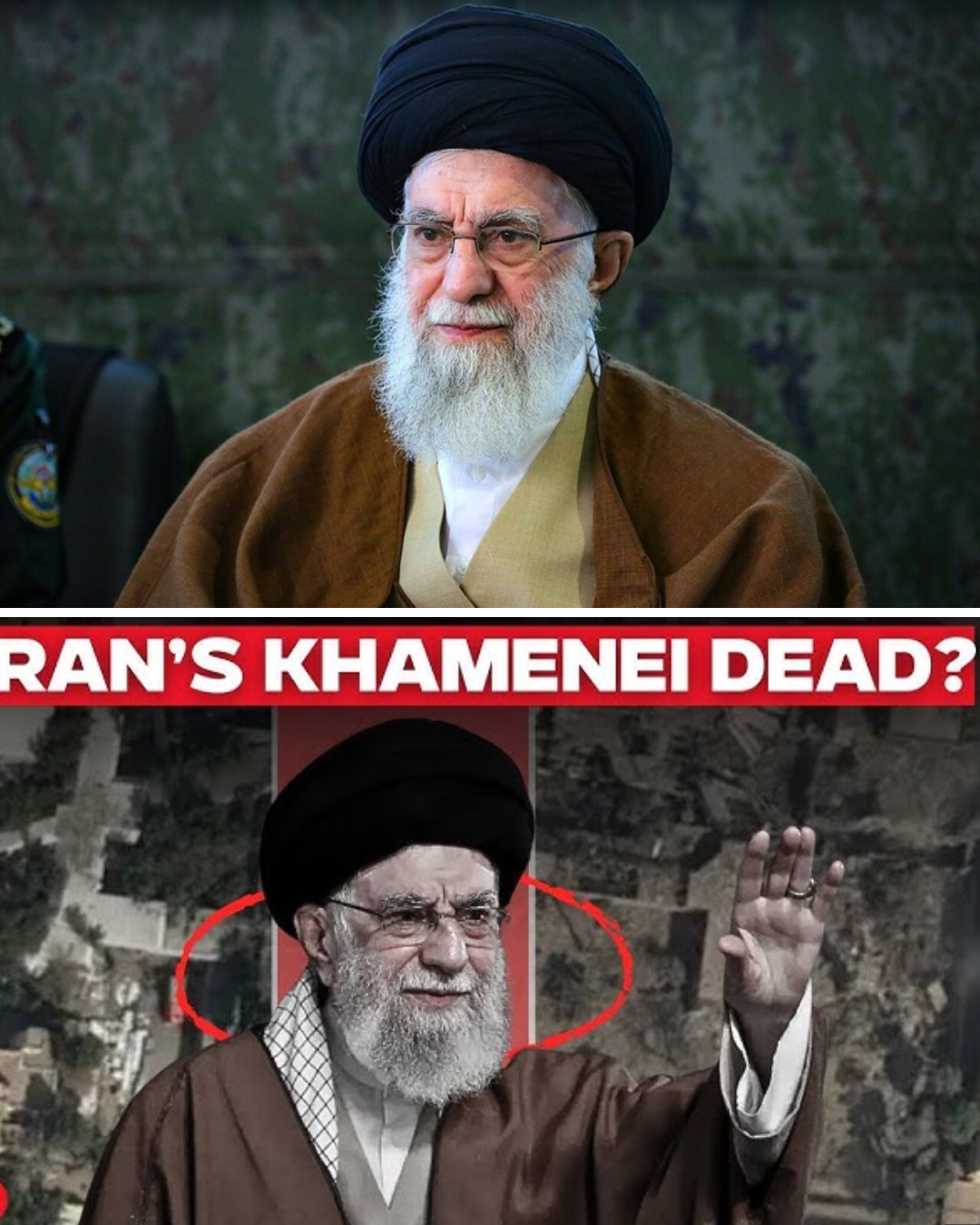
Forty-eight hours after the opening salvos of Operation Epic Fury, the most consequential factual question in the world remains unanswered with certainty: Is Ayatollah Ali Khamenei actually dead? The confusion surrounding his fate is not merely journalistic — it reflects a genuine intelligence puzzle with profound implications for the conflict’s trajectory and for the future governance of 90 million Iranians.

The picture is contradictory in ways that resist easy resolution. On one side: Reuters cited an unnamed Israeli official stating that Khamenei’s body had been found and his death confirmed. Axios and CNN both reported U.S. and Israeli officials confirming Khamenei was killed in the strikes. Channel 12 in Israel cited sources describing “growing indications” of Khamenei’s death, or at minimum serious injury. Trump himself stated on Truth Social that Khamenei was dead.
On the other side: Iranian state media, while reporting the strikes extensively, has not explicitly confirmed the Supreme Leader’s death. Perhaps most intriguingly, a report from TMV, citing different sources, stated that both Khamenei and President Masoud Pezeshkian “survived, reportedly moved to secure locations.” The possibility that the strikes hit Khamenei’s office but not Khamenei himself — that the 86-year-old Supreme Leader had already been relocated before the bombs fell — cannot be dismissed.

The intelligence fog is compounded by Iran’s near-total internet blackout, which has collapsed the communication channels through which independent verification would normally occur. Without reliable communications infrastructure and without independent journalists on the ground in Tehran, claims about Khamenei’s status cannot be independently verified by open-source methods. This information vacuum is itself strategically significant — it creates space for both sides to assert the narrative most useful to their immediate objectives.
For the United States and Israel, confirming Khamenei’s death serves clear purposes: it demoralizes IRGC resistance, legitimizes the operation to domestic audiences, creates conditions for an Iranian power vacuum that might accelerate regime change, and vindicates the targeting rationale for the strikes on Khamenei’s office complex. If Khamenei is confirmed dead, the political and psychological impact on Iran’s governing apparatus is potentially decisive.
For the Iranian government, keeping the question open serves equally clear purposes: an unconfirmed death is a propaganda opportunity — the “martyred leader” whose fate is unknown rallies resistance; a confirmed but contested death prevents the orderly succession process that Iran needs to maintain command and control; and the image of a potentially living Supreme Leader preserves some residual deterrent authority over IRGC commanders weighing their options.
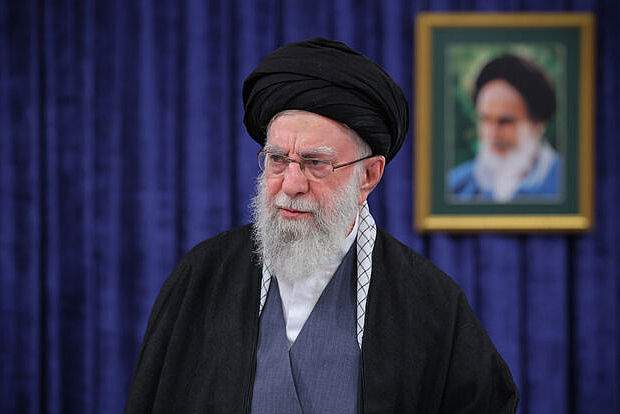
History offers a cautionary note on hasty death confirmations in fog-of-war conditions. During the 1991 Gulf War, multiple Iraqi commanders were “confirmed” killed only to appear later. In Syria, reports of Bashar al-Assad’s death circulated periodically throughout the civil war. The intelligence community’s track record on real-time confirmation of high-value target deaths in contested environments is, to put it charitably, mixed.
What is not in doubt is that the strikes hit the office of the Supreme Leader and the presidential office of Masoud Pezeshkian in Tehran. Whether the men who occupied those offices survived depends on pre-strike intelligence that may have been either brilliantly accurate or fatally incomplete. The world is waiting for an answer that, in the chaos of war-torn Tehran with no internet, may not come for days.