THE BACKSTORY — The June 2025 Strikes That Made February 2026 Inevitable
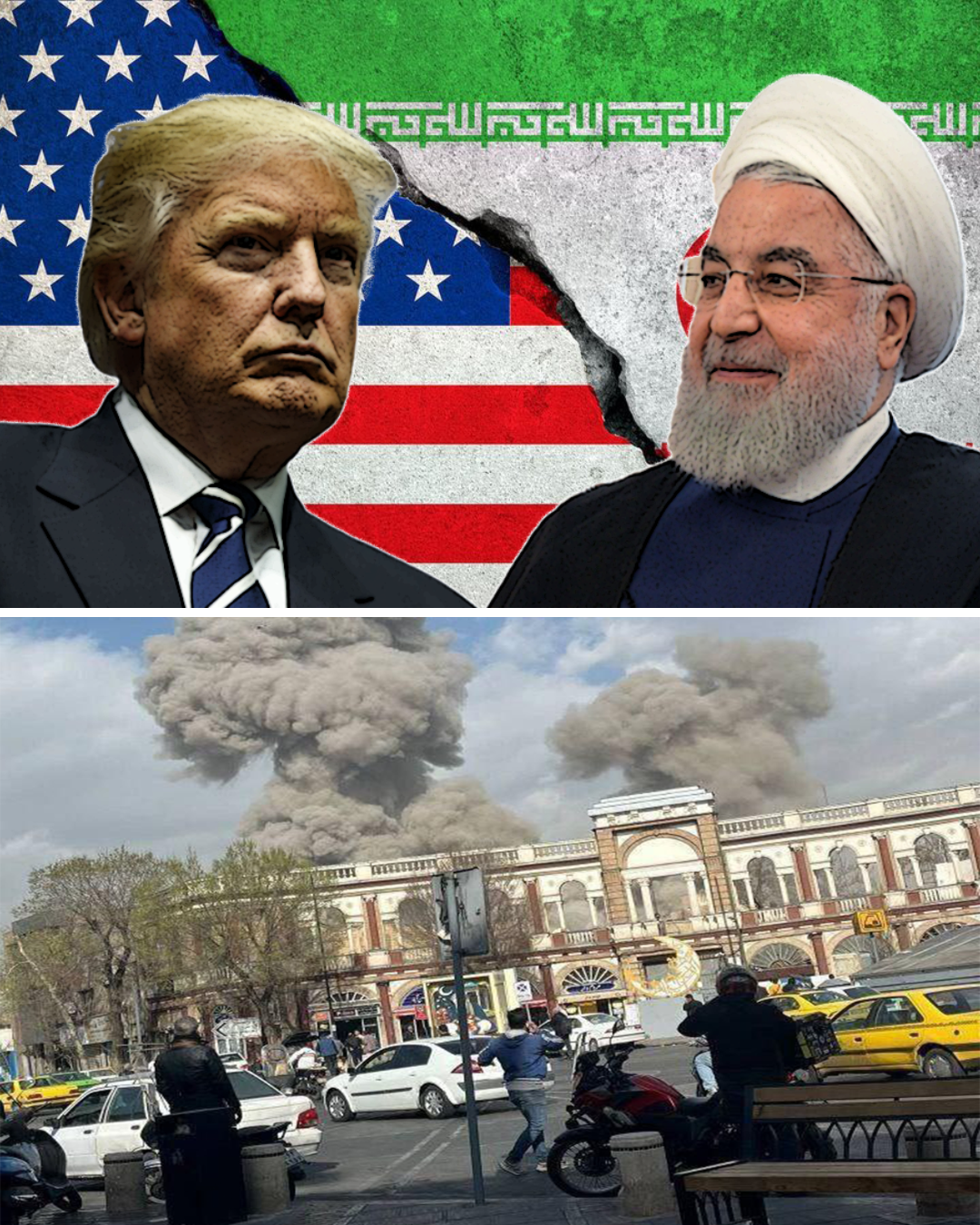
To understand Operation Epic Fury, you must understand what came before it. The February 28 strikes were not the beginning of the U.S.-Iran military confrontation — they were the second act of a campaign that began in June 2025, when the United States first struck Iran’s nuclear facilities directly. That earlier operation, largely overshadowed by subsequent events, set in motion the chain of strategic failures and diplomatic collapses that made the February 2026 war, in retrospect, feel almost predetermined.

In June 2025, U.S. forces struck three core Iranian nuclear sites: Natanz, Fordow, and Isfahan. The stated objective was to destroy Iran’s nuclear enrichment capability and force Tehran back to the negotiating table from a position of strategic weakness. The IAEA Director-General Rafael Grossi confirmed afterward that the centrifuges at Fordow were “no longer operational” and acknowledged “no escaping significant physical damage.” U.S. Joint Chiefs Chairman General Dan Caine expressed confidence that the strike was successful, noting the Pentagon had been planning to destroy Fordow for more than a decade.
The problem was that the operation succeeded tactically but failed strategically. An early U.S. intelligence assessment, reported exclusively by CNN, concluded that the June 2025 strikes “did not destroy the core components of Iran’s nuclear program and likely only set it back by months.” An Israeli evaluation similarly found that damage at Fordow was “less extensive than anticipated.” The most optimistic assessment — from Israeli officials — was that the strikes had delayed Iran’s nuclear program by approximately two years, “provided they can reconstruct it without hindrance, which Israel would obstruct.”
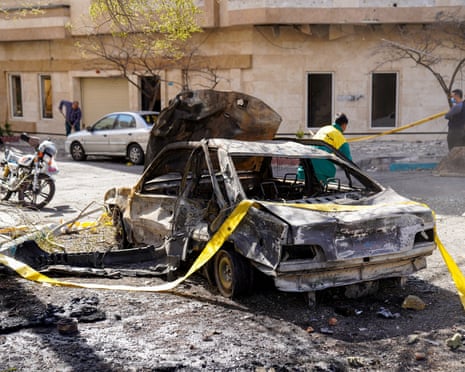
In other words: a massive military operation, involving the deployment of the most advanced bunker-busting munitions in the U.S. arsenal, produced a delay of months to two years — and Iran’s government emerged from the rubble politically defiant. Rather than returning to negotiations from a position of weakness, Tehran interpreted the strikes as confirmation of American hostility, doubled down on its nuclear program’s reconstruction, and unleashed violent repression against domestic protesters who dared to challenge the regime in January 2026.
The June 2025 strikes thus produced the opposite of their intended strategic effect. Instead of moderating Iranian behavior, they radicalized it. Instead of creating conditions for a diplomatic resolution, they eliminated whatever residual Iranian confidence in American good faith existed. By the time the Geneva talks convened in late February 2026, Iran came to the table having already absorbed one U.S. military strike and concluded that Washington’s ultimate objective was not a nuclear deal but regime change. Negotiating in good faith from that premise was structurally impossible.

The February 28 Operation Epic Fury must therefore be understood as the culmination of a strategic spiral that the June 2025 strikes initiated. Each American escalation produced Iranian hardening rather than Iranian concession. Each diplomatic initiative was undermined by the unresolved question of whether Washington would ultimately accept Iranian sovereignty or insist on Iranian capitulation. The war that is now underway is not the product of a single decision made on February 27, 2026. It is the product of a policy trajectory that, in retrospect, had been heading toward this outcome for the better part of a year.
Those who designed the June 2025 strikes believed they were buying time and diplomatic leverage. The February 2026 war suggests they were buying neither — only the next escalation.