Iran hotspot: US adopts a dual-strategy approach, Israel signals strong determination, Tehran reassesses its position, and regional tensions continue to intensify.
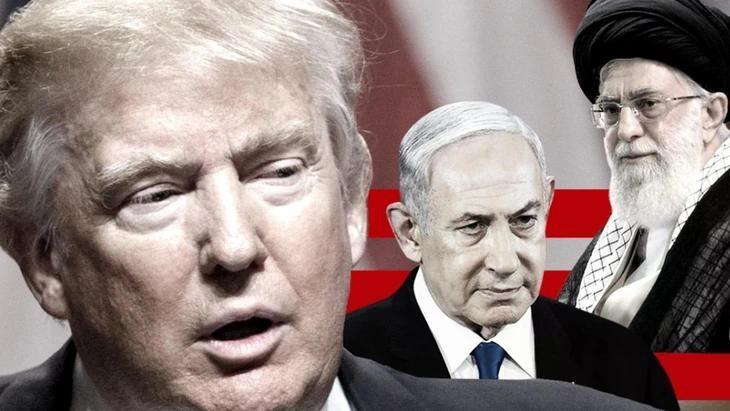
On February 28, tensions escalated significantly between the United States, Israel, and Iran, with coordinated military actions reported across several Iranian cities. In response, Tehran announced countermeasures affecting US and Israeli interests in the broader region.
Observers are now questioning whether this latest escalation could expand into a wider regional crisis.
The United States and Israel confirmed a coordinated operation targeting military-related infrastructure in multiple locations, including Tehran, Isfahan, Qom, Karaj, and Kermanshah. Officials described the action as preventive in nature, aimed at addressing perceived security threats and limiting missile capabilities.
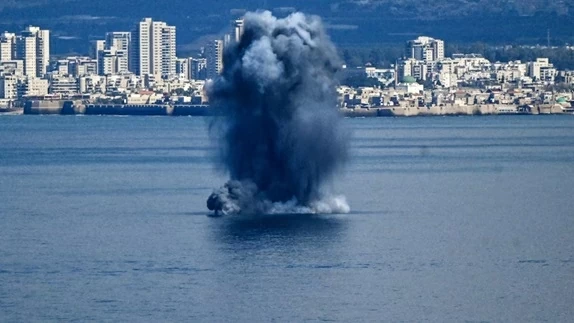
Statements from US and Israeli leaders indicated that the operation may not be limited to a single day, raising concerns among analysts about a prolonged period of instability.
Unlike previous operations that focused primarily on nuclear facilities, this phase reportedly targeted broader security infrastructure, including missile systems, command structures, and strategic facilities.
Reports also emerged of civilian casualties in Minab, including at a school, further intensifying international concern and humanitarian alarm.
Public messaging from leaders on both sides suggested that long-term regional stability and political outcomes are at stake, though specific objectives and timelines remain unclear.
Expanding Regional Impact
Iran responded within hours, announcing actions affecting Gulf countries, including the United Arab Emirates, Bahrain, Qatar, and Kuwait. The developments raised concerns about regional security and potential economic disruption.
One key concern among analysts is the Strait of Hormuz — a vital global energy shipping route. Any disruption there could impact global oil and gas markets, potentially affecting fuel prices worldwide.
Meanwhile, regional armed groups aligned with Iran signaled renewed activity in the Red Sea, increasing fears of broader supply-chain and maritime security challenges.
In anticipation of escalation, US and Israeli forces reportedly targeted naval-related infrastructure believed capable of affecting maritime operations.
While some assets may have been damaged, analysts note that Iran maintains asymmetric capabilities that could allow for continued disruption even without direct control of major sea lanes.
Short-Term Outlook
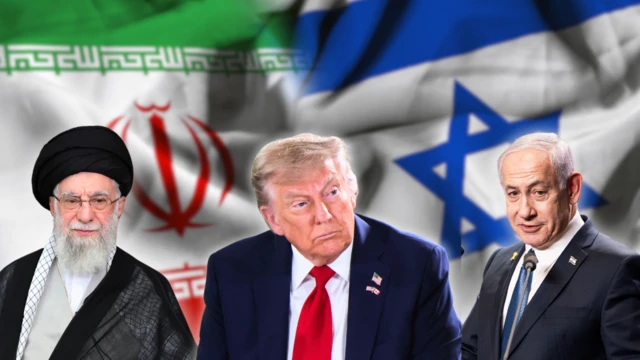
Iran’s apparent objective appears to be limiting the duration of the campaign while demonstrating its capacity to respond. US officials previously indicated that preparations had been made for operations lasting several days or longer.
The key factor now is whether Iran retains sufficient capability to sustain counter-actions in the region. If its operational capacity declines significantly, the United States and Israel may gain strategic leverage. However, if Iran continues to demonstrate resilience, pressure could mount for de-escalation.
At present, the situation remains fluid. Diplomatic channels, economic implications, and regional stability will likely shape developments in the coming days.